

Ready & Packaged Foods
All →Vegetables & Legumes
All →Desserts & Confectionery
All →Meat & Protein
All →Grains & Bakery
All →Beverages
All →Milk & Dairy
All →

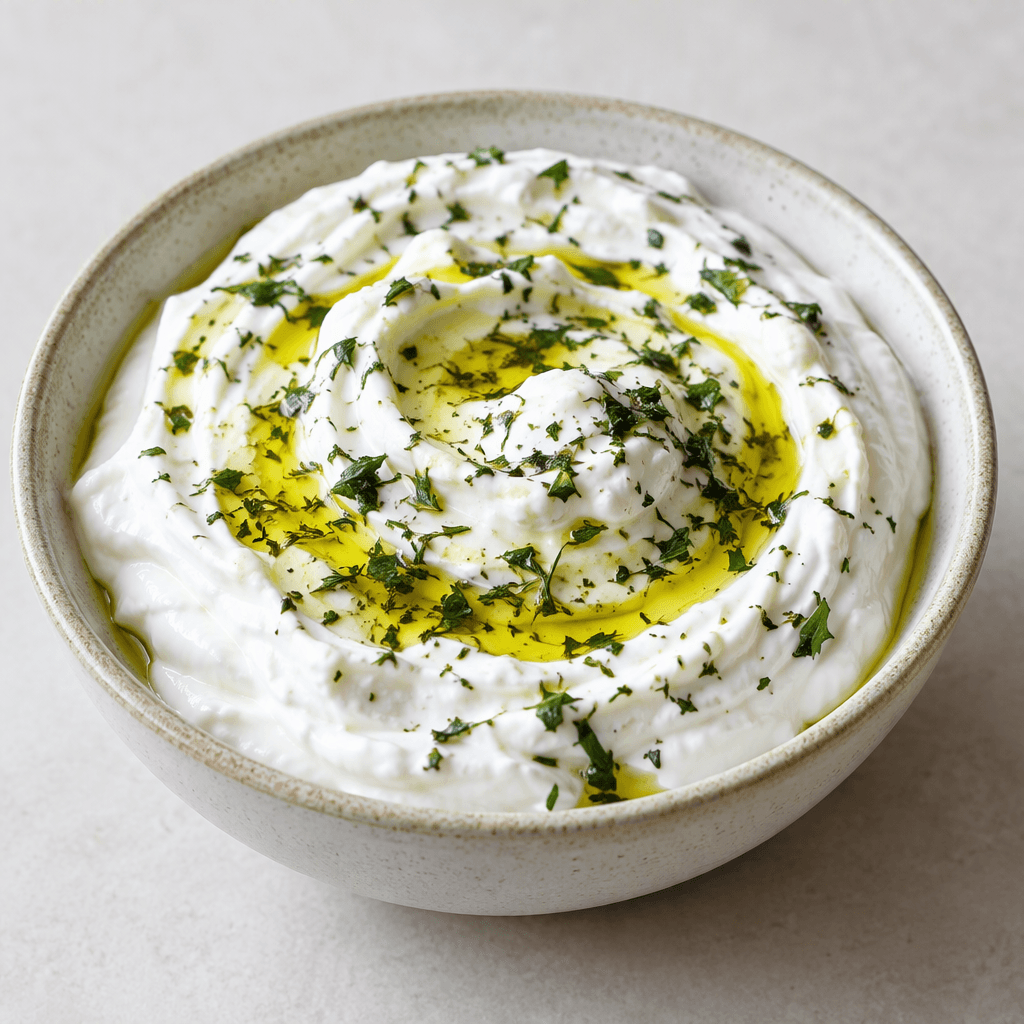
Labneh Calories
Creamy cheese made from strained yogurt, rich in protein and calcium
In season: Spring · Summer · Autumn · Winter
CALORIES
GI
POTASSIUM
FIBER
Quick answer
2 tablespoon (medium) of Labneh (40 g) has 88 calories. That works out to 220 calories per 100 g. It contains 2 g of carbs, 3.4 g of protein, 6.8 g of fat and 0 g of fiber. Its 0.1 mg of B2 covers 11% of the Daily Value. Its glycemic index is 15 (low), so it raises blood sugar slowly.
What is Labneh?
Labneh is a thick, creamy dairy food made by straining yogurt, with a gentle tang and a spreadable texture. It is especially associated with the Levant, where it is commonly served at breakfast or as part of a mezze spread. A drizzle of olive oil and herbs is a familiar topping; it also works on bread, in sandwiches, or as a dip with vegetables.
It provides protein and calcium, while its richness comes in part from its fat content. For a lighter meal, serve a modest spoonful with fresh vegetables or use it in place of a richer spread. Its mild flavour also pairs well with olives, herbs and warm flatbread.
Labneh Nutrition Facts
Selected: 100 g
220
KCAL / 100G
Carbs
5g
· 2% DV
Protein
8.5g
· 17% DV
Fat
17g
· 22% DV
Fiber
0g
· 0% DV
DV is the share of the daily value covered, on a 2,000 kcal reference diet.
Calories come from: Carbs 10% · Protein 16% · Fat 74%
Labneh Vitamins & Minerals
Vitamins
B2
0.35mg · 27% DV
B12
0.5µg · 21% DV
Vitamin A
120µg · 13% DV
B5
0.5mg · 10% DV
Minerals
Sodium
350mg · 15% DV
Phosphorus
95mg · 14% DV
Calcium
120mg · 12% DV
Iodine
15µg · 10% DV
How Nutritious Is Labneh?
Nutrient density
High
How many vitamins, minerals and how much fiber this food carries per calorie. A high score means a lot of nutrition for few calories.
Satiety score
Low
An EatBetter score computed from fiber, protein and calorie density. A high score means staying full longer on the same calories.
Both scores are calculated per 100 g and do not change with the selected portion. The satiety score is EatBetter's own calculation, not a clinical measure.
Labneh Glycemic Index
GLYCEMIC INDEX
GLYCEMIC LOAD
Accounts for portion size — a more realistic measure than GI alone.
How to Burn Off Labneh
To burn the 220 calories in 100 g:
🚶
Walking (5 km/h)
🏃
Running (8 km/h)
🚴
Cycling
🏊
Swimming
Times are calculated with the MET equation for a 70 kg adult. Actual burn varies with your weight, age and pace.
Is Labneh Processed?
NOVA 2
Minimally Processed
1. Unprocessed
2. Minimally Processed
3. Processed
4. Ultra-Processed
NOVA classifies foods into 4 groups by industrial processing. NOVA 1 (unprocessed) is the healthiest.
Does Labneh Contain Allergens?
Contains these allergens:
Which Diets Is Labneh Good For?
Vegan
— Not suitable
Vegetarian
✓ Suitable
Gluten-Free
— Not suitable
Dairy-Free
— Not suitable
Mediterranean
✓ Suitable
Paleo
— Not suitable
Whole30
— Not suitable
DASH
— Not suitable
Keto
— Not suitable
Low FODMAP
— Not suitable
Labneh Fat Profile
SATURATED
10.5g
MONOUNSATURATED
4.2g
POLYUNSATURATED
0.3g
Omega 6:3 ratio 3:1
Below the ideal 4:1 — a good omega balance.
Compare Labneh
Foods Similar to Labneh
Frequently Asked Questions About Labneh
What is labneh made from?
Labneh is made by straining yogurt until much of its liquid whey drains away, leaving a thick, tangy spread. It is common in Middle Eastern and Mediterranean cuisines and is often finished with olive oil or herbs.
How do you eat labneh?
Labneh is often eaten as a dip or spread, with pita or flatbread, olive oil, and herbs such as za’atar or mint. You can also serve it with vegetables, or spoon it alongside grilled meat and other savory dishes.
Is labneh the same as Greek yogurt?
No. Both are strained yogurt products, but labneh is usually strained further until it becomes thick enough to spread, while Greek yogurt generally stays spoonable. Their texture and intended uses are therefore different.
Can labneh replace cream cheese?
Yes, labneh can replace cream cheese in many spreads, dips, and some recipes. It usually tastes tangier and may contain more moisture, so it can change the texture of frostings or baked goods.
How do you make labneh at home?
To make labneh, stir a little salt into plain yogurt if desired, then let it drain in a clean cheesecloth-lined strainer in the refrigerator. The longer it drains, the thicker the finished spread will be.
How should labneh be stored after opening?
Keep opened labneh covered in the refrigerator and follow the package’s use-by and storage directions. Use a clean utensil each time, and discard it if you notice mold, an unusual smell, or a marked change in appearance.
Can you freeze labneh?
Yes, labneh can be frozen, but thawing may make it watery or grainy. It is usually better to use thawed labneh in cooked dishes, sauces, or soups than as a fresh spread.
Can labneh be heated in cooking?
Yes, you can add labneh to cooked dishes, but prolonged boiling may cause it to separate or turn grainy. Stir it in near the end of cooking, ideally after lowering the heat, for a smoother result.
Is labneh lactose-free?
No, labneh should not be assumed to be lactose-free. Straining yogurt can remove some lactose with the whey, but the amount varies and ordinary labneh may still cause symptoms in people with lactose intolerance.
What toppings go well with labneh?
Olive oil, za’atar, fresh herbs, and sliced olives are classic savory toppings for labneh. For a different flavor, try chopped cucumber or roasted vegetables; add toppings just before serving to keep the surface fresh.
Have another question about Labneh?
Ask the AI nutrition coach — calories, portions, alternatives and more, answered in seconds in the app.

Scan calories with your camera
Instant AI nutrition analysis

Nutrition data compiled from USDA FoodData Central and scientific sources.