

Ready & Packaged Foods
All →Vegetables & Legumes
All →Desserts & Confectionery
All →Meat & Protein
All →Grains & Bakery
All →Beverages
All →Milk & Dairy
All →

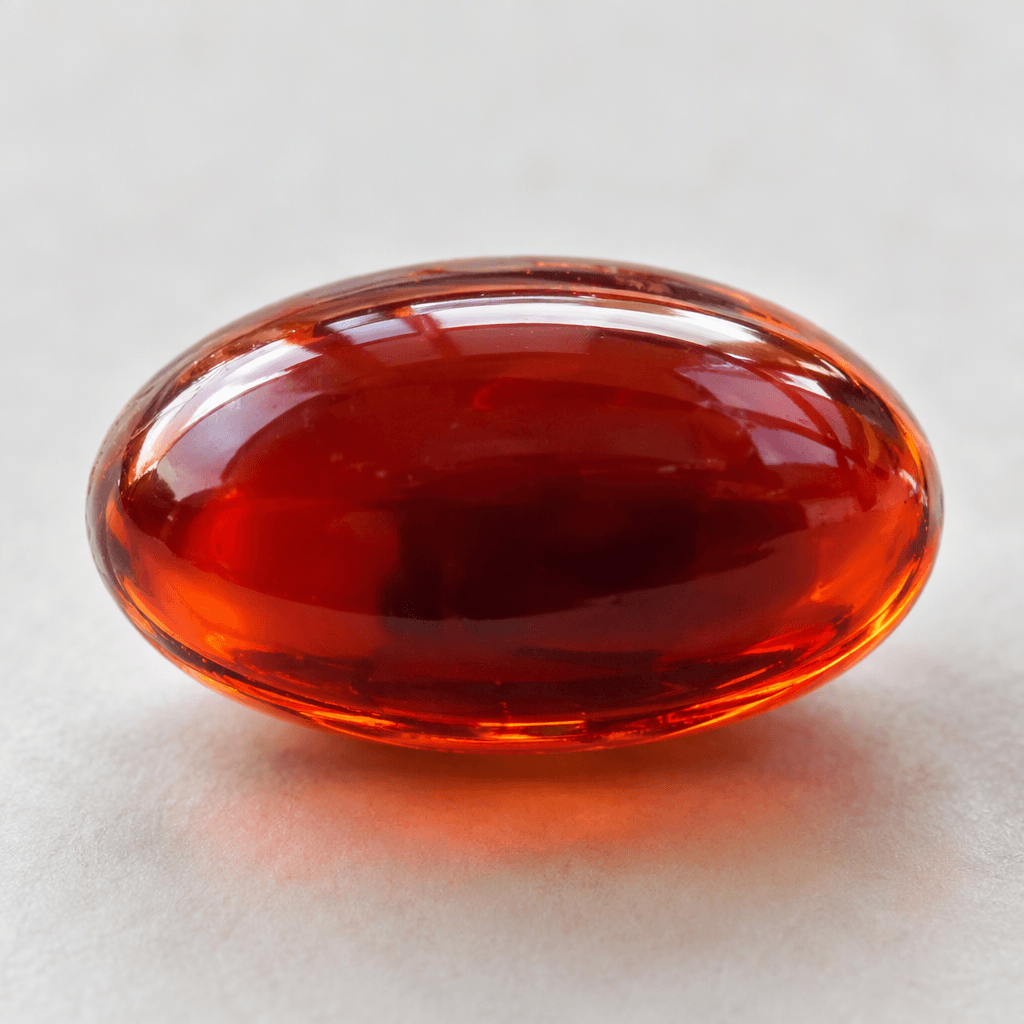
Krill oil capsule Calories
Omega-3 source, antioxidant, heart health
CALORIES
GI
POTASSIUM
FIBER
Quick answer
1 piece (small) of Krill oil capsule (1 g) has 9 calories. That works out to 900 calories per 100 g. It contains 0 g of carbs, 0 g of protein, 1 g of fat and 0 g of fiber. Its glycemic index is 0 (low), so it raises blood sugar slowly.
What is Krill oil capsule?
A krill oil capsule contains oil extracted from krill, tiny marine crustaceans, enclosed in a softgel. It is sold as a dietary supplement rather than used as a cooking oil or everyday ingredient, and is often chosen as a source of omega-3 fats.
The capsule is usually swallowed with water, often alongside a meal; this can make any lingering seafood flavour less noticeable. Its contents are essentially fat, with no protein or carbohydrate, so it is energy-dense despite the small serving. Follow the directions on the product label, and consider taking it with a meal if that fits your routine.
Krill oil capsule Nutrition Facts
Selected: 100 g
900
KCAL / 100G
Carbs
0g
· 0% DV
Protein
0g
· 0% DV
Fat
100g
· 128% DV
Fiber
0g
· 0% DV
DV is the share of the daily value covered, on a 2,000 kcal reference diet.
Calories come from: Carbs 0% · Protein 0% · Fat 100%
Krill oil capsule Vitamins & Minerals
Vitamins
Vitamin E
4mg · 27% DV
B12
0.1µg · 4% DV
Vitamin D
0.1µg · 1% DV
Vitamin A
0.02mg · 0% DV
Minerals
Calcium
1mg · 0% DV
Iron
0mg · 0% DV
Magnesium
1mg · 0% DV
Zinc
0mg · 0% DV
How Nutritious Is Krill oil capsule?
Nutrient density
High
How many vitamins, minerals and how much fiber this food carries per calorie. A high score means a lot of nutrition for few calories.
Satiety score
Low
An EatBetter score computed from fiber, protein and calorie density. A high score means staying full longer on the same calories.
Both scores are calculated per 100 g and do not change with the selected portion. The satiety score is EatBetter's own calculation, not a clinical measure.
Krill oil capsule Glycemic Index
GLYCEMIC INDEX
GLYCEMIC LOAD
Accounts for portion size — a more realistic measure than GI alone.
How to Burn Off Krill oil capsule
To burn the 900 calories in 100 g:
🚶
Walking (5 km/h)
🏃
Running (8 km/h)
🚴
Cycling
🏊
Swimming
Times are calculated with the MET equation for a 70 kg adult. Actual burn varies with your weight, age and pace.
Is Krill oil capsule Processed?
NOVA 3
Processed
1. Unprocessed
2. Minimally Processed
3. Processed
4. Ultra-Processed
NOVA classifies foods into 4 groups by industrial processing. NOVA 1 (unprocessed) is the healthiest.
Does Krill oil capsule Contain Allergens?
No known major allergens
Which Diets Is Krill oil capsule Good For?
Vegan
— Not suitable
Vegetarian
— Not suitable
Gluten-Free
✓ Suitable
Dairy-Free
— Not suitable
Mediterranean
✓ Suitable
Paleo
✓ Suitable
Whole30
— Not suitable
DASH
— Not suitable
Keto
✓ Suitable
Low FODMAP
— Not suitable
Krill oil capsule Fat Profile
SATURATED
22g
MONOUNSATURATED
44g
POLYUNSATURATED
32g
Omega 6:3 ratio 0.1:1
Below the ideal 4:1 — a good omega balance.
Compare Krill oil capsule
Foods Similar to Krill oil capsule
Frequently Asked Questions About Krill oil capsule
What are krill oil capsules good for?
Krill oil capsules provide omega-3 fatty acids, including EPA and DHA. Krill oil also naturally contains astaxanthin, but taking a capsule is not a proven treatment for a disease or a substitute for prescribed care.
Are krill oil capsules better than fish oil capsules?
Krill oil capsules are not automatically better than fish oil capsules. Krill oil contains omega-3s partly bound to phospholipids and naturally includes astaxanthin, while the EPA and DHA amounts vary by product. Compare the actual amounts on each label.
Should you take krill oil capsules with food?
Yes, taking krill oil capsules with a meal can help reduce stomach upset and fishy burps. Follow the directions on your specific product, since capsule contents and suggested use differ.
Can you take krill oil capsules every day?
Yes, many adults take krill oil capsules daily according to the product directions. Do not exceed the suggested amount, and ask a clinician or pharmacist first if you take medication that affects blood clotting or have a bleeding condition.
What are the side effects of krill oil capsules?
Krill oil capsules can cause mild stomach upset, nausea, diarrhea, or a fishy aftertaste or burps. Stop taking them and seek urgent help for signs of a serious allergic reaction, such as swelling or trouble breathing.
Can you take krill oil capsules with blood thinners?
Ask your healthcare professional before combining krill oil capsules with blood thinners or other medicines that affect clotting. Omega-3 supplements may affect bleeding risk, and your care team should also know if you are planning surgery.
Can people with shellfish allergies take krill oil capsules?
No. People with a shellfish allergy should avoid krill oil capsules because krill are crustaceans, and processing the oil does not guarantee that it is safe for someone with that allergy.
Are krill oil capsules safe during pregnancy?
Check with your healthcare professional before taking krill oil capsules during pregnancy. They can review the specific product and your health needs; people with shellfish allergies should avoid krill oil.
Do krill oil capsules lower cholesterol?
Krill oil capsules are not a substitute for cholesterol treatment. Omega-3s can affect blood triglycerides, but do not stop or change prescribed cholesterol medicine because you are taking krill oil.
How should you store krill oil capsules?
Store krill oil capsules in a cool, dry place away from direct sunlight, with the container tightly closed. Follow the label if it specifies refrigeration, and do not use capsules past their expiration date.
Have another question about Krill oil capsule?
Ask the AI nutrition coach — calories, portions, alternatives and more, answered in seconds in the app.

Scan calories with your camera
Instant AI nutrition analysis

Nutrition data compiled from USDA FoodData Central and scientific sources.