

Ready & Packaged Foods
All →Vegetables & Legumes
All →Desserts & Confectionery
All →Meat & Protein
All →Grains & Bakery
All →Beverages
All →Milk & Dairy
All →

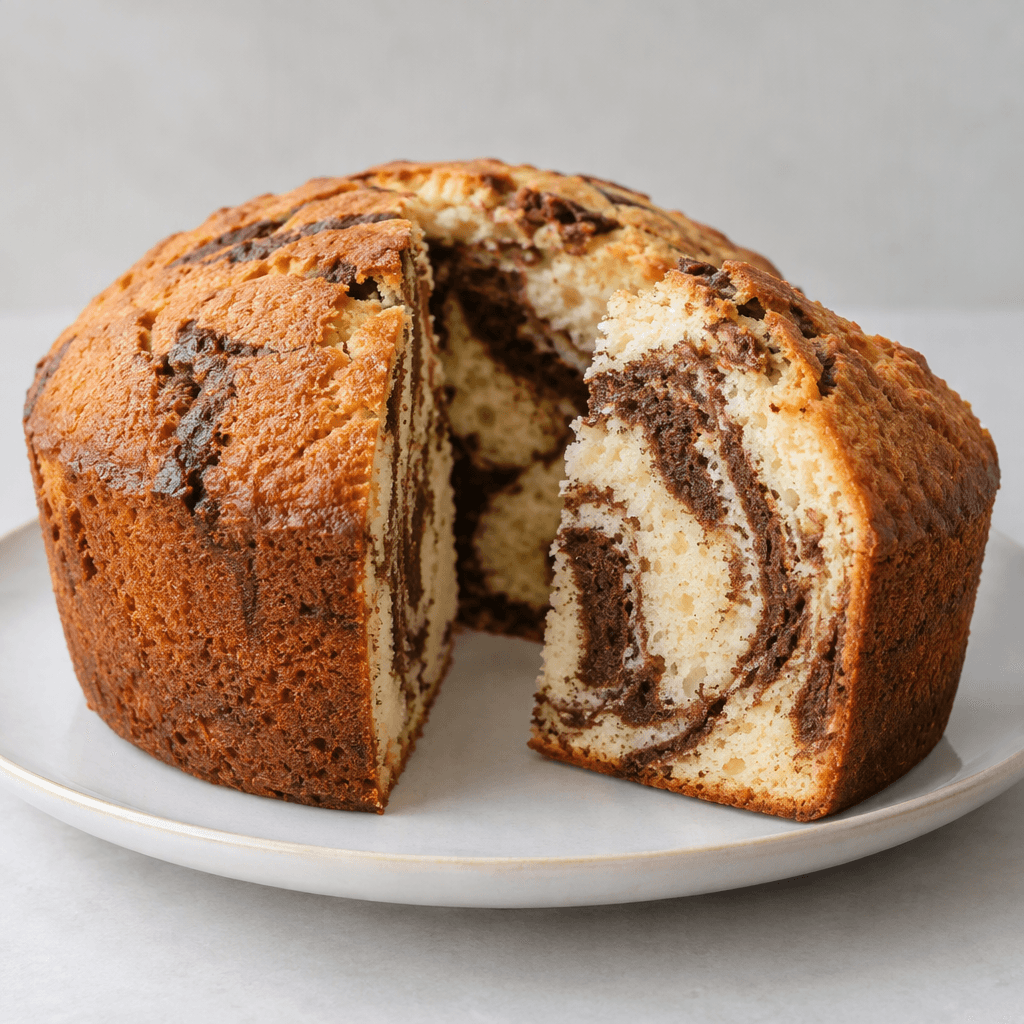
Mixed cake Calories
Assorted cake, energy-dense dessert
In season: Spring · Summer · Autumn · Winter
CALORIES · 100 G
GI
POTASSIUM · 100 G
FIBER · 100 G
Quick answer
1 slice (medium) of Mixed cake (80 g) has 311 calories. That works out to 389 calories per 100 g. It contains 42.6 g of carbs, 4.3 g of protein, 14.1 g of fat and 1.1 g of fiber. Its 7.8 µg of Selenium covers 14% of the Daily Value. Its glycemic index is 63 (medium), so it raises blood sugar at a moderate pace.
Mixed cake Nutrition Facts
Selected: 1 slice (medium) · 80 g
311
KCAL / 80G
Carbs
42.6g
· 15% DV
Protein
4.3g
· 9% DV
Fat
14.1g
· 18% DV
Fiber
1.1g
· 4% DV
DV is the share of the daily value covered, on a 2,000 kcal reference diet.
Calories come from: Carbs 54% · Protein 5% · Fat 41%
Mixed cake nutrition facts table · 1 slice (medium) (80 g)
| Nutrient | Amount | % DV |
|---|---|---|
| Calories | 311 kcal | |
| Total fat | 14.1 g | 18% |
| Saturated fat | 4.08 g | 20% |
| Trans fat | 0.14 g | |
| Sodium | 256 mg | 11% |
| Total carbohydrate | 42.6 g | 15% |
| Fiber | 1.1 g | 4% |
| Protein | 4.3 g | 9% |
Calories: Calories measure energy. Average daily need is 2,000 kcal. Excess calories are stored as fat, too few cause weight loss.
Carbs: Your body's primary energy source. The brain runs exclusively on carbs. Daily need: 275g.
Protein: Essential for muscle repair and cell growth. Daily need: 50g. Keeps you full and boosts metabolism.
Fat: Needed for hormone production and vitamin absorption. Daily need: 78g. Limit saturated fats, choose unsaturated.
Fiber: Critical for digestive health and satiety. Daily need: 28g. Stabilizes blood sugar, lowers cholesterol.

Log this food in EatBetter
100,000+ people use it
- Get your daily calorie target
- Snap your meal, log it in seconds
- See every vitamin and mineral

📸 Scan the code to get the app free.

How Many Calories in 1 Slice of Mixed cake?
| Serving | Amount | Calories |
|---|---|---|
| 1 slice (medium) | 80 g | 311 kcal |
| 1 piece (small) | 30 g | 117 kcal |
| 1 slice (thin) | 40 g | 156 kcal |
| 1 piece (medium) | 60 g | 233 kcal |
| 100 g | 100 g | 389 kcal |
| 1 piece (large) | 100 g | 389 kcal |
| 1 slice (thick) | 120 g | 467 kcal |
| 1 serving (large) | 150 g | 584 kcal |
Calculated from 389 calories per 100 g.
Frequently Asked Questions About Mixed cake
What is a mixed cake?
A mixed cake combines more than one flavor or mix-in in a single cake. The name can describe a plain-and-cocoa swirl cake or a cake with additions such as fruit, chocolate, or nuts; recipes vary by region and household.
How do you make a mixed cake with two colors?
To make a two-color mixed cake, divide the finished batter and stir cocoa into one portion. Spoon the batters into the pan in alternating layers, then gently swirl them with a skewer for a marbled pattern without blending the colors completely.
What can you add to a mixed cake?
Chocolate chips, chopped nuts, dried fruit, or fresh berries all work in a mixed cake. Fold small, evenly sized additions into the batter at the end; coating juicy or heavy pieces lightly in flour can help keep them from sinking.
Is a mixed cake the same as marble cake?
No. Marble cake specifically has contrasting batters swirled together to create a pattern, while mixed cake is a broader name that can also mean a cake with several flavors or add-ins. A two-color mixed cake may be a marble cake.
Why does a mixed cake sink in the middle?
A mixed cake often sinks when its center is still underbaked, the oven door is opened too early, or the batter contains too much leavening. Test the center before removing it, and avoid opening the oven while the cake is still setting.
How do you keep a mixed cake moist?
Keep a mixed cake moist by avoiding overbaking and storing it only after it has cooled completely. Seal it in an airtight container; if it has a cocoa portion, check the center for doneness rather than leaving the whole cake in the oven until the edges dry out.
Can you make a mixed cake without a mixer?
Yes, you can make a mixed cake by hand with a whisk or wooden spoon. Mix the wet ingredients first, then add the dry ingredients and stir just until combined; overmixing after adding flour can make the crumb dense.
How should you serve mixed cake?
Mixed cake is usually served in slices, plain or with a light dusting of powdered sugar. If its flavors are already varied, simple accompaniments such as tea, coffee, or fresh fruit let the cake remain the focus without making the serving overly sweet.
Can mixed cake be frozen with frosting?
Yes, but frosting can change texture after thawing, especially if it contains whipped cream or a delicate dairy filling. For the best result, freeze the unfrosted mixed cake, thaw it covered, and add frosting just before serving.
Does mixed cake raise blood sugar?
Yes, mixed cake can raise blood sugar because its flour and sugar are digested into glucose. The effect varies with the recipe and portion; people managing diabetes can discuss suitable portions and timing with their healthcare professional.
Mixed cake Vitamins & Minerals
Vitamins
Vitamin A
102.4µg · 11% DV
B2
0.14mg · 11% DV
Biotin
3.2µg · 11% DV
B12
0.18µg · 8% DV
Minerals
Selenium
7.84µg · 14% DV
Sodium
256mg · 11% DV
Phosphorus
74mg · 11% DV
Manganese
0.18mg · 8% DV
Potassium ⭐
94mg · 3% DV
Mixed cake Glycemic Index
GLYCEMIC INDEX
GLYCEMIC LOAD
Accounts for portion size — a more realistic measure than GI alone.
How to Burn Off Mixed cake
To burn the 311 calories in 1 slice (medium) (80 g):
🚶
Walking (5 km/h)
🏃
Running (8 km/h)
🚴
Cycling
🏊
Swimming
Times are calculated with the MET equation for a 70 kg adult. Actual burn varies with your weight, age and pace.
What is Mixed cake?
Mixed cake is a home-style cake with no single fixed recipe. Its batter usually combines flour, eggs, sugar and fat or milk; cocoa, fruit or nuts may be added, and some versions layer or swirl plain and chocolate mixtures together. The result can vary from one household or bakery to another, but it is generally soft, sweet and easy to slice.
It is commonly served with tea or coffee as an afternoon treat, or as a simple dessert after a meal. With 389 calories per 100 g, it is an energy-dense sweet, so a modest slice can be satisfying. For a lighter pairing, enjoy it with fresh fruit and an unsweetened drink.
How Nutritious Is Mixed cake?
Nutrient density
Low
How many vitamins, minerals and how much fiber this food carries per calorie. A high score means a lot of nutrition for few calories.
Satiety score
Low
An EatBetter score computed from fiber, protein and calorie density. A high score means staying full longer on the same calories.
Both scores are calculated per 100 g and do not change with the selected portion. The satiety score is EatBetter's own calculation, not a clinical measure.
Is Mixed cake Processed?
NOVA 3
Processed
1. Unprocessed
2. Minimally Processed
3. Processed
4. Ultra-Processed
NOVA classifies foods into 4 groups by industrial processing. NOVA 1 (unprocessed) is the healthiest.
Does Mixed cake Contain Allergens?
Contains these allergens:
Which Diets Is Mixed cake Good For?
Vegan
— Not suitable
Vegetarian
✓ Suitable
Gluten-Free
— Not suitable
Dairy-Free
— Not suitable
Mediterranean
— Not suitable
Paleo
— Not suitable
Whole30
— Not suitable
DASH
— Not suitable
Keto
— Not suitable
Low FODMAP
— Not suitable
Mixed cake Fat Profile
SATURATED
4.08g
MONOUNSATURATED
5.12g
POLYUNSATURATED
1.84g
Omega 6:3 ratio 56:1
Above the ideal 4:1 (56:1).
Compare Mixed cake
Foods Similar to Mixed cake
Have another question about Mixed cake?
Ask the AI nutrition coach — calories, portions, alternatives and more, answered in seconds in the app.

Scan calories with your camera
Instant AI nutrition analysis

Nutrition data compiled from USDA FoodData Central and scientific sources.