

Ready & Packaged Foods
All →Vegetables & Legumes
All →Desserts & Confectionery
All →Meat & Protein
All →Grains & Bakery
All →Beverages
All →Milk & Dairy
All →

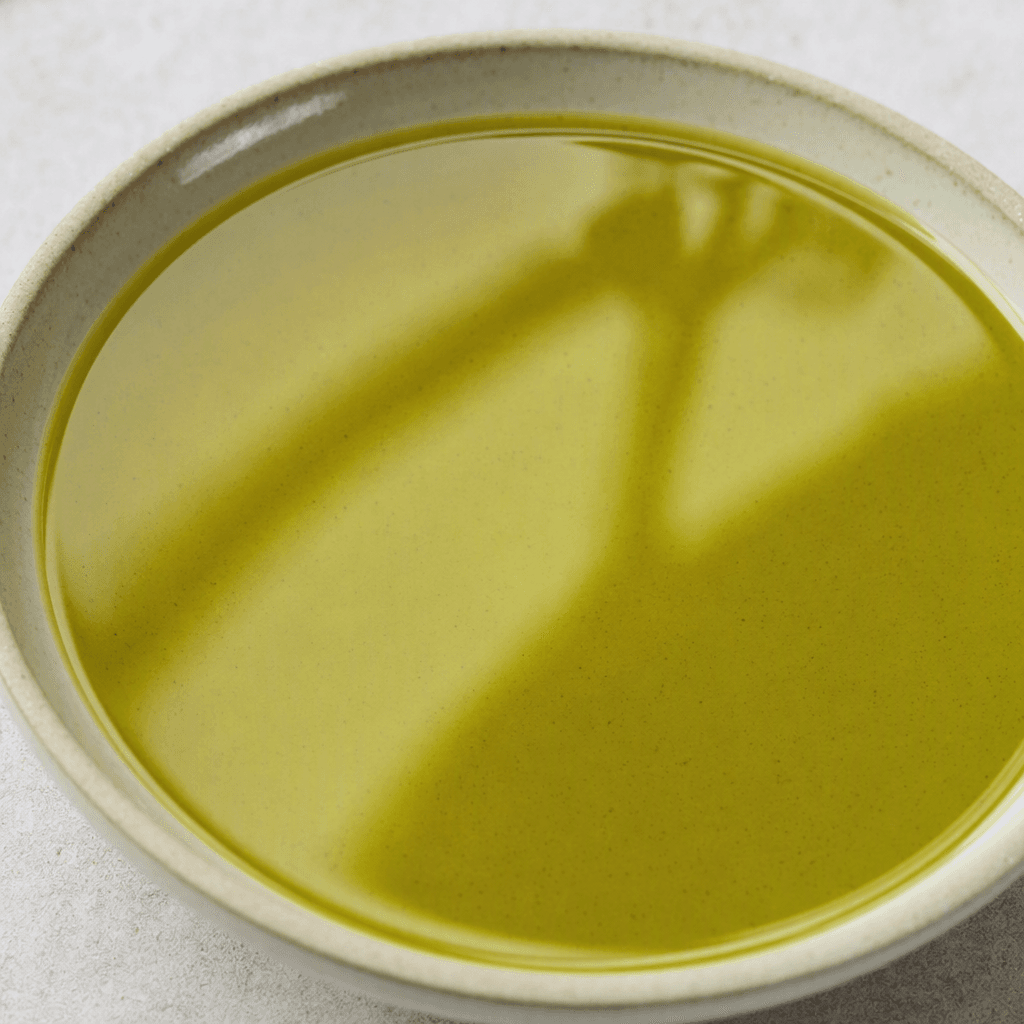
Hempseed oil Calories
Rich in omega-3 and omega-6, plant-based oil
In season: Spring · Summer · Autumn · Winter
CALORIES
GI
POTASSIUM
FIBER
Quick answer
1 tablespoon (medium) of Hempseed oil (14 g) has 122 calories. That works out to 900 calories per 100 g. It contains 0 g of carbs, 0 g of protein, 13.6 g of fat and 0 g of fiber. Its 12.2 mg of Vitamin E covers 82% of the Daily Value. Its glycemic index is 0 (low), so it raises blood sugar slowly.
What is Hempseed oil?
Hindistancevizi yağı, or coconut oil, is made from the flesh of coconuts. It may be solid at a cool room temperature and melts when heated. Across the English-speaking world, it is used in baking and frying, as well as in some South Asian and Southeast Asian-inspired dishes; the familiar uses vary by household and cuisine.
Its flavour can be distinctly coconut-like, especially in unrefined versions, while refined oil is milder. It is almost entirely fat, with a high proportion of saturated fat, so it is best treated as a cooking ingredient rather than a source of protein or fibre. Use unrefined oil when its aroma suits the dish, or refined oil for a more neutral taste; measuring it helps keep the amount in a recipe in check.
Hempseed oil Nutrition Facts
Selected: 100 g
900
KCAL / 100G
Carbs
0g
· 0% DV
Protein
0g
· 0% DV
Fat
100g
· 128% DV
Fiber
0g
· 0% DV
DV is the share of the daily value covered, on a 2,000 kcal reference diet.
Calories come from: Carbs 0% · Protein 0% · Fat 100%
Hempseed oil Vitamins & Minerals
Vitamins
Vitamin E
90mg · 600% DV
Vitamin K
15µg · 13% DV
Vitamin A
4µg · 0% DV
B1
0mg · 0% DV
Minerals
Calcium
1mg · 0% DV
Iron
0mg · 0% DV
Magnesium
0mg · 0% DV
Zinc
0mg · 0% DV
How Nutritious Is Hempseed oil?
Nutrient density
Medium
How many vitamins, minerals and how much fiber this food carries per calorie. A high score means a lot of nutrition for few calories.
Satiety score
Low
An EatBetter score computed from fiber, protein and calorie density. A high score means staying full longer on the same calories.
Both scores are calculated per 100 g and do not change with the selected portion. The satiety score is EatBetter's own calculation, not a clinical measure.
Hempseed oil Glycemic Index
GLYCEMIC INDEX
GLYCEMIC LOAD
Accounts for portion size — a more realistic measure than GI alone.
How to Burn Off Hempseed oil
To burn the 900 calories in 100 g:
🚶
Walking (5 km/h)
🏃
Running (8 km/h)
🚴
Cycling
🏊
Swimming
Times are calculated with the MET equation for a 70 kg adult. Actual burn varies with your weight, age and pace.
Is Hempseed oil Processed?
NOVA 2
Minimally Processed
1. Unprocessed
2. Minimally Processed
3. Processed
4. Ultra-Processed
NOVA classifies foods into 4 groups by industrial processing. NOVA 1 (unprocessed) is the healthiest.
Does Hempseed oil Contain Allergens?
No known major allergens
Which Diets Is Hempseed oil Good For?
Vegan
✓ Suitable
Vegetarian
✓ Suitable
Gluten-Free
✓ Suitable
Dairy-Free
— Not suitable
Mediterranean
✓ Suitable
Paleo
✓ Suitable
Whole30
— Not suitable
DASH
— Not suitable
Keto
✓ Suitable
Low FODMAP
— Not suitable
Hempseed oil Fat Profile
SATURATED
9g
MONOUNSATURATED
13g
POLYUNSATURATED
76g
Omega 6:3 ratio 3.3:1
Below the ideal 4:1 — a good omega balance.
Compare Hempseed oil
Foods Similar to Hempseed oil
Frequently Asked Questions About Hempseed oil
Is Hindistancevizi yağı healthy?
Hindistancevizi yağı is coconut oil. It is high in saturated fat, which can raise LDL cholesterol, so it is better used sparingly rather than as your everyday main cooking oil. Oils rich in unsaturated fats are a better routine choice.
Can you cook with Hindistancevizi yağı at high heat?
Yes, refined Hindistancevizi yağı works better for high-heat cooking than virgin Hindistancevizi yağı, which has a lower smoke point and a stronger coconut flavor. If the oil starts smoking, lower the heat rather than continuing to cook in it.
Does Hindistancevizi yağı help with weight loss?
No, Hindistancevizi yağı does not cause weight loss by itself. Adding it to meals adds energy, and replacing other oils with extra Hindistancevizi yağı is not a reliable weight-loss strategy.
Why does Hindistancevizi yağı turn solid?
Hindistancevizi yağı naturally turns solid in cooler conditions and liquefies when warm. This change in texture is normal and does not mean the oil has spoiled. Warm the container gently if you need to measure it while liquid.
What is the difference between virgin and refined Hindistancevizi yağı?
Virgin Hindistancevizi yağı retains a stronger coconut aroma and flavor, while refined Hindistancevizi yağı is more neutral. Refined oil generally tolerates higher cooking temperatures, making it more suitable when you do not want coconut flavor in a dish.
Can Hindistancevizi yağı replace butter in baking?
Yes, Hindistancevizi yağı can replace butter in some baking recipes, but it may change the flavor and texture. Use it in recipes that suit its coconut taste, or choose refined oil for a more neutral result.
How should you store Hindistancevizi yağı?
Keep Hindistancevizi yağı tightly closed in a cool, dark cupboard. Refrigeration is unnecessary and makes the oil harder to scoop. Discard it if it develops an unpleasant or rancid smell or taste.
Can you use Hindistancevizi yağı for oil pulling?
Yes, some people swish Hindistancevizi yağı in their mouth as an oral-care practice, but it should not replace brushing with fluoride toothpaste or flossing. Claims that oil pulling cures dental problems are not established.
Can Hindistancevizi yağı be used instead of olive oil?
Sometimes, but the oils behave differently: Hindistancevizi yağı becomes solid in cool conditions and can add a coconut flavor, while olive oil stays liquid and has its own flavor. Choose based on the recipe and the taste you want.
Can Hindistancevizi yağı go bad?
Yes, Hindistancevizi yağı can become rancid over time, especially if exposed to heat, light, or air. Store it sealed in a cool, dark place, and do not use it if its smell or taste has turned unpleasant.
Have another question about Hempseed oil?
Ask the AI nutrition coach — calories, portions, alternatives and more, answered in seconds in the app.

Scan calories with your camera
Instant AI nutrition analysis

Nutrition data compiled from USDA FoodData Central and scientific sources.