

Ready & Packaged Foods
All →Vegetables & Legumes
All →Desserts & Confectionery
All →Meat & Protein
All →Grains & Bakery
All →Beverages
All →Milk & Dairy
All →

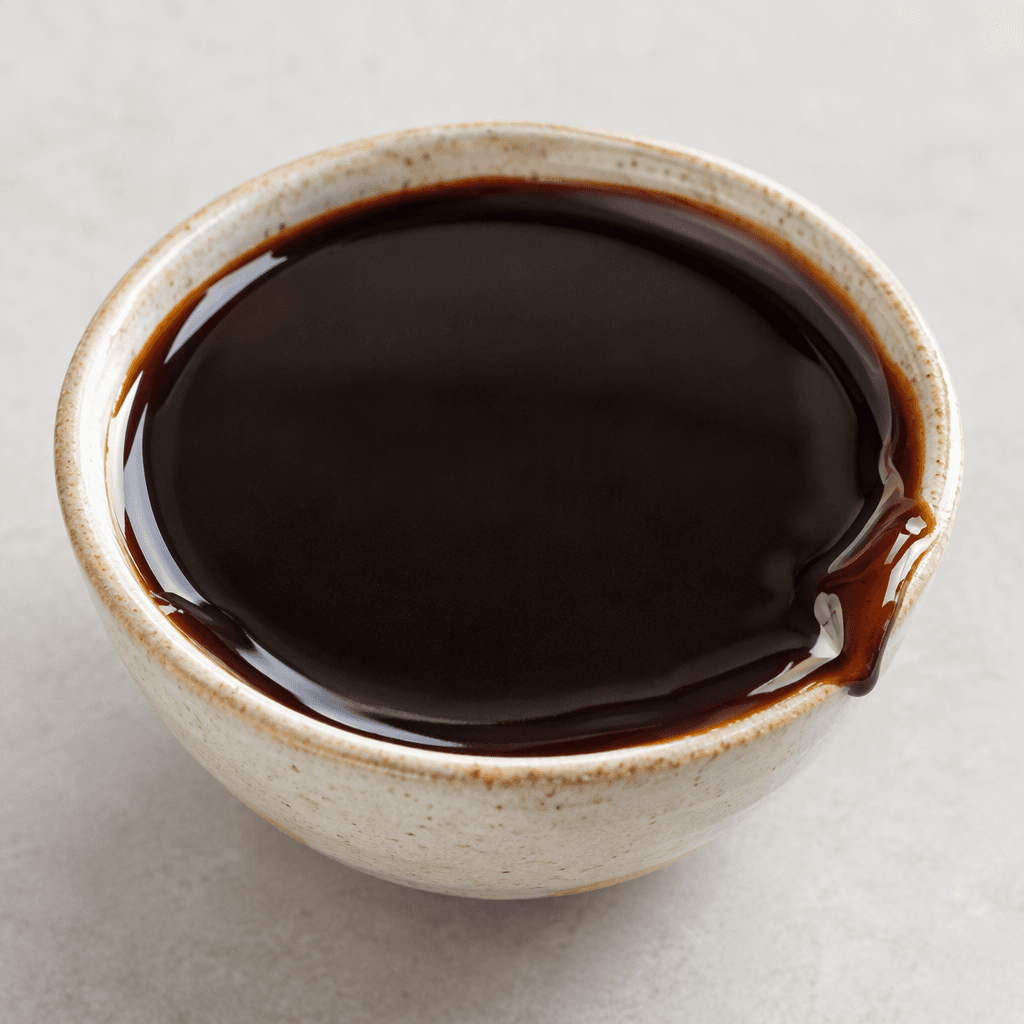
Grape Molasses Calories
Natural energy source, rich in iron and calcium, traditional sweetener
In season: Autumn · Winter
CALORIES
GI
POTASSIUM
FIBER
Quick answer
1 tablespoon (medium) of Grape Molasses (20 g) has 58 calories. That works out to 290 calories per 100 g. It contains 14.8 g of carbs, 0.2 g of protein, 0 g of fat and 0.1 g of fiber. Its 0.9 mg of Iron covers 5% of the Daily Value. Its glycemic index is 65 (high), so it raises blood sugar quickly.
What is Grape Molasses?
Grape Molasses is a thick syrup made by concentrating grape juice, a traditional preparation in Turkey and other parts of the eastern Mediterranean. It ranges from brown to almost black, with a glossy, slow-pouring texture and a deep sweetness that can carry a fruity or slightly tart note depending on the grapes and preparation.
In Turkey, it is often stirred into tahini and spread on bread at breakfast, or spooned over yoghurt; it is also used to sweeten baking and some home cooking. For readers elsewhere, try a little on porridge, toast or plain yoghurt. It is mainly a source of carbohydrates, with very little fat or protein, so its sweetness is concentrated. Pairing it with tahini or unsweetened yoghurt gives a less one-note taste; use a small spoonful if you want just a hint of sweetness.
Grape Molasses Nutrition Facts
Selected: 100 g
290
KCAL / 100G
Carbs
74g
· 27% DV
Protein
1.2g
· 2% DV
Fat
0.1g
· 0% DV
Fiber
0.6g
· 2% DV
DV is the share of the daily value covered, on a 2,000 kcal reference diet.
Calories come from: Carbs 98% · Protein 2% · Fat 0%
Grape Molasses Vitamins & Minerals
Vitamins
B6
0.09mg · 5% DV
B1
0.03mg · 3% DV
B2
0.04mg · 3% DV
B3
0.3mg · 2% DV
Minerals
Iron
5mg · 28% DV
Potassium ⭐
400mg · 12% DV
Magnesium
40mg · 10% DV
Phosphorus
60mg · 9% DV
How Nutritious Is Grape Molasses?
Nutrient density
Medium
How many vitamins, minerals and how much fiber this food carries per calorie. A high score means a lot of nutrition for few calories.
Satiety score
Low
An EatBetter score computed from fiber, protein and calorie density. A high score means staying full longer on the same calories.
Both scores are calculated per 100 g and do not change with the selected portion. The satiety score is EatBetter's own calculation, not a clinical measure.
Grape Molasses Glycemic Index
GLYCEMIC INDEX
GLYCEMIC LOAD
Accounts for portion size — a more realistic measure than GI alone.
How to Burn Off Grape Molasses
To burn the 290 calories in 100 g:
🚶
Walking (5 km/h)
🏃
Running (8 km/h)
🚴
Cycling
🏊
Swimming
Times are calculated with the MET equation for a 70 kg adult. Actual burn varies with your weight, age and pace.
Is Grape Molasses Processed?
NOVA 3
Processed
1. Unprocessed
2. Minimally Processed
3. Processed
4. Ultra-Processed
NOVA classifies foods into 4 groups by industrial processing. NOVA 1 (unprocessed) is the healthiest.
Does Grape Molasses Contain Allergens?
No known major allergens
Which Diets Is Grape Molasses Good For?
Vegan
✓ Suitable
Vegetarian
✓ Suitable
Gluten-Free
✓ Suitable
Dairy-Free
— Not suitable
Mediterranean
✓ Suitable
Paleo
— Not suitable
Whole30
— Not suitable
DASH
— Not suitable
Keto
— Not suitable
Low FODMAP
— Not suitable
Grape Molasses Fat Profile
SATURATED
0.01g
MONOUNSATURATED
0.01g
POLYUNSATURATED
0.01g
Compare Grape Molasses
Foods Similar to Grape Molasses
Frequently Asked Questions About Grape Molasses
What is grape molasses made from?
Grape molasses is made from grape juice that is strained and simmered until thick and syrupy. Traditional methods may use a clarifying agent before the juice is reduced; the exact process and flavor vary by producer and region.
How do you use grape molasses?
Grape molasses can be stirred into tahini, spread on bread, or used to sweeten marinades, sauces, and baked goods. Its dark, fruity flavor is strong, so start with a small amount when adding it to a recipe.
Is grape molasses the same as pomegranate molasses?
No. Grape molasses is made from grapes and is usually sweet, while pomegranate molasses is made from pomegranate juice and is typically tangier and more sour. They are not interchangeable in recipes where the distinctive tart flavor of pomegranate molasses matters.
Can grape molasses replace sugar in baking?
Yes, grape molasses can replace some or all of the sugar in certain baked goods, but it adds liquid, color, and a pronounced grape flavor. Reduce other liquid ingredients when needed, and expect a denser, darker result than with granulated sugar.
How should you store grape molasses after opening?
Keep grape molasses tightly closed in a cool, dry place away from direct sunlight, and use a clean, dry spoon. Follow the storage directions on the jar; discard it if you notice mold, an off smell, or an unusual taste.
Why has my grape molasses crystallized?
Grape molasses can crystallize as its natural sugars form crystals during storage or when conditions change. Crystals alone do not necessarily mean it has spoiled, but discard the jar if there is mold, a sour odor, or an unusual flavor.
Can grape molasses be used in cooking?
Yes, grape molasses works in baking, sauces, marinades, and some traditional dishes. Heating can deepen or change its flavor, so add it with care and avoid prolonged high heat if you do not want the syrup to taste bitter.
Is grape molasses a good substitute for honey?
Grape molasses can replace honey in some sauces, marinades, and baked goods, but it has a darker color and a more concentrated grape flavor. It may also be less fluid, so the finished recipe will not taste or look exactly the same.
Does grape molasses help with anemia?
No, grape molasses is not a treatment for anemia. Its iron content can vary, and the iron in plant foods is not absorbed as readily as iron from meat; suspected iron deficiency needs proper testing and treatment.
Can people with diabetes eat grape molasses?
People with diabetes can include grape molasses only with attention to portion size, since its concentrated sugars can raise blood glucose. The right amount depends on individual targets and medication, so ask your clinician or dietitian how to fit it into your plan.
Have another question about Grape Molasses?
Ask the AI nutrition coach — calories, portions, alternatives and more, answered in seconds in the app.

Scan calories with your camera
Instant AI nutrition analysis

Nutrition data compiled from USDA FoodData Central and scientific sources.