

Ready & Packaged Foods
All →Vegetables & Legumes
All →Desserts & Confectionery
All →Meat & Protein
All →Grains & Bakery
All →Beverages
All →Milk & Dairy
All →

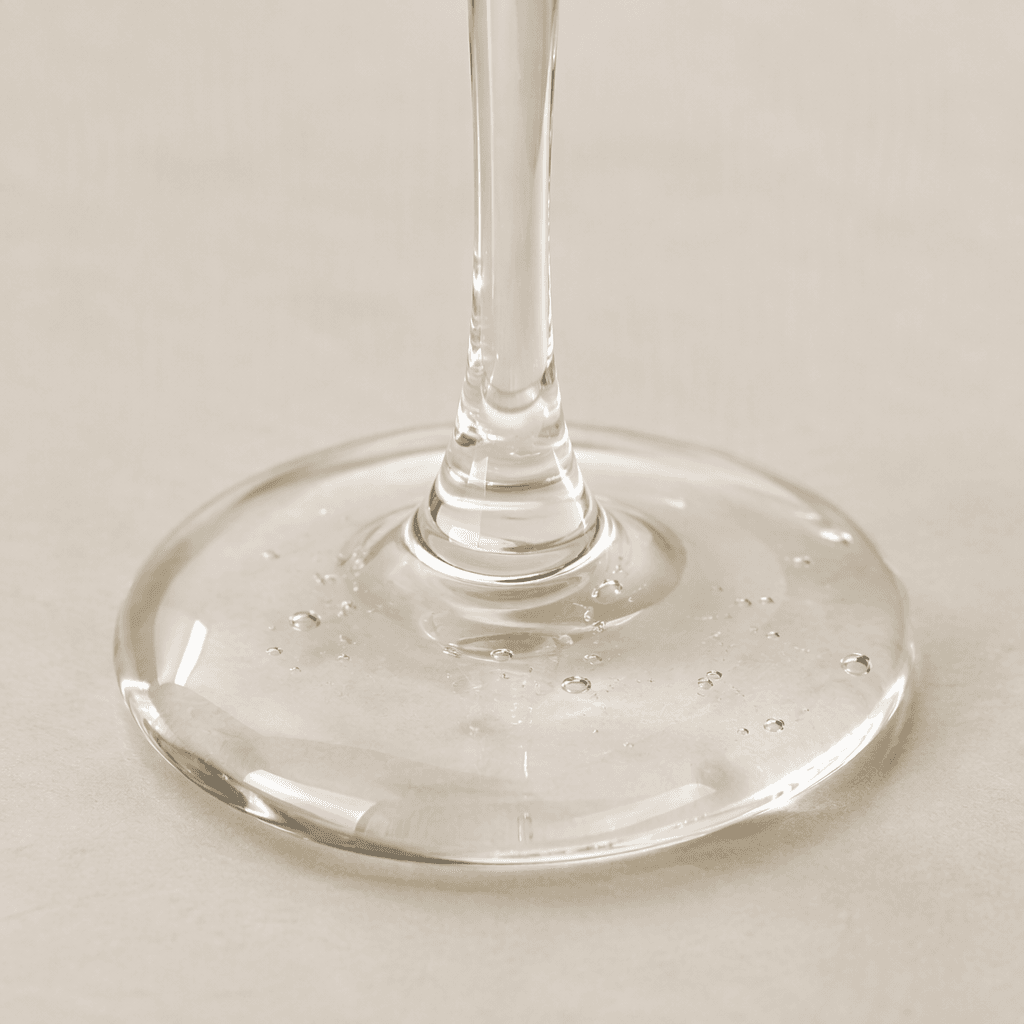
Glycerin Calories
A sweet-tasting humectant compound that provides energy but is not a typical whole food.
CALORIES · 100 G
GI
POTASSIUM · 100 G
FIBER · 100 G
Quick answer
1 tablespoon (medium) of Glycerin (15 g) has 65 calories. That works out to 431 calories per 100 g. It contains 0 g of carbs, 0 g of protein, 0 g of fat and 0 g of fiber. Its glycemic index is 5 (low), so it raises blood sugar slowly.
Glycerin Nutrition Facts
Selected: 1 tablespoon (medium) · 15 g
65
KCAL / 15G
Carbs
0g
· 0% DV
Protein
0g
· 0% DV
Fat
0g
· 0% DV
Fiber
0g
· 0% DV
DV is the share of the daily value covered, on a 2,000 kcal reference diet.
Calories come from: Carbs 0% · Protein 0% · Fat 100%
Glycerin nutrition facts table · 1 tablespoon (medium) (15 g)
| Nutrient | Amount | % DV |
|---|---|---|
| Calories | 65 kcal | |
| Total fat | 0 g | 0% |
| Saturated fat | 0 g | 0% |
| Trans fat | 0 g | |
| Sodium | 0 mg | 0% |
| Total carbohydrate | 0 g | 0% |
| Fiber | 0 g | 0% |
| Protein | 0 g | 0% |
Calories: Calories measure energy. Average daily need is 2,000 kcal. Excess calories are stored as fat, too few cause weight loss.
Carbs: Your body's primary energy source. The brain runs exclusively on carbs. Daily need: 275g.
Protein: Essential for muscle repair and cell growth. Daily need: 50g. Keeps you full and boosts metabolism.
Fat: Needed for hormone production and vitamin absorption. Daily need: 78g. Limit saturated fats, choose unsaturated.
Fiber: Critical for digestive health and satiety. Daily need: 28g. Stabilizes blood sugar, lowers cholesterol.

Log this food in EatBetter
100,000+ people use it
- Get your daily calorie target
- Snap your meal, log it in seconds
- See every vitamin and mineral

📸 Scan the code to get the app free.

How Many Calories in 1 Tablespoon of Glycerin?
| Serving | Amount | Calories |
|---|---|---|
| 1 tablespoon (medium) | 15 g | 65 kcal |
| 1 teaspoon (small) | 5 g | 22 kcal |
| 1 ounce (medium) | 28 g | 121 kcal |
| 2 tablespoon (double) | 30 g | 129 kcal |
| 50 g | 50 g | 216 kcal |
| 100 g | 100 g | 431 kcal |
Calculated from 431 calories per 100 g.
Frequently Asked Questions About Glycerin
What is glycerin used for in food?
Glycerin helps food retain moisture and stay soft, and it adds mild sweetness. It is used in products such as confectionery, fillings, icings and some baked goods; it is a functional ingredient rather than a main food.
Is glycerin the same as glycerol?
Yes. Glycerin and glycerol are two names for the same compound. “Glycerin” is commonly used for commercial and food-grade products, while “glycerol” is often used as the chemical name.
Can you eat glycerin?
Yes, if the product is specifically food-grade glycerin and is used as directed. Do not eat cosmetic or industrial glycerin: those products may not meet food standards, even if the ingredient name on the container is the same.
Is glycerin a type of sugar?
No. Glycerin tastes sweet but is not a sugar such as sucrose or glucose. In recipes it can contribute sweetness and help retain moisture, but it does not behave like table sugar in baking.
What does glycerin do in fondant?
Glycerin helps fondant stay pliable instead of drying out and cracking. Add only the amount called for in the recipe; too much can make fondant sticky and difficult to roll or shape.
Can glycerin be used in baking?
Yes, food-grade glycerin can be used in some baking recipes to help keep cakes and other baked goods moist. It is not a universal replacement for oil, butter or sugar, so follow a recipe that specifies it.
Is vegetable glycerin actually made from vegetables?
Vegetable glycerin is made from plant oils, not from vegetables as a whole food. Glycerin can also come from animal fats or be made synthetically, so the product’s source matters if you are checking its origin.
Can glycerin replace corn syrup in a recipe?
Not reliably as a direct, equal-volume replacement. Glycerin can provide sweetness and moisture, but corn syrup also affects texture and prevents crystallization; swapping them can change the result, especially in candy.
Does glycerin expire?
Glycerin has a shelf life, so follow the date and storage instructions on its package. Keep it tightly closed in a cool, dry place, and discard it if its appearance, smell or consistency changes noticeably.
Can too much glycerin cause diarrhea?
Yes. Large amounts of glycerin can upset digestion and cause diarrhea in some people. Use only the amount intended for the recipe, and seek medical advice after a substantial accidental ingestion or if symptoms are severe.
Glycerin Vitamins & Minerals
Vitamins
Vitamin A
0µg · 0% DV
B1
0mg · 0% DV
B2
0mg · 0% DV
B3
0mg · 0% DV
Minerals
Calcium
0mg · 0% DV
Iron
0mg · 0% DV
Magnesium
0mg · 0% DV
Zinc
0mg · 0% DV
Sodium
0mg · 0% DV
Potassium ⭐
0mg · 0% DV
Glycerin Glycemic Index
GLYCEMIC INDEX
GLYCEMIC LOAD
Accounts for portion size — a more realistic measure than GI alone.
How to Burn Off Glycerin
To burn the 65 calories in 1 tablespoon (medium) (15 g):
🚶
Walking (5 km/h)
🏃
Running (8 km/h)
🚴
Cycling
🏊
Swimming
Times are calculated with the MET equation for a 70 kg adult. Actual burn varies with your weight, age and pace.
What is Glycerin?
Glycerin is a sweet-tasting compound that helps food retain moisture. Food-grade glycerin may be used in sweets, icing and some baked goods to keep them soft and slow drying. It is generally an ingredient in a recipe or packaged product rather than a food eaten on its own.
Its texture is thick and syrupy, and it has a mild sweetness. In the places where it is used, you’re more likely to encounter it in confectionery or specialty baking than serve it as a standalone item. Glycerin provides 431 kcal per 100 g, while offering no protein, fat or fibre according to the table. If you use it at home, choose food-grade glycerin and add only a small amount when moisture retention is the goal.
How Nutritious Is Glycerin?
Satiety score
Low
An EatBetter score computed from fiber, protein and calorie density. A high score means staying full longer on the same calories.
Both scores are calculated per 100 g and do not change with the selected portion. The satiety score is EatBetter's own calculation, not a clinical measure.
Is Glycerin Processed?
NOVA 3
Processed
1. Unprocessed
2. Minimally Processed
3. Processed
4. Ultra-Processed
NOVA classifies foods into 4 groups by industrial processing. NOVA 1 (unprocessed) is the healthiest.
Does Glycerin Contain Allergens?
No known major allergens
Which Diets Is Glycerin Good For?
Vegan
✓ Suitable
Vegetarian
✓ Suitable
Gluten-Free
✓ Suitable
Dairy-Free
— Not suitable
Mediterranean
— Not suitable
Paleo
— Not suitable
Whole30
— Not suitable
DASH
— Not suitable
Keto
— Not suitable
Low FODMAP
— Not suitable
Glycerin Fat Profile
SATURATED
0g
MONOUNSATURATED
0g
POLYUNSATURATED
0g
Compare Glycerin
Foods Similar to Glycerin
Have another question about Glycerin?
Ask the AI nutrition coach — calories, portions, alternatives and more, answered in seconds in the app.

Scan calories with your camera
Instant AI nutrition analysis

Nutrition data compiled from USDA FoodData Central and scientific sources.