

Ready & Packaged Foods
All →Vegetables & Legumes
All →Desserts & Confectionery
All →Meat & Protein
All →Grains & Bakery
All →Beverages
All →Milk & Dairy
All →

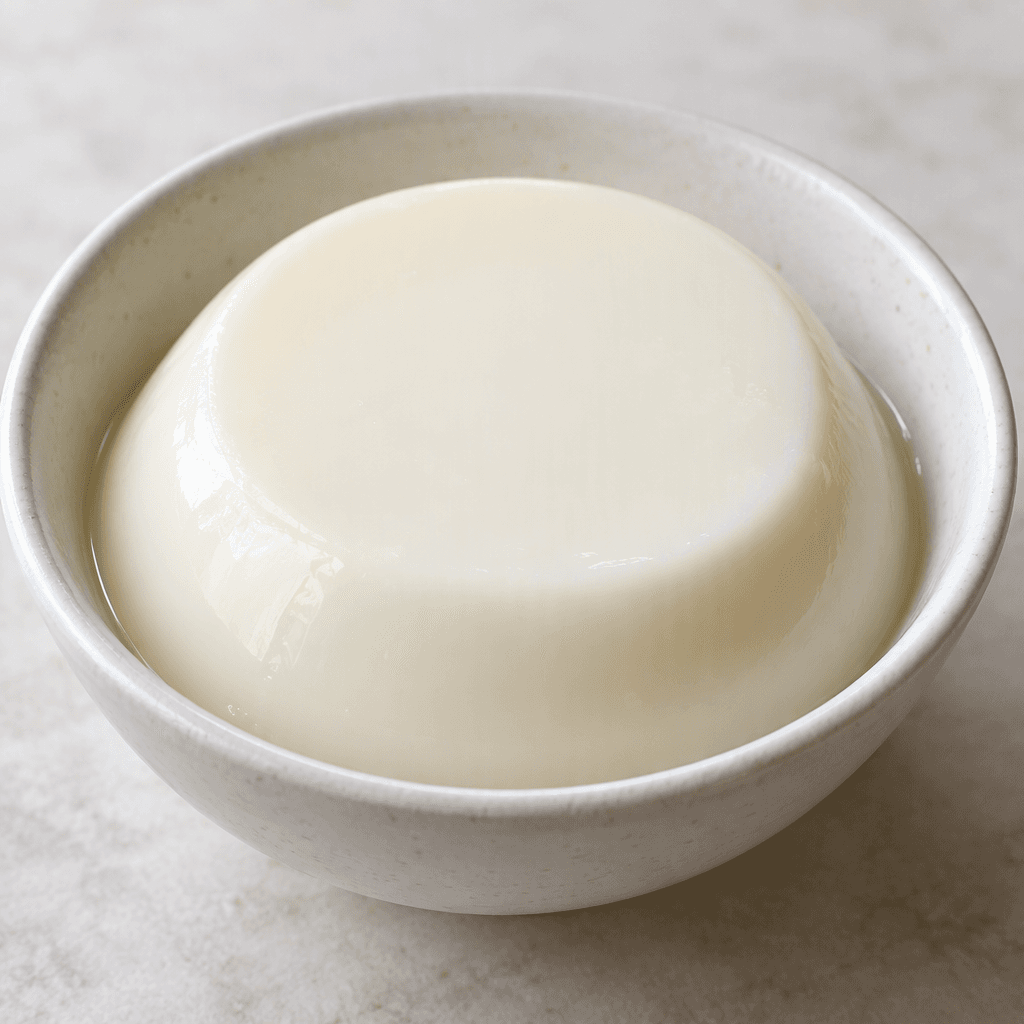
Gluten-free muhallebi Calories
Milk-based, gluten-free, light dessert, low fat
In season: Spring · Summer · Autumn · Winter
CALORIES
GI
POTASSIUM
FIBER
Quick answer
1 piece (medium) of Gluten-free muhallebi (150 g) has 128 calories. That works out to 85 calories per 100 g. It contains 23.3 g of carbs, 4.1 g of protein, 2.3 g of fat and 0 g of fiber. Its 105 mg of Phosphorus covers 15% of the Daily Value. Its glycemic index is 60 (medium), so it raises blood sugar at a moderate pace.
What is Gluten-free muhallebi?
Gluten-free muhallebi is a Turkish milk pudding, traditionally thickened with a starch or flour; gluten-free versions use a suitable alternative such as rice flour or cornstarch. It has a gently sweet flavour and a smooth, spoonable texture, and is usually served chilled, sometimes dusted with cinnamon or topped with fruit. In Turkey it is a familiar home-style dessert and a popular choice after a meal; elsewhere, it fits easily into a simple dessert course or an afternoon snack. At 85 calories per 100 g, it is relatively light and low in fat. Try it with fresh fruit, or reduce the sugar for a less-sweet bowl.
Gluten-free muhallebi Nutrition Facts
Selected: 100 g
85
KCAL / 100G
Carbs
15.5g
· 6% DV
Protein
2.7g
· 5% DV
Fat
1.5g
· 2% DV
Fiber
0g
· 0% DV
DV is the share of the daily value covered, on a 2,000 kcal reference diet.
Calories come from: Carbs 72% · Protein 13% · Fat 15%
Gluten-free muhallebi Vitamins & Minerals
Vitamins
B2
0.12mg · 9% DV
B12
0.2µg · 8% DV
Biotin
2µg · 7% DV
B5
0.3mg · 6% DV
Minerals
Calcium
95mg · 10% DV
Phosphorus
70mg · 10% DV
Iodine
8µg · 5% DV
Selenium
2µg · 4% DV
How Nutritious Is Gluten-free muhallebi?
Nutrient density
Medium
How many vitamins, minerals and how much fiber this food carries per calorie. A high score means a lot of nutrition for few calories.
Satiety score
Medium
An EatBetter score computed from fiber, protein and calorie density. A high score means staying full longer on the same calories.
Both scores are calculated per 100 g and do not change with the selected portion. The satiety score is EatBetter's own calculation, not a clinical measure.
Gluten-free muhallebi Glycemic Index
GLYCEMIC INDEX
GLYCEMIC LOAD
Accounts for portion size — a more realistic measure than GI alone.
How to Burn Off Gluten-free muhallebi
To burn the 85 calories in 100 g:
🚶
Walking (5 km/h)
🏃
Running (8 km/h)
🚴
Cycling
🏊
Swimming
Times are calculated with the MET equation for a 70 kg adult. Actual burn varies with your weight, age and pace.
Is Gluten-free muhallebi Processed?
NOVA 2
Minimally Processed
1. Unprocessed
2. Minimally Processed
3. Processed
4. Ultra-Processed
NOVA classifies foods into 4 groups by industrial processing. NOVA 1 (unprocessed) is the healthiest.
Does Gluten-free muhallebi Contain Allergens?
Contains these allergens:
Which Diets Is Gluten-free muhallebi Good For?
Vegan
— Not suitable
Vegetarian
✓ Suitable
Gluten-Free
✓ Suitable
Dairy-Free
— Not suitable
Mediterranean
✓ Suitable
Paleo
— Not suitable
Whole30
— Not suitable
DASH
— Not suitable
Keto
— Not suitable
Low FODMAP
— Not suitable
Gluten-free muhallebi Fat Profile
SATURATED
0.9g
MONOUNSATURATED
0.4g
POLYUNSATURATED
0.05g
Omega 6:3 ratio 3:1
Below the ideal 4:1 — a good omega balance.
Compare Gluten-free muhallebi
Foods Similar to Gluten-free muhallebi
Frequently Asked Questions About Gluten-free muhallebi
What is gluten-free muhallebi?
Gluten-free muhallebi is a Turkish milk pudding thickened without wheat flour, usually with starch or rice flour. It is cooked until creamy, then chilled until set, and is commonly served in individual bowls.
Is gluten-free muhallebi the same as rice pudding?
No, gluten-free muhallebi is usually a smooth milk pudding thickened with starch or rice flour, while rice pudding contains whole rice grains. Their ingredients and textures differ, even though both are served chilled in many homes.
How do you make gluten-free muhallebi creamy without wheat flour?
Cornstarch, potato starch, or rice flour can thicken gluten-free muhallebi without wheat flour. Whisk the thickener into a little cold milk first, then stir it into the pot to help the pudding cook smoothly.
Can gluten-free muhallebi be made with almond milk?
Yes, gluten-free muhallebi can be made with almond milk, though the result is less rich than the traditional dairy version. Use an unsweetened variety and stir steadily while heating, since plant milks can behave differently as they thicken.
Why does gluten-free muhallebi turn lumpy?
Gluten-free muhallebi turns lumpy when dry starch hits hot milk or is not dispersed before cooking. Mix the starch with cold milk until smooth, add it to the pot, and whisk continuously as the pudding heats.
Why is my gluten-free muhallebi still runny?
Gluten-free muhallebi may stay runny if it has not cooked long enough for its starch to thicken. Keep stirring over gentle heat until it coats a spoon, then allow it to cool; it firms further in the refrigerator.
What is traditionally added to gluten-free muhallebi for flavor?
Gluten-free muhallebi is often flavored simply with vanilla, rose water, or a little mastic, depending on the recipe. Add delicate flavorings near the end of cooking so their aroma remains noticeable after the pudding is chilled.
How is gluten-free muhallebi served in Turkey?
Gluten-free muhallebi is usually served chilled in small bowls or cups, often finished with cinnamon or ground pistachios. It is a familiar light dessert after a meal and can also be presented in a larger dish for sharing.
Can gluten-free muhallebi be frozen?
Gluten-free muhallebi can be frozen, but thawing may make its texture watery or grainy. For the smoothest result, keep it covered in the refrigerator and serve it chilled rather than preparing it far ahead for the freezer.
How long does gluten-free muhallebi last in the fridge?
Gluten-free muhallebi keeps for about 2–3 days in a covered container in the refrigerator. Cover the surface to limit a skin forming, and discard it if it develops an unusual smell or appearance.
Have another question about Gluten-free muhallebi?
Ask the AI nutrition coach — calories, portions, alternatives and more, answered in seconds in the app.

Scan calories with your camera
Instant AI nutrition analysis

Nutrition data compiled from USDA FoodData Central and scientific sources.