

Ready & Packaged Foods
All →Vegetables & Legumes
All →Desserts & Confectionery
All →Meat & Protein
All →Grains & Bakery
All →Beverages
All →Milk & Dairy
All →

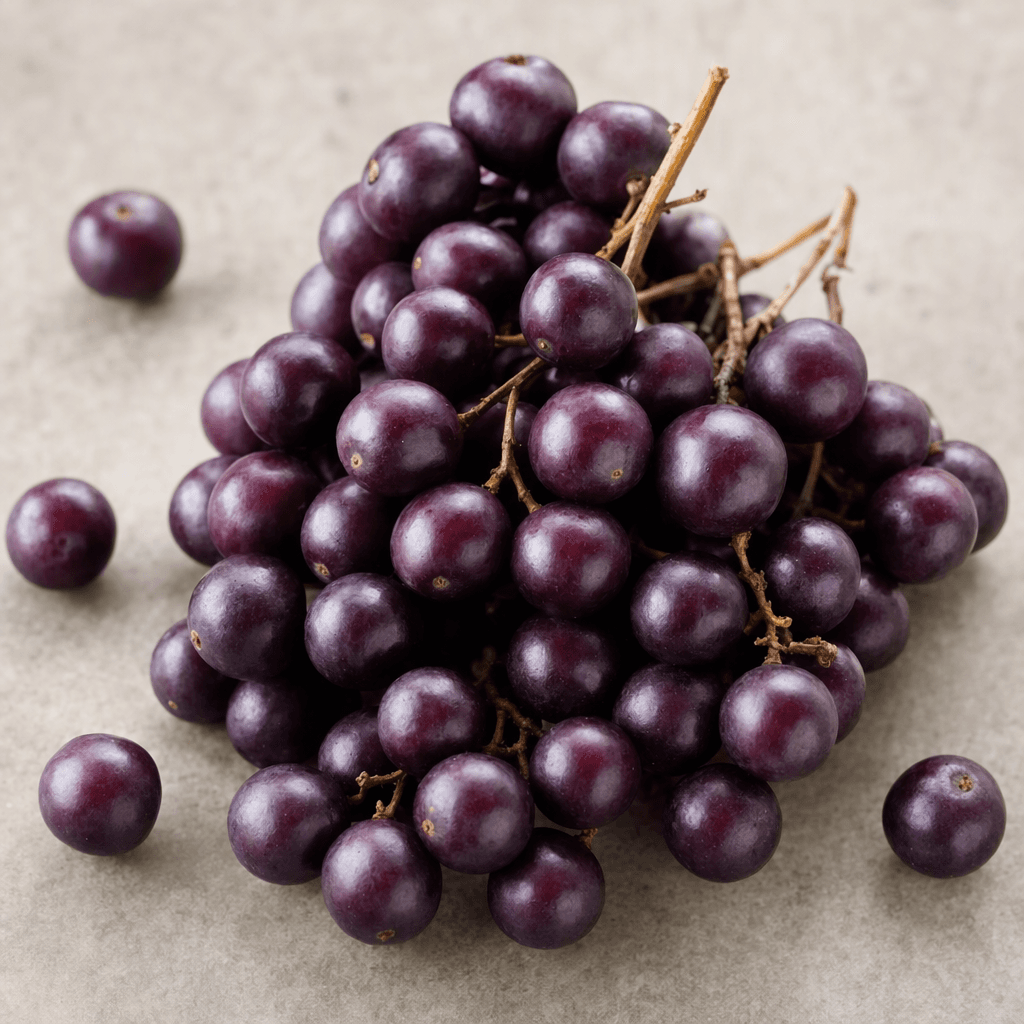
Gilik Calories
Sweet, juicy, fibrous, vitamin and mineral-rich summer fruit.
In season: Summer
CALORIES · 100 G
GI
POTASSIUM · 100 G
FIBER · 100 G
Quick answer
1 piece (medium) of Gilik (120 g) has 47 calories. That works out to 39 calories per 100 g. It contains 11.4 g of carbs, 1.1 g of protein, 0.2 g of fat and 1.8 g of fiber. Its 391.2 µg of Vitamin A covers 43% of the Daily Value. Its glycemic index is 35 (low), so it raises blood sugar slowly.
Gilik Nutrition Facts
Selected: 1 piece (medium) · 120 g
47
KCAL / 120G
Carbs
11.4g
· 4% DV
Protein
1.1g
· 2% DV
Fat
0.2g
· 0% DV
Fiber
1.8g
· 6% DV
DV is the share of the daily value covered, on a 2,000 kcal reference diet.
Calories come from: Carbs 88% · Protein 8% · Fat 4%
Gilik nutrition facts table · 1 piece (medium) (120 g)
| Nutrient | Amount | % DV |
|---|---|---|
| Calories | 47 kcal | |
| Total fat | 0.2 g | 0% |
| Saturated fat | 0.02 g | 0% |
| Trans fat | 0 g | |
| Sodium | 0 mg | 0% |
| Total carbohydrate | 11.4 g | 4% |
| Fiber | 1.8 g | 6% |
| Protein | 1.1 g | 2% |
Calories: Calories measure energy. Average daily need is 2,000 kcal. Excess calories are stored as fat, too few cause weight loss.
Carbs: Your body's primary energy source. The brain runs exclusively on carbs. Daily need: 275g.
Protein: Essential for muscle repair and cell growth. Daily need: 50g. Keeps you full and boosts metabolism.
Fat: Needed for hormone production and vitamin absorption. Daily need: 78g. Limit saturated fats, choose unsaturated.
Fiber: Critical for digestive health and satiety. Daily need: 28g. Stabilizes blood sugar, lowers cholesterol.

Log this food in EatBetter
100,000+ people use it
- Get your daily calorie target
- Snap your meal, log it in seconds
- See every vitamin and mineral

📸 Scan the code to get the app free.

How Many Calories in 1 Medium Gilik?
| Serving | Amount | Calories |
|---|---|---|
| 1 piece (medium) | 120 g | 47 kcal |
| 1 slice (thin) | 40 g | 16 kcal |
| 1 slice (thick) | 70 g | 27 kcal |
| 1 piece (small) | 80 g | 31 kcal |
| 100 g | 100 g | 39 kcal |
| 1 serving (medium) | 100 g | 39 kcal |
| 1 cup (chopped) | 150 g | 59 kcal |
| 1 piece (large) | 180 g | 70 kcal |
| 2 piece (double) | 240 g | 94 kcal |
Calculated from 39 calories per 100 g.
Frequently Asked Questions About Gilik
What is Gilik fruit?
Gilik is a sweet, juicy summer fruit. The name may be used differently in local contexts, so asking where a particular Gilik was grown can help clarify which local variety or fruit is being sold.
What does Gilik taste like?
Gilik is sweet and juicy, with a tender, fibrous flesh. Ripeness can affect its sweetness and softness, so choose fruit that gives slightly when gently pressed rather than fruit that is hard or bruised.
How do you eat Gilik?
Wash Gilik and eat the flesh fresh. If the fruit has a hard central stone, split it and remove the stone first; Gilik can also be added to breakfast bowls, yogurt, or porridge.
When is Gilik in season?
Gilik is a summer fruit, so it is most likely to be available during the summer months. The exact harvest period varies by growing area, and local markets are often the best place to find it fresh.
How can you tell when Gilik is ripe?
Ripe Gilik should smell pleasantly fruity and feel slightly yielding when gently pressed. Avoid fruit that is very soft, split, moldy, or leaking; firm fruit can be left to ripen at room temperature.
Can you eat Gilik with the skin on?
Yes, Gilik can be eaten with its skin after a thorough wash. The skin contributes some of the fruit’s fiber, so peeling is usually unnecessary unless it is damaged or you personally prefer it peeled.
How should you store Gilik?
Keep ripe Gilik in the refrigerator in a container where the fruit will not be crushed. Wash it just before eating, since storing wet fruit can encourage spoilage; remove any fruit that starts to mold.
Can you freeze Gilik?
Yes, Gilik can be frozen. Wash and dry it thoroughly, remove any hard stone, and freeze the pieces in a single layer before transferring them to a sealed container. Thawed Gilik may be softer than fresh fruit.
Are Gilik seeds edible?
Do not chew or eat a hard Gilik stone or seed; remove it and eat the flesh. Hard pits are not part of the edible portion and can damage teeth if bitten.
Is Gilik good for you?
Gilik can be a nutritious fruit choice: it provides fiber and vitamins and minerals. Eating it as part of a varied diet is a practical way to enjoy fruit, but it is not a treatment or cure for illness.
Gilik Vitamins & Minerals
Vitamins
Vitamin A
391.2µg · 43% DV
Vitamin C
7.92mg · 9% DV
B3
0.96mg · 6% DV
Vitamin E
0.88mg · 6% DV
Minerals
Copper
0.08mg · 9% DV
Potassium ⭐
228mg · 7% DV
Phosphorus
24mg · 3% DV
Manganese
0.07mg · 3% DV
Sodium
0mg · 0% DV
Gilik Glycemic Index
GLYCEMIC INDEX
GLYCEMIC LOAD
Accounts for portion size — a more realistic measure than GI alone.
How to Burn Off Gilik
To burn the 47 calories in 1 piece (medium) (120 g):
🚶
Walking (5 km/h)
🏃
Running (8 km/h)
🚴
Cycling
🏊
Swimming
Times are calculated with the MET equation for a 70 kg adult. Actual burn varies with your weight, age and pace.
What is Gilik?
Gilik is a locally named summer fruit, enjoyed fresh for its sweet, juicy flesh and gently fibrous bite. The name alone does not identify a particular variety, so it is best treated as a fresh fruit rather than a prepared dish.
Eat it as a snack, add it to a fruit bowl, or serve it alongside breakfast; its sweetness also works well with plain yoghurt. It is light in energy, with around 39 kcal per 100 g, and offers some fibre. For a more filling snack, pair it with yoghurt or a handful of nuts, and let its natural sweetness do the work instead of adding sugar.
How Nutritious Is Gilik?
Nutrient density
High
How many vitamins, minerals and how much fiber this food carries per calorie. A high score means a lot of nutrition for few calories.
Satiety score
Medium
An EatBetter score computed from fiber, protein and calorie density. A high score means staying full longer on the same calories.
Both scores are calculated per 100 g and do not change with the selected portion. The satiety score is EatBetter's own calculation, not a clinical measure.
Is Gilik Processed?
NOVA 1
Unprocessed
1. Unprocessed
2. Minimally Processed
3. Processed
4. Ultra-Processed
NOVA classifies foods into 4 groups by industrial processing. NOVA 1 (unprocessed) is the healthiest.
Does Gilik Contain Allergens?
No known major allergens
Which Diets Is Gilik Good For?
Vegan
✓ Suitable
Vegetarian
✓ Suitable
Gluten-Free
✓ Suitable
Dairy-Free
— Not suitable
Mediterranean
✓ Suitable
Paleo
✓ Suitable
Whole30
— Not suitable
DASH
— Not suitable
Keto
— Not suitable
Low FODMAP
— Not suitable
Gilik Fat Profile
SATURATED
0.02g
MONOUNSATURATED
0.04g
POLYUNSATURATED
0.06g
Omega 6:3 ratio 5:1
Above the ideal 4:1 (5:1).
Compare Gilik
Foods Similar to Gilik
Have another question about Gilik?
Ask the AI nutrition coach — calories, portions, alternatives and more, answered in seconds in the app.

Scan calories with your camera
Instant AI nutrition analysis

Nutrition data compiled from USDA FoodData Central and scientific sources.