

Ready & Packaged Foods
All →Vegetables & Legumes
All →Desserts & Confectionery
All →Meat & Protein
All →Grains & Bakery
All →Beverages
All →Milk & Dairy
All →

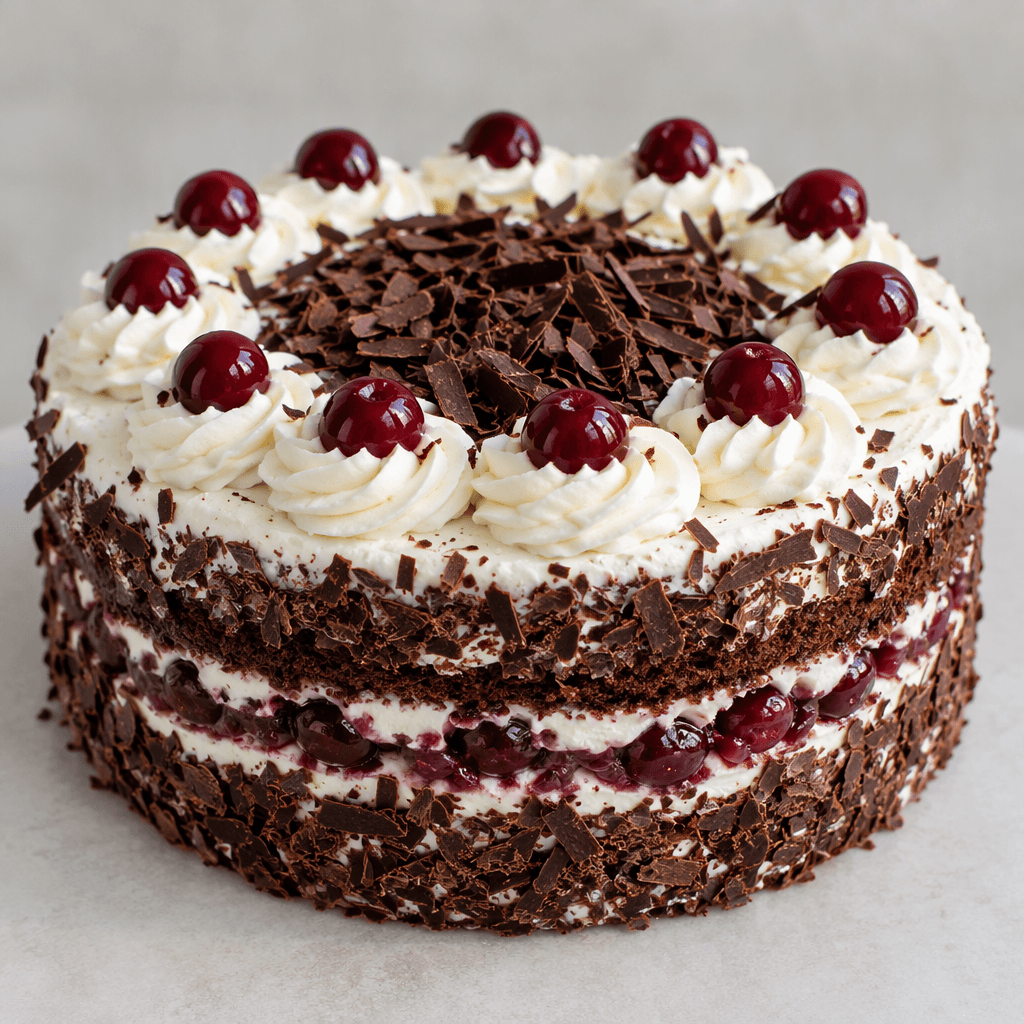
German Cake Calories
Rich, creamy, chocolate German cake
In season: Spring · Summer · Autumn · Winter
CALORIES
GI
POTASSIUM
FIBER
Quick answer
1 slice (medium) of German Cake (80 g) has 272 calories. That works out to 340 calories per 100 g. It contains 36.8 g of carbs, 3.4 g of protein, 12.8 g of fat and 1.2 g of fiber. Its 6 µg of Selenium covers 11% of the Daily Value. Its glycemic index is 65 (high), so it raises blood sugar quickly.
What is German Cake?
German Cake, as the name is used on Turkish bakery menus, is typically a soft, lightly sweetened cake or bun split and filled with cream. Recipes vary: some finish it with a dusting of icing sugar, while others add chocolate, making for a richer, more dessert-like version. It is not one single fixed recipe, so the filling and topping can differ between bakeries and home kitchens.
The contrast between tender cake and cool, creamy filling makes it a popular treat with tea or coffee and for celebrations. It is energy-dense, with most of its energy coming from carbohydrate and fat and relatively little protein. For a lighter serving, choose a smaller slice or pair it with fresh fruit rather than another sweet.
German Cake Nutrition Facts
Selected: 100 g
340
KCAL / 100G
Carbs
46g
· 17% DV
Protein
4.2g
· 8% DV
Fat
16g
· 21% DV
Fiber
1.5g
· 5% DV
DV is the share of the daily value covered, on a 2,000 kcal reference diet.
Calories come from: Carbs 53% · Protein 5% · Fat 42%
German Cake Vitamins & Minerals
Vitamins
B2
0.13mg · 10% DV
B1
0.09mg · 8% DV
Biotin
2.5µg · 8% DV
B12
0.18µg · 8% DV
Minerals
Selenium
7.5µg · 14% DV
Phosphorus
85mg · 12% DV
Zinc
1mg · 9% DV
Sodium
210mg · 9% DV
How Nutritious Is German Cake?
Nutrient density
Low
How many vitamins, minerals and how much fiber this food carries per calorie. A high score means a lot of nutrition for few calories.
Satiety score
Low
An EatBetter score computed from fiber, protein and calorie density. A high score means staying full longer on the same calories.
Both scores are calculated per 100 g and do not change with the selected portion. The satiety score is EatBetter's own calculation, not a clinical measure.
German Cake Glycemic Index
GLYCEMIC INDEX
GLYCEMIC LOAD
Accounts for portion size — a more realistic measure than GI alone.
How to Burn Off German Cake
To burn the 340 calories in 100 g:
🚶
Walking (5 km/h)
🏃
Running (8 km/h)
🚴
Cycling
🏊
Swimming
Times are calculated with the MET equation for a 70 kg adult. Actual burn varies with your weight, age and pace.
Is German Cake Processed?
NOVA 3
Processed
1. Unprocessed
2. Minimally Processed
3. Processed
4. Ultra-Processed
NOVA classifies foods into 4 groups by industrial processing. NOVA 1 (unprocessed) is the healthiest.
Does German Cake Contain Allergens?
Contains these allergens:
Which Diets Is German Cake Good For?
Vegan
— Not suitable
Vegetarian
— Not suitable
Gluten-Free
— Not suitable
Dairy-Free
— Not suitable
Mediterranean
✓ Suitable
Paleo
— Not suitable
Whole30
— Not suitable
DASH
— Not suitable
Keto
— Not suitable
Low FODMAP
— Not suitable
German Cake Fat Profile
SATURATED
7.5g
MONOUNSATURATED
5.2g
POLYUNSATURATED
2.1g
Omega 6:3 ratio 30:1
Above the ideal 4:1 (30:1).
Compare German Cake
Foods Similar to German Cake
Frequently Asked Questions About German Cake
What is German Cake?
German Cake, known in Turkey as Alman pastası, is commonly a soft yeast-raised cake split and filled with pastry cream, then finished with powdered sugar. Recipes vary, and the name does not refer to just one standardized cake worldwide.
Is German Cake the same as German chocolate cake?
No. German Cake in the Turkish Alman pastası style is usually yeast-raised and filled with pastry cream. German chocolate cake is a different cake associated with the United States, typically topped with a coconut-and-pecan frosting.
How do you make German Cake?
Make a soft yeast dough, let it rise, bake it, and cool it completely before splitting and filling it with pastry cream. Filling the cake while warm can melt the cream and make the layers difficult to handle.
What filling goes in German Cake?
Pastry cream is the usual filling for German Cake made in the Alman pastası style. It is cooked from milk, egg yolks, sugar, and a thickener; cool it thoroughly before spreading so it does not run out of the cake.
Does German Cake contain yeast?
The Turkish-style German Cake called Alman pastası is traditionally made with yeast, which gives its dough a soft, bread-like crumb. Some recipes use other cake batters, so the exact texture can vary between bakeries and home recipes.
Why did my German Cake dough not rise?
German Cake dough may fail to rise if the yeast is inactive, the liquid was too hot, or the dough was left somewhere cold. Use lukewarm rather than hot liquid and let the covered dough rise in a comfortably warm place.
How should you store German Cake?
Store cream-filled German Cake covered in the refrigerator because pastry cream spoils more readily at room temperature. For the freshest texture, eat it within a few days and avoid leaving it out for extended periods when serving.
Can you freeze German Cake?
You can freeze German Cake, but pastry cream may turn watery or grainy after thawing. For better results, freeze the baked cake layers before filling them, then thaw and add freshly made pastry cream before serving.
Why is my German Cake soggy?
German Cake can become soggy when warm cake is filled with cream, or when the filled cake sits for a long time and absorbs moisture. Cool the cake fully before filling and keep it covered in the refrigerator.
What do you serve with German Cake?
Coffee or tea pairs well with German Cake because their mild bitterness balances its sweet pastry cream. Serve it chilled or briefly rested at room temperature, rather than warming the filled cake, which can soften the cream too much.
Have another question about German Cake?
Ask the AI nutrition coach — calories, portions, alternatives and more, answered in seconds in the app.

Scan calories with your camera
Instant AI nutrition analysis

Nutrition data compiled from USDA FoodData Central and scientific sources.