

Ready & Packaged Foods
All →Vegetables & Legumes
All →Desserts & Confectionery
All →Meat & Protein
All →Grains & Bakery
All →Beverages
All →Milk & Dairy
All →

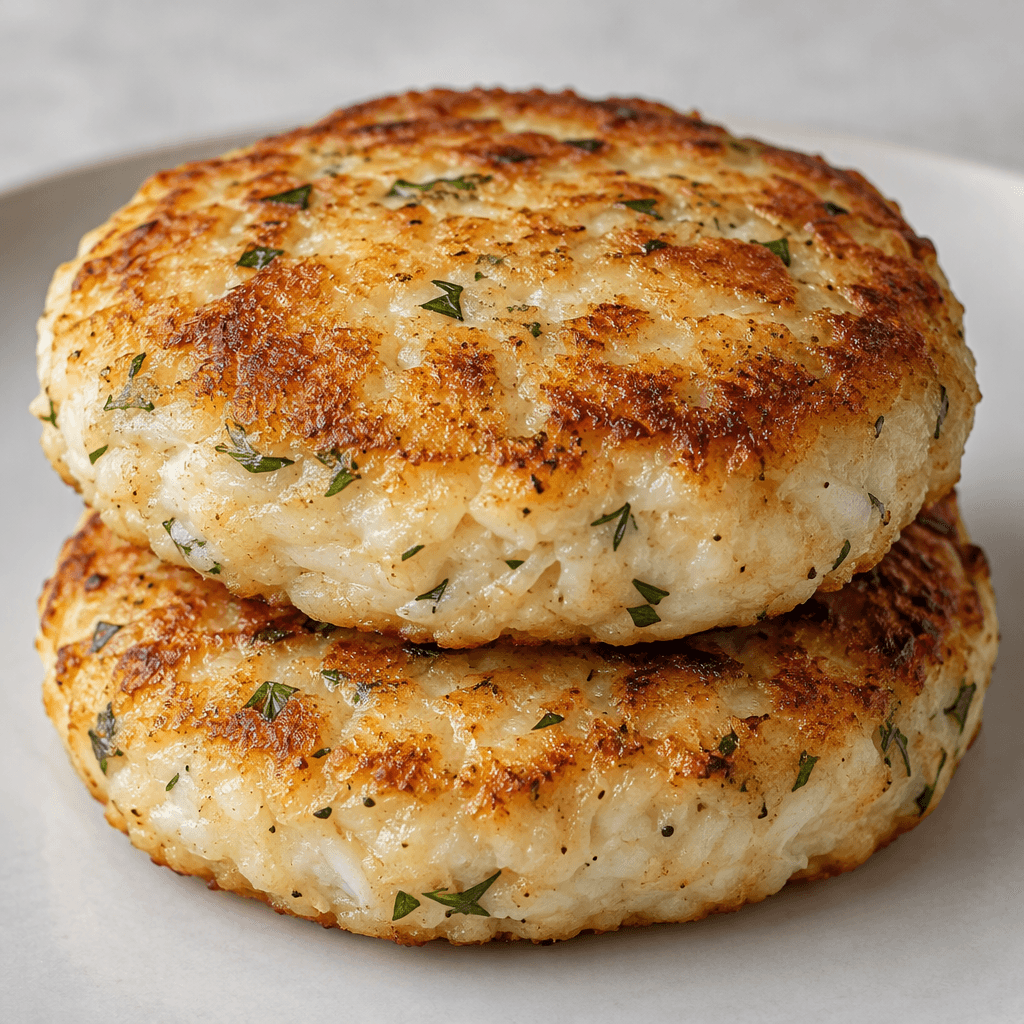
Fish cake Calories
Protein-rich, moderate fat, usually fried or baked, contains fish and potato
In season: Spring · Summer · Autumn · Winter
CALORIES · 100 G
GI
POTASSIUM · 100 G
FIBER · 100 G
Quick answer
1 piece (medium) of Fish cake (70 g) has 126 calories. That works out to 180 calories per 100 g. It contains 11.2 g of carbs, 8.4 g of protein, 4.9 g of fat and 0.8 g of fiber. Its 0.8 µg of B12 covers 32% of the Daily Value. Its glycemic index is 45 (low), so it raises blood sugar slowly.
Fish cake Nutrition Facts
Selected: 1 piece (medium) · 70 g
126
KCAL / 70G
Carbs
11.2g
· 4% DV
Protein
8.4g
· 17% DV
Fat
4.9g
· 6% DV
Fiber
0.8g
· 3% DV
DV is the share of the daily value covered, on a 2,000 kcal reference diet.
Calories come from: Carbs 37% · Protein 27% · Fat 36%
Fish cake nutrition facts table · 1 piece (medium) (70 g)
| Nutrient | Amount | % DV |
|---|---|---|
| Calories | 126 kcal | |
| Total fat | 4.9 g | 6% |
| Saturated fat | 1.05 g | 5% |
| Trans fat | 0.03 g | |
| Sodium | 245 mg | 11% |
| Total carbohydrate | 11.2 g | 4% |
| Fiber | 0.8 g | 3% |
| Protein | 8.4 g | 17% |
Calories: Calories measure energy. Average daily need is 2,000 kcal. Excess calories are stored as fat, too few cause weight loss.
Carbs: Your body's primary energy source. The brain runs exclusively on carbs. Daily need: 275g.
Protein: Essential for muscle repair and cell growth. Daily need: 50g. Keeps you full and boosts metabolism.
Fat: Needed for hormone production and vitamin absorption. Daily need: 78g. Limit saturated fats, choose unsaturated.
Fiber: Critical for digestive health and satiety. Daily need: 28g. Stabilizes blood sugar, lowers cholesterol.

Log this food in EatBetter
100,000+ people use it
- Get your daily calorie target
- Snap your meal, log it in seconds
- See every vitamin and mineral

📸 Scan the code to get the app free.

How Many Calories in 1 Medium Fish cake?
| Serving | Amount | Calories |
|---|---|---|
| 1 piece (medium) | 70 g | 126 kcal |
| 1 piece (mini) | 25 g | 45 kcal |
| 1 piece (small) | 40 g | 72 kcal |
| 100 g | 100 g | 180 kcal |
| 1 piece (large) | 120 g | 216 kcal |
| 2 piece (double) | 140 g | 252 kcal |
| 1 serving (medium) | 150 g | 270 kcal |
| 1 serving (large) | 250 g | 450 kcal |
| 1 pack (whole) | 300 g | 540 kcal |
Calculated from 180 calories per 100 g.
Frequently Asked Questions About Fish cake
What is a fish cake?
A fish cake is a patty made by combining fish, often with mashed potato, then shaping and cooking the mixture. Recipes vary: some are coated in breadcrumbs and fried, while others are baked or served with a sauce.
How do you make fish cakes?
To make fish cakes, flake cooked, boneless fish and mix it with mashed potato, seasoning, and herbs. Shape the mixture into patties, coat them in breadcrumbs if desired, then fry or bake until golden and hot throughout.
Why do fish cakes fall apart when cooking?
Fish cakes usually fall apart because the mixture is too wet, warm, or loosely packed. Drain the fish and potato well, chill the shaped patties before cooking, and add a little more binder such as breadcrumbs if the mixture still feels soft.
What fish is best for fish cakes?
Mild, flaky fish such as cod, haddock, or pollock works well in fish cakes, while salmon gives them a richer flavor. Freshly cooked fish and suitable leftovers both work; remove every bone before mixing the fish into the patties.
Can you bake fish cakes instead of frying them?
Yes, fish cakes can be baked instead of fried. Brush or spray the patties lightly with oil and bake until golden and piping hot in the center. Baking uses less added oil, while pan-frying gives the outside a crispier crust.
Can you freeze fish cakes?
Yes, fish cakes freeze well. Freeze them in a single layer first so they do not stick together, then transfer them to a sealed container. Thaw in the refrigerator before reheating, and heat until the center is thoroughly hot.
What should you serve with fish cakes?
Fish cakes pair well with a crisp salad, steamed vegetables, or peas, plus lemon wedges or a tangy sauce. For a heartier meal, serve them with bread or potatoes; a fresh, acidic side balances their rich, savory flavor.
How long do cooked fish cakes last in the fridge?
Cooked fish cakes keep in the refrigerator for a few days when cooled promptly and stored in a covered container. Reheat only the portion you plan to eat, until it is hot throughout, and discard any that sat out for too long.
Can you eat fish cakes cold?
Yes, you can eat fish cakes cold if they were cooked thoroughly, cooled promptly, and kept refrigerated. They work well in a lunchbox or salad, but should not be eaten cold after being left at room temperature for an extended period.
Are fish cakes healthy?
Fish cakes can be a nourishing way to eat fish, which provides protein, but their overall nutritional profile varies with the recipe. Baking them and serving them with vegetables can keep the meal lighter than deep-frying and pairing them with rich sides.
Fish cake Vitamins & Minerals
Vitamins
B12
0.77µg · 32% DV
B6
0.11mg · 6% DV
Biotin
1.75µg · 6% DV
B5
0.28mg · 6% DV
Minerals
Selenium
9.1µg · 17% DV
Iodine
18µg · 12% DV
Phosphorus
77mg · 11% DV
Sodium
245mg · 11% DV
Potassium ⭐
189mg · 6% DV
Fish cake Glycemic Index
GLYCEMIC INDEX
GLYCEMIC LOAD
Accounts for portion size — a more realistic measure than GI alone.
How to Burn Off Fish cake
To burn the 126 calories in 1 piece (medium) (70 g):
🚶
Walking (5 km/h)
🏃
Running (8 km/h)
🚴
Cycling
🏊
Swimming
Times are calculated with the MET equation for a 70 kg adult. Actual burn varies with your weight, age and pace.
What is Fish cake?
Fish cake is a formed patty made with flaked or minced fish, often mixed with potato and seasonings. Recipes vary by region: some use breadcrumbs or other binders, and the cakes may be fried or baked. They are usually tender inside, with a browned outer crust, and served warm.
In Britain, fish cakes are a familiar home-cooked dish, often served with vegetables or salad; elsewhere, they may be eaten as a snack or part of a larger meal. They provide protein alongside carbohydrates from the potato: a 100 g portion contains 12 g of protein. For a lighter plate, bake rather than fry them and pair with greens and lemon.
How Nutritious Is Fish cake?
Nutrient density
Medium
How many vitamins, minerals and how much fiber this food carries per calorie. A high score means a lot of nutrition for few calories.
Satiety score
Medium
An EatBetter score computed from fiber, protein and calorie density. A high score means staying full longer on the same calories.
Both scores are calculated per 100 g and do not change with the selected portion. The satiety score is EatBetter's own calculation, not a clinical measure.
Is Fish cake Processed?
NOVA 3
Processed
1. Unprocessed
2. Minimally Processed
3. Processed
4. Ultra-Processed
NOVA classifies foods into 4 groups by industrial processing. NOVA 1 (unprocessed) is the healthiest.
Does Fish cake Contain Allergens?
Contains these allergens:
Which Diets Is Fish cake Good For?
Vegan
— Not suitable
Vegetarian
— Not suitable
Gluten-Free
— Not suitable
Dairy-Free
— Not suitable
Mediterranean
✓ Suitable
Paleo
— Not suitable
Whole30
— Not suitable
DASH
— Not suitable
Keto
— Not suitable
Low FODMAP
— Not suitable
Fish cake Fat Profile
SATURATED
1.05g
MONOUNSATURATED
1.54g
POLYUNSATURATED
0.77g
Omega 6:3 ratio 0.7:1
Below the ideal 4:1 — a good omega balance.
Compare Fish cake
Foods Similar to Fish cake
Have another question about Fish cake?
Ask the AI nutrition coach — calories, portions, alternatives and more, answered in seconds in the app.

Scan calories with your camera
Instant AI nutrition analysis

Nutrition data compiled from USDA FoodData Central and scientific sources.