

Ready & Packaged Foods
All →Vegetables & Legumes
All →Desserts & Confectionery
All →Meat & Protein
All →Grains & Bakery
All →Beverages
All →Milk & Dairy
All →

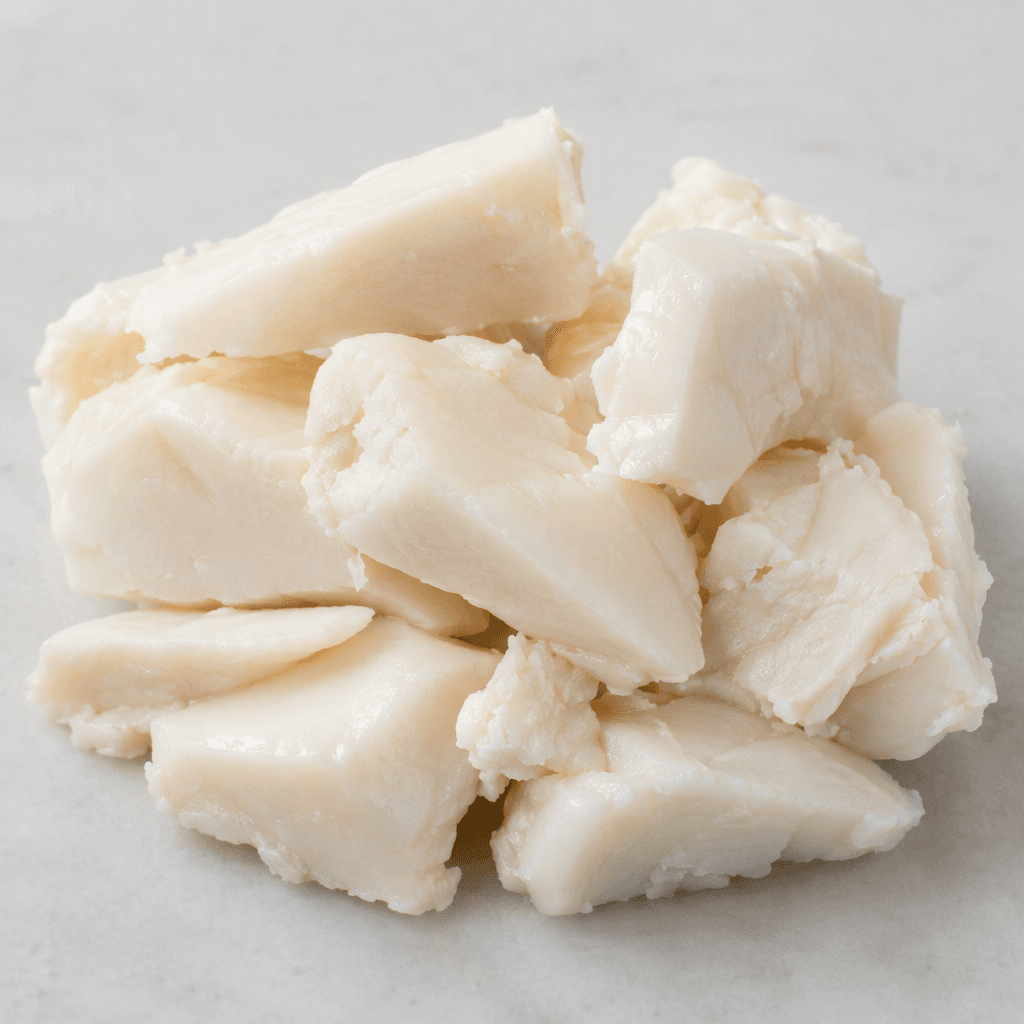
Beef fat Calories
High energy, saturated fat, source of vitamins A and E
CALORIES
GI
POTASSIUM
FIBER
Quick answer
1 tablespoon (medium) of Beef fat (13 g) has 117 calories. That works out to 897 calories per 100 g. It contains 0 g of carbs, 0 g of protein, 13 g of fat and 0 g of fiber. Its glycemic index is 0 (low), so it raises blood sugar slowly.
What is Beef fat?
Beef fat is the firm fat trimmed from or found around beef. Solid and pale when cool, it melts when heated; when rendered and strained, it can be kept as a cooking fat, often called tallow.
In traditional cooking, it is used sparingly to add richness to roasted or pan-fried meat, and sometimes to savoury pastries or other hearty dishes. Its flavour is full and savoury, and a little can go a long way. Beef fat is highly energy-dense and almost entirely fat: it contains 99.7 g of fat per 100 g. For a lighter dish, use a small amount and account for the fat released by the meat as it cooks.
Beef fat Nutrition Facts
Selected: 100 g
897
KCAL / 100G
Carbs
0g
· 0% DV
Protein
0g
· 0% DV
Fat
99.7g
· 128% DV
Fiber
0g
· 0% DV
DV is the share of the daily value covered, on a 2,000 kcal reference diet.
Calories come from: Carbs 0% · Protein 0% · Fat 100%
Beef fat Vitamins & Minerals
Vitamins
Vitamin E
1.8mg · 12% DV
Vitamin D
2µg · 10% DV
Vitamin A
35µg · 4% DV
Vitamin K
3µg · 3% DV
Minerals
Phosphorus
11mg · 2% DV
Sodium
18mg · 1% DV
Calcium
2mg · 0% DV
Iron
0mg · 0% DV
How Nutritious Is Beef fat?
Nutrient density
Low
How many vitamins, minerals and how much fiber this food carries per calorie. A high score means a lot of nutrition for few calories.
Satiety score
Low
An EatBetter score computed from fiber, protein and calorie density. A high score means staying full longer on the same calories.
Both scores are calculated per 100 g and do not change with the selected portion. The satiety score is EatBetter's own calculation, not a clinical measure.
Beef fat Glycemic Index
GLYCEMIC INDEX
GLYCEMIC LOAD
Accounts for portion size — a more realistic measure than GI alone.
How to Burn Off Beef fat
To burn the 897 calories in 100 g:
🚶
Walking (5 km/h)
🏃
Running (8 km/h)
🚴
Cycling
🏊
Swimming
Times are calculated with the MET equation for a 70 kg adult. Actual burn varies with your weight, age and pace.
Is Beef fat Processed?
NOVA 2
Minimally Processed
1. Unprocessed
2. Minimally Processed
3. Processed
4. Ultra-Processed
NOVA classifies foods into 4 groups by industrial processing. NOVA 1 (unprocessed) is the healthiest.
Does Beef fat Contain Allergens?
No known major allergens
Which Diets Is Beef fat Good For?
Vegan
— Not suitable
Vegetarian
— Not suitable
Gluten-Free
✓ Suitable
Dairy-Free
— Not suitable
Mediterranean
✓ Suitable
Paleo
✓ Suitable
Whole30
— Not suitable
DASH
— Not suitable
Keto
✓ Suitable
Low FODMAP
— Not suitable
Beef fat Fat Profile
SATURATED
50g
MONOUNSATURATED
42g
POLYUNSATURATED
4g
Omega 6:3 ratio 2:1
Below the ideal 4:1 — a good omega balance.
Compare Beef fat
Foods Similar to Beef fat
Frequently Asked Questions About Beef fat
What is beef fat called when it has been rendered?
Rendered beef fat is usually called tallow. It is made by slowly heating beef fat until the fat melts, then straining out the solid pieces; it is commonly used for frying and roasting.
Can you cook with beef fat?
Yes, beef fat can be used for cooking, especially after it has been rendered and strained. It works well for frying, roasting vegetables, or searing meat, and gives food a distinctive savory flavor.
Is beef fat good for frying?
Yes, rendered beef fat is suitable for frying because it tolerates high cooking heat. Keep the temperature controlled and remove the pan from the heat if the fat starts smoking, as overheated fat can taste burnt.
What is the difference between beef fat and tallow?
Beef fat is the raw fat trimmed from the animal, while tallow is beef fat that has been melted and strained. Tallow is the shelf-ready cooking fat; raw beef fat needs rendering before it can be used that way.
How do you render beef fat at home?
To render beef fat, chop it into small pieces and heat it slowly in a heavy pan, adding a little water to help prevent scorching. Strain the melted fat once the solid pieces have browned, then cool it before storing.
How should beef fat be stored?
Store raw beef fat in a sealed container in the refrigerator and keep it separate from ready-to-eat food. Put rendered beef fat in a clean, airtight container after it has cooled; discard it if its smell or appearance changes.
Can you freeze beef fat?
Yes, beef fat freezes well. Divide raw fat into portions and seal them tightly before freezing, or freeze rendered fat in a covered container. Thaw it in the refrigerator and avoid refreezing it once thawed.
Can beef fat replace butter or oil in recipes?
Beef fat can replace butter or oil in some savory recipes, but its strong, meaty flavor changes the result. It is better suited to roasting or frying than to cakes, cookies, or other delicately flavored baking.
Does beef fat make food taste beefy?
Yes, beef fat gives food a rich, savory flavor that can be noticeable even in small amounts. It suits potatoes, roasted vegetables, and meat dishes, but may overpower foods where a neutral taste is important.
Is beef fat unhealthy to eat often?
Eating beef fat frequently can raise your intake of saturated fat, so it is best used in moderation. For everyday cooking, you can vary it with unsaturated oils such as olive or canola oil.
Have another question about Beef fat?
Ask the AI nutrition coach — calories, portions, alternatives and more, answered in seconds in the app.

Scan calories with your camera
Instant AI nutrition analysis

Nutrition data compiled from USDA FoodData Central and scientific sources.