

Ready & Packaged Foods
All →Vegetables & Legumes
All →Desserts & Confectionery
All →Meat & Protein
All →Grains & Bakery
All →Beverages
All →Milk & Dairy
All →

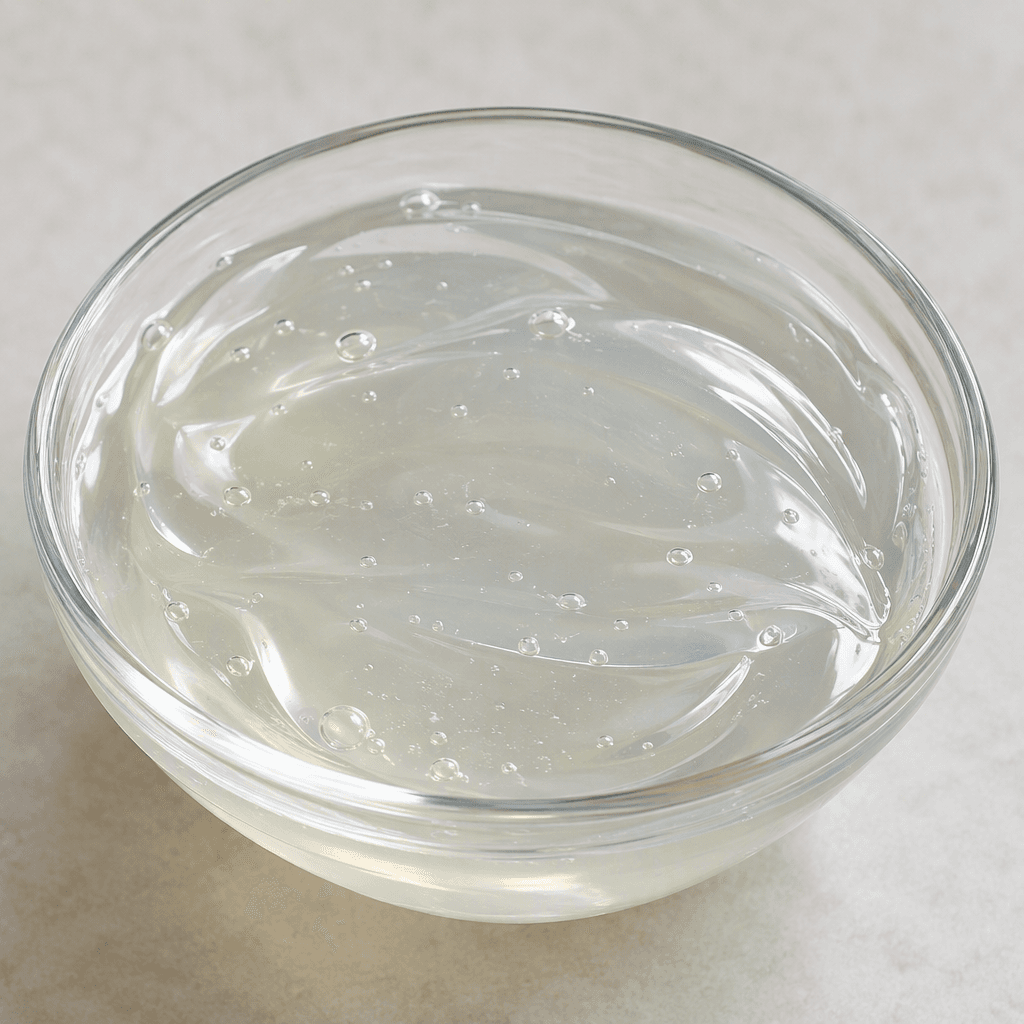
Egg White (Raw) Calories
Low calorie, high protein, fat-free
In season: Spring · Summer · Autumn · Winter
CALORIES
GI
POTASSIUM
FIBER
Quick answer
1 piece (medium) of Egg White (Raw) (33 g) has 17 calories. That works out to 52 calories per 100 g. It contains 0.2 g of carbs, 3.6 g of protein, 0.1 g of fat and 0 g of fiber. Its 6.6 µg of Selenium covers 12% of the Daily Value. Its glycemic index is 0 (low), so it raises blood sugar slowly.
What is Egg White (Raw)?
Raw egg white is the clear, slightly viscous part of an egg, separated from the yolk. It is an ingredient rather than a dish, and is used in many cuisines in omelettes, baking and meringues. Whisking gives it a foamy volume; cooking makes it tender and more set. In everyday cooking, it can enrich a breakfast omelette or add lightness to cakes and desserts. It is high in protein and very low in fat, with 10.9 g of protein per 100 g. Pair it with vegetables for a lighter savoury meal, or whisk it into a recipe that needs lift. If a recipe calls for uncooked whites, pasteurised egg whites are a practical choice.
Egg White (Raw) Nutrition Facts
Selected: 100 g
52
KCAL / 100G
Carbs
0.7g
· 0% DV
Protein
10.9g
· 22% DV
Fat
0.2g
· 0% DV
Fiber
0g
· 0% DV
DV is the share of the daily value covered, on a 2,000 kcal reference diet.
Calories come from: Carbs 6% · Protein 90% · Fat 4%
Egg White (Raw) Vitamins & Minerals
Vitamins
B2
0.43mg · 33% DV
Biotin
2µg · 7% DV
B5
0.3mg · 6% DV
B12
0.09µg · 4% DV
Minerals
Selenium
20µg · 36% DV
Sodium
166mg · 7% DV
Potassium ⭐
163mg · 5% DV
Iodine
6µg · 4% DV
How Nutritious Is Egg White (Raw)?
Nutrient density
High
How many vitamins, minerals and how much fiber this food carries per calorie. A high score means a lot of nutrition for few calories.
Satiety score
Medium
An EatBetter score computed from fiber, protein and calorie density. A high score means staying full longer on the same calories.
Both scores are calculated per 100 g and do not change with the selected portion. The satiety score is EatBetter's own calculation, not a clinical measure.
Egg White (Raw) Glycemic Index
GLYCEMIC INDEX
GLYCEMIC LOAD
Accounts for portion size — a more realistic measure than GI alone.
How to Burn Off Egg White (Raw)
To burn the 52 calories in 100 g:
🚶
Walking (5 km/h)
🏃
Running (8 km/h)
🚴
Cycling
🏊
Swimming
Times are calculated with the MET equation for a 70 kg adult. Actual burn varies with your weight, age and pace.
Is Egg White (Raw) Processed?
NOVA 1
Unprocessed
1. Unprocessed
2. Minimally Processed
3. Processed
4. Ultra-Processed
NOVA classifies foods into 4 groups by industrial processing. NOVA 1 (unprocessed) is the healthiest.
Does Egg White (Raw) Contain Allergens?
Contains these allergens:
Which Diets Is Egg White (Raw) Good For?
Vegan
— Not suitable
Vegetarian
✓ Suitable
Gluten-Free
✓ Suitable
Dairy-Free
— Not suitable
Mediterranean
✓ Suitable
Paleo
✓ Suitable
Whole30
— Not suitable
DASH
— Not suitable
Keto
✓ Suitable
Low FODMAP
— Not suitable
Egg White (Raw) Fat Profile
SATURATED
0.01g
MONOUNSATURATED
0.03g
POLYUNSATURATED
0.04g
Omega 6:3 ratio 3:1
Below the ideal 4:1 — a good omega balance.
Compare Egg White (Raw)
Foods Similar to Egg White (Raw)
Frequently Asked Questions About Egg White (Raw)
Can raw egg whites make you sick?
Yes, raw egg whites can carry Salmonella and cause food poisoning. Use pasteurized egg whites in recipes that will not be cooked; young children, pregnant people, older adults, and anyone with a weakened immune system should avoid raw eggs.
Are raw egg whites better for muscle building than cooked egg whites?
No, raw egg whites are not better for building muscle. Their protein is less digestible than the protein in cooked egg whites, so cooking them is a more effective way to make that protein available to your body.
Can you eat carton egg whites raw?
Only if the carton says the egg whites are pasteurized and suitable for uncooked use. Many cartons contain pasteurized whites, but follow the product’s storage instructions and avoid using a carton that is damaged or past its use-by date.
How long do raw egg whites last in the fridge after separating?
Separated raw egg whites usually keep for 2–4 days in a clean, covered container in the refrigerator. Refrigerate them promptly after separating, rather than leaving them out while you prepare other ingredients.
Can you freeze raw egg whites?
Yes, raw egg whites freeze well. Seal them in a freezer-safe container, leaving a little room for expansion, then thaw them in the refrigerator and use them soon after thawing. Do not refreeze thawed egg whites.
Why won’t raw egg whites whip into stiff peaks?
Even a trace of yolk or grease can stop raw egg whites from forming stable peaks. Use a completely clean, dry bowl and beaters, and separate the eggs carefully so no yolk gets into the whites.
Can raw egg whites cause a biotin deficiency?
They can contribute to biotin deficiency if eaten in large amounts regularly. Avidin in raw egg whites binds biotin and reduces its absorption; cooking deactivates avidin, so cooked egg whites do not have the same effect.
Can you use raw egg whites in cocktails?
Yes, bartenders use raw egg whites to create a foamy cocktail texture, but they do not make the drink safer. Choose pasteurized egg whites for cocktails served uncooked, and keep them refrigerated until use.
Can dogs eat raw egg whites?
It is safer not to give dogs raw egg whites. They can carry harmful bacteria, and avidin can interfere with biotin when raw whites are fed often; plain, fully cooked egg white is a safer occasional treat.
Do raw egg whites need to be room temperature for meringue?
No, raw egg whites do not have to reach room temperature to whip, though they generally whip faster when they are not cold. Make sure the bowl and beaters are grease-free, and use pasteurized whites if the meringue will remain uncooked.
Have another question about Egg White (Raw)?
Ask the AI nutrition coach — calories, portions, alternatives and more, answered in seconds in the app.

Scan calories with your camera
Instant AI nutrition analysis

Nutrition data compiled from USDA FoodData Central and scientific sources.