

Ready & Packaged Foods
All →Vegetables & Legumes
All →Desserts & Confectionery
All →Meat & Protein
All →Grains & Bakery
All →Beverages
All →Milk & Dairy
All →

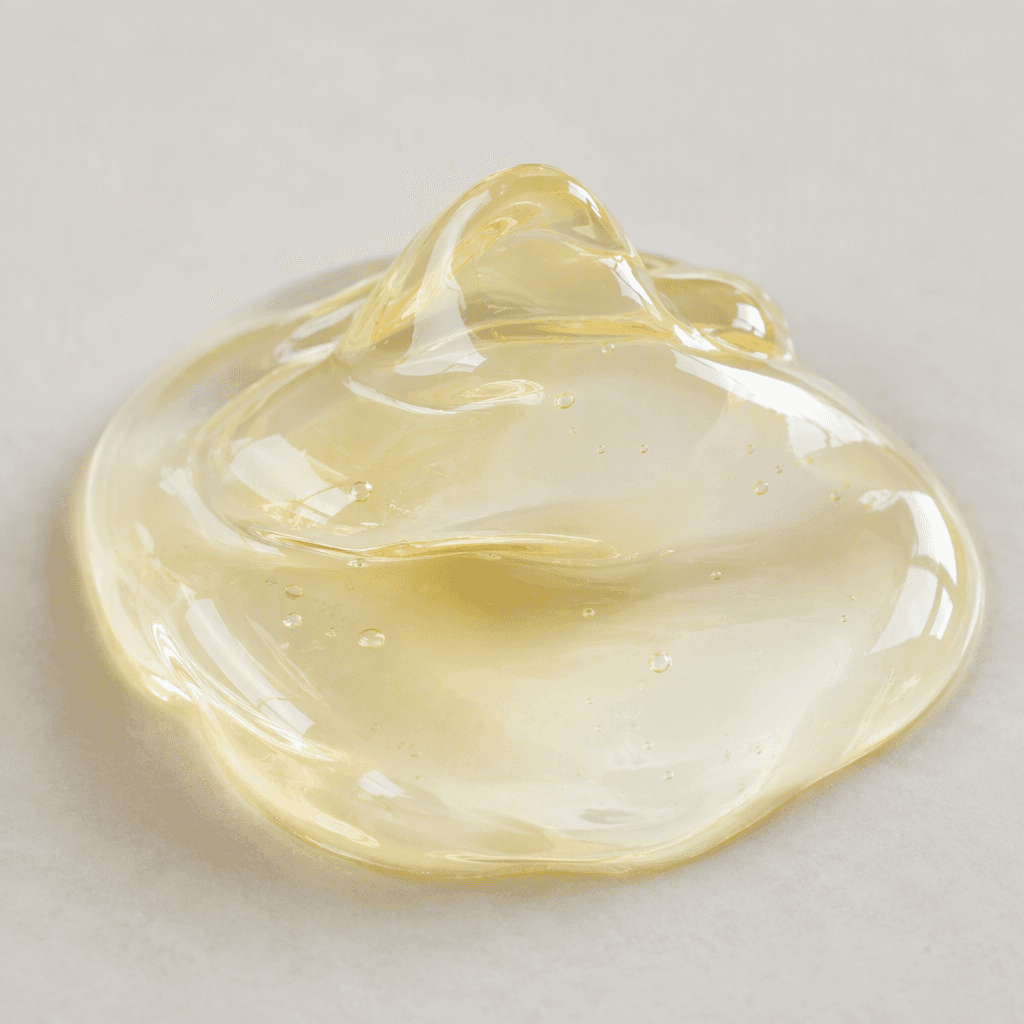
Egg white Calories
High protein, low fat, cholesterol-free
In season: Spring · Summer · Autumn · Winter
CALORIES
GI
POTASSIUM
FIBER
Quick answer
1 piece (medium) of Egg white (33 g) has 17 calories. That works out to 52 calories per 100 g. It contains 0.2 g of carbs, 3.6 g of protein, 0.1 g of fat and 0 g of fiber. Its 6.6 µg of Selenium covers 12% of the Daily Value. Its glycemic index is 0 (low), so it raises blood sugar slowly.
What is Egg white?
Egg white is the clear, slightly viscous portion of an egg left when the yolk is separated. It turns opaque as it cooks and becomes foamy when whipped, making it useful in both savoury dishes and baking, from omelettes to meringues.
Across many English-speaking kitchens, it is cooked for breakfast with vegetables or folded into an omelette; in baking, whipped egg white gives mixtures lift and a light texture. Its flavour is mild, so herbs, spices and other ingredients readily take the lead. Egg white is high in protein and very low in fat. For a simple lighter meal, cook it with vegetables in a non-stick pan, or use it alongside a whole egg for a richer taste.
Egg white Nutrition Facts
Selected: 100 g
52
KCAL / 100G
Carbs
0.7g
· 0% DV
Protein
10.9g
· 22% DV
Fat
0.2g
· 0% DV
Fiber
0g
· 0% DV
DV is the share of the daily value covered, on a 2,000 kcal reference diet.
Calories come from: Carbs 6% · Protein 90% · Fat 4%
Egg white Vitamins & Minerals
Vitamins
B2
0.43mg · 33% DV
Biotin
2µg · 7% DV
B5
0.3mg · 6% DV
B12
0.09µg · 4% DV
Minerals
Selenium
20µg · 36% DV
Sodium
166mg · 7% DV
Iodine
10µg · 7% DV
Potassium ⭐
163mg · 5% DV
How Nutritious Is Egg white?
Nutrient density
High
How many vitamins, minerals and how much fiber this food carries per calorie. A high score means a lot of nutrition for few calories.
Satiety score
Medium
An EatBetter score computed from fiber, protein and calorie density. A high score means staying full longer on the same calories.
Both scores are calculated per 100 g and do not change with the selected portion. The satiety score is EatBetter's own calculation, not a clinical measure.
Egg white Glycemic Index
GLYCEMIC INDEX
GLYCEMIC LOAD
Accounts for portion size — a more realistic measure than GI alone.
How to Burn Off Egg white
To burn the 52 calories in 100 g:
🚶
Walking (5 km/h)
🏃
Running (8 km/h)
🚴
Cycling
🏊
Swimming
Times are calculated with the MET equation for a 70 kg adult. Actual burn varies with your weight, age and pace.
Is Egg white Processed?
NOVA 1
Unprocessed
1. Unprocessed
2. Minimally Processed
3. Processed
4. Ultra-Processed
NOVA classifies foods into 4 groups by industrial processing. NOVA 1 (unprocessed) is the healthiest.
Does Egg white Contain Allergens?
Contains these allergens:
Which Diets Is Egg white Good For?
Vegan
— Not suitable
Vegetarian
✓ Suitable
Gluten-Free
✓ Suitable
Dairy-Free
— Not suitable
Mediterranean
✓ Suitable
Paleo
✓ Suitable
Whole30
— Not suitable
DASH
— Not suitable
Keto
✓ Suitable
Low FODMAP
— Not suitable
Egg white Fat Profile
SATURATED
0.01g
MONOUNSATURATED
0.01g
POLYUNSATURATED
0.01g
Compare Egg white
Foods Similar to Egg white
Frequently Asked Questions About Egg white
Is it safe to eat raw egg white?
It is safer not to eat raw egg white because raw eggs can carry Salmonella, and a protein in uncooked whites can interfere with biotin absorption. Cook egg white thoroughly, or use pasteurized egg whites in recipes that stay raw.
How do you whip egg white into stiff peaks?
Use a completely clean, dry bowl and whisk, with no yolk mixed into the egg white. Start beating until foamy, then continue until peaks form; add sugar gradually if the recipe calls for it.
How long does raw egg white last in the fridge?
Raw egg white keeps for about 2–4 days in the refrigerator when stored in a clean, covered container. Refrigerate it promptly rather than leaving it at room temperature, and discard it if its smell or appearance seems unusual.
Can you freeze egg white?
Yes, egg white freezes well. Store it in an airtight freezer-safe container, then thaw it in the refrigerator before use. Thawed egg white may whip a little differently, but it works well in cooked dishes and many baking recipes.
Why won't my egg white whip?
Egg white often fails to whip when the bowl or whisk has traces of grease, or when even a little yolk gets into it. Use clean, dry equipment, separate the egg carefully, and avoid plastic bowls that can retain grease.
How do you make meringue with egg white?
To make meringue, beat egg white in a clean, dry bowl until foamy, then add sugar gradually while whisking until glossy peaks form. Bake it at a low temperature so it dries without browning too quickly.
How do you separate egg white from the yolk?
Crack the egg into a small bowl, then lift out the yolk with clean fingers or an egg separator. Separating each egg into its own bowl helps prevent one broken yolk from contaminating the other egg whites.
Can you use egg white instead of a whole egg in baking?
Sometimes, but egg white does not replace a whole egg perfectly: the yolk adds fat and helps create a richer, softer texture. It works best in recipes designed for egg white or where a lighter result is acceptable.
Is egg white better than a whole egg for protein?
Egg white provides protein with very little fat, while a whole egg also includes the yolk’s nutrients and fat. Neither is universally better; choose egg white when you want a leaner option, and whole egg when the recipe benefits from the yolk.
Does egg white help with weight loss?
Egg white can add protein to a meal, which may help it feel more filling, but it does not cause weight loss on its own. Pair it with vegetables or other satisfying foods rather than relying on egg white alone.
Have another question about Egg white?
Ask the AI nutrition coach — calories, portions, alternatives and more, answered in seconds in the app.

Scan calories with your camera
Instant AI nutrition analysis

Nutrition data compiled from USDA FoodData Central and scientific sources.