

Ready & Packaged Foods
All →Vegetables & Legumes
All →Desserts & Confectionery
All →Meat & Protein
All →Grains & Bakery
All →Beverages
All →Milk & Dairy
All →

Dessert Calories
Various desserts; typically sweet, flour-based and/or dairy-based
In season: Spring · Summer · Autumn · Winter
CALORIES
GI
POTASSIUM
FIBER
Quick answer
1 piece (medium) of Dessert (80 g) has 176 calories. That works out to 220 calories per 100 g. It contains 30.4 g of carbs, 2 g of protein, 5.6 g of fat and 0.8 g of fiber. Its 44 mg of Phosphorus covers 6% of the Daily Value. Its glycemic index is 70 (high), so it raises blood sugar quickly.
What is Dessert?
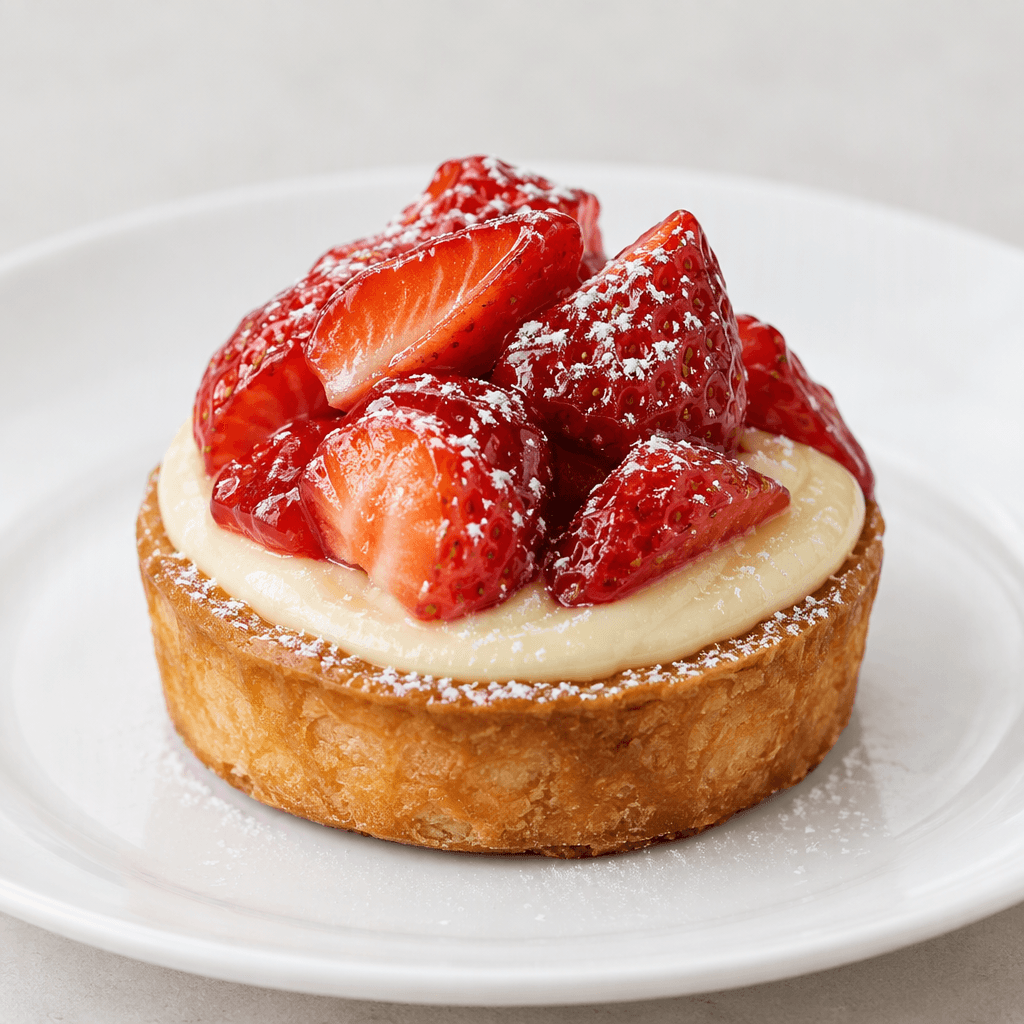
Dessert is a broad category rather than one particular recipe, covering everything from baked pastries and creamy puddings to fruit-based sweets. The pictured serving appears to pair a pastry base with a smooth cream layer and glossy fruit, but the name doesn’t specify an exact dish. That combination offers a contrast of tender or crisp pastry, soft cream and a brighter, tangy fruit topping.
Dessert is commonly served after a meal, with tea or coffee, or brought out for celebrations; the particular customs and recipes vary widely around the world. Many versions are sweet and rely on flour, dairy, or both, so a modest portion can be satisfying. If you prefer something lighter, choose a fruit-forward serving with less pastry or cream.
Dessert Nutrition Facts
Selected: 100 g
220
KCAL / 100G
Carbs
38g
· 14% DV
Protein
2.5g
· 5% DV
Fat
7g
· 9% DV
Fiber
1g
· 4% DV
DV is the share of the daily value covered, on a 2,000 kcal reference diet.
Calories come from: Carbs 68% · Protein 4% · Fat 28%
Dessert Vitamins & Minerals
Vitamins
B2
0.08mg · 6% DV
B12
0.15µg · 6% DV
Biotin
1.5µg · 5% DV
B5
0.2mg · 4% DV
Minerals
Phosphorus
55mg · 8% DV
Iron
1mg · 6% DV
Calcium
45mg · 5% DV
Selenium
2µg · 4% DV
How Nutritious Is Dessert?
Nutrient density
Low
How many vitamins, minerals and how much fiber this food carries per calorie. A high score means a lot of nutrition for few calories.
Satiety score
Low
An EatBetter score computed from fiber, protein and calorie density. A high score means staying full longer on the same calories.
Both scores are calculated per 100 g and do not change with the selected portion. The satiety score is EatBetter's own calculation, not a clinical measure.
Dessert Glycemic Index
GLYCEMIC INDEX
GLYCEMIC LOAD
Accounts for portion size — a more realistic measure than GI alone.
How to Burn Off Dessert
To burn the 220 calories in 100 g:
🚶
Walking (5 km/h)
🏃
Running (8 km/h)
🚴
Cycling
🏊
Swimming
Times are calculated with the MET equation for a 70 kg adult. Actual burn varies with your weight, age and pace.
Is Dessert Processed?
NOVA 3
Processed
1. Unprocessed
2. Minimally Processed
3. Processed
4. Ultra-Processed
NOVA classifies foods into 4 groups by industrial processing. NOVA 1 (unprocessed) is the healthiest.
Does Dessert Contain Allergens?
Contains these allergens:
Which Diets Is Dessert Good For?
Vegan
— Not suitable
Vegetarian
✓ Suitable
Gluten-Free
— Not suitable
Dairy-Free
— Not suitable
Mediterranean
— Not suitable
Paleo
— Not suitable
Whole30
— Not suitable
DASH
— Not suitable
Keto
— Not suitable
Low FODMAP
— Not suitable
Dessert Fat Profile
SATURATED
2.5g
MONOUNSATURATED
2.2g
POLYUNSATURATED
1.1g
Omega 6:3 ratio 15:1
Above the ideal 4:1 (15:1).
Compare Dessert
Foods Similar to Dessert
Frequently Asked Questions About Dessert
Why do people crave dessert after dinner?
Dessert cravings after dinner can come from habit, a desire for a sweet finish, or simply being hungry after a meal that was not filling enough. Try a more satisfying dinner first; if you still want dessert, choose a portion you can enjoy mindfully.
How long does dessert last in the fridge?
Most dairy- or egg-based desserts should be covered and refrigerated, then eaten within a few days. Dry baked desserts often keep longer at room temperature. Since recipes differ, follow any storage instructions and discard dessert that smells or looks spoiled.
Can you freeze dessert?
Yes, many desserts freeze well, especially unfrosted cakes, brownies, and cookies. Cream-filled, custard-based, or fresh-fruit desserts can turn watery or change texture after thawing. Wrap portions airtight and thaw them in the refrigerator when the filling is perishable.
How do you keep dessert from getting soggy?
Keep wet toppings and sauces separate until serving, and store crisp pastry away from moisture. For layered desserts, assemble them close to serving time when possible; covering warm dessert can also trap steam and soften the crust.
What is the difference between dessert and pudding?
Dessert is the general course served at the end of a meal, while pudding can mean a specific creamy dish or, in some countries, dessert more broadly. The meaning varies by region, so a menu’s ingredients and description clarify what to expect.
Can you reduce the sugar in dessert recipes?
Yes, you can reduce sugar in many dessert recipes, but it also affects browning, moisture, and structure. Make modest changes first; reducing it substantially can alter cakes, meringues, and caramel more than simple fruit-based desserts.
Should dessert be served warm or cold?
Serve dessert at the temperature that suits its style: pies and cobblers are often enjoyed warm, while custards and chilled puddings are usually served cold. Letting a dessert reach its intended serving temperature brings out its texture and flavor.
What dessert goes well after a heavy meal?
A lighter dessert, such as fresh fruit, fruit sorbet, or a small serving of a simple baked treat, can feel more comfortable after a heavy meal. Rich cream-based or very large desserts may leave you feeling overly full.
Is dessert okay for breakfast?
Yes, dessert can be eaten at breakfast, but a very sweet pastry alone may not keep you satisfied for long. Pair it with a filling food such as yogurt or eggs, or choose a less-sweet dessert with fruit.
Why does dessert sometimes separate or become watery?
Dessert can become watery when fruit releases juice, custard overheats, or a frozen dessert thaws unevenly. Follow the recipe’s cooling and chilling steps, and add juicy fruit shortly before serving to help preserve the intended texture.
Have another question about Dessert?
Ask the AI nutrition coach — calories, portions, alternatives and more, answered in seconds in the app.

Scan calories with your camera
Instant AI nutrition analysis

Nutrition data compiled from USDA FoodData Central and scientific sources.