

Ready & Packaged Foods
All →Vegetables & Legumes
All →Desserts & Confectionery
All →Meat & Protein
All →Grains & Bakery
All →Beverages
All →Milk & Dairy
All →

Creatine Powder Calories
Supports muscle strength and athletic performance
CALORIES
GI
POTASSIUM
FIBER
Quick answer
1 teaspoon (medium) of Creatine Powder (5 g) has 20 calories. That works out to 400 calories per 100 g. It contains 0 g of carbs, 0 g of protein, 0 g of fat and 0 g of fiber. Its glycemic index is 0 (low), so it raises blood sugar slowly.
What is Creatine Powder?
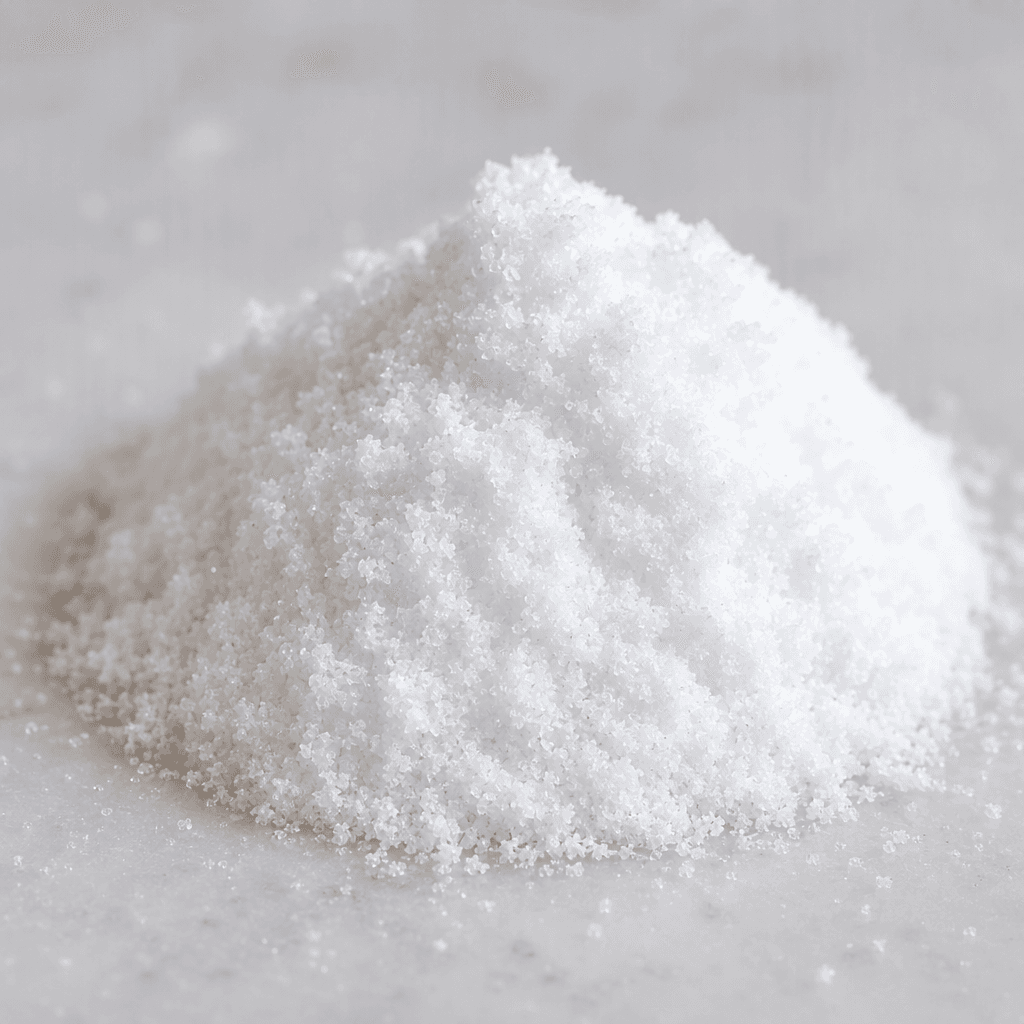
Creatine powder is a supplement made from creatine, a compound naturally present in the body and in some foods. It is usually a fine, pale powder rather than something eaten as a dish, and many products have little noticeable taste. People often add it to routines built around strength training; it is not a meal replacement or an instant pre-workout effect.
Across English-speaking markets, it is commonly stirred or shaken into water, juice or a smoothie, at home or after a gym session. It may feel slightly gritty if it does not dissolve fully. Creatine powder provides no protein, carbohydrate or fat, so pair it with a balanced meal or drink if you need nourishment, and follow the serving directions on the product.
Creatine Powder Nutrition Facts
Selected: 100 g
400
KCAL / 100G
Carbs
0g
· 0% DV
Protein
0g
· 0% DV
Fat
0g
· 0% DV
Fiber
0g
· 0% DV
DV is the share of the daily value covered, on a 2,000 kcal reference diet.
Calories come from: Carbs 0% · Protein 0% · Fat 100%

Log this food in EatBetter
100,000+ people use it
- Get your daily calorie target
- Snap your meal, log it in seconds
- See every vitamin and mineral

📸 Scan the code to get the app free.

Creatine Powder Vitamins & Minerals
Vitamins
Vitamin A
0µg · 0% DV
B1
0mg · 0% DV
B2
0mg · 0% DV
B3
0mg · 0% DV
Minerals
Calcium
0mg · 0% DV
Iron
0mg · 0% DV
Magnesium
0mg · 0% DV
Zinc
0mg · 0% DV
Potassium ⭐
0mg · 0% DV
How Nutritious Is Creatine Powder?
Nutrient density
Low
How many vitamins, minerals and how much fiber this food carries per calorie. A high score means a lot of nutrition for few calories.
Satiety score
Low
An EatBetter score computed from fiber, protein and calorie density. A high score means staying full longer on the same calories.
Both scores are calculated per 100 g and do not change with the selected portion. The satiety score is EatBetter's own calculation, not a clinical measure.
Creatine Powder Glycemic Index
GLYCEMIC INDEX
GLYCEMIC LOAD
Accounts for portion size — a more realistic measure than GI alone.
How to Burn Off Creatine Powder
To burn the 400 calories in 100 g:
🚶
Walking (5 km/h)
🏃
Running (8 km/h)
🚴
Cycling
🏊
Swimming
Times are calculated with the MET equation for a 70 kg adult. Actual burn varies with your weight, age and pace.
Is Creatine Powder Processed?
NOVA 3
Processed
1. Unprocessed
2. Minimally Processed
3. Processed
4. Ultra-Processed
NOVA classifies foods into 4 groups by industrial processing. NOVA 1 (unprocessed) is the healthiest.
Does Creatine Powder Contain Allergens?
No known major allergens
Which Diets Is Creatine Powder Good For?
Vegan
✓ Suitable
Vegetarian
✓ Suitable
Gluten-Free
✓ Suitable
Dairy-Free
— Not suitable
Mediterranean
✓ Suitable
Paleo
✓ Suitable
Whole30
— Not suitable
DASH
— Not suitable
Keto
✓ Suitable
Low FODMAP
— Not suitable
Creatine Powder Fat Profile
SATURATED
0g
MONOUNSATURATED
0g
POLYUNSATURATED
0g
Compare Creatine Powder
Foods Similar to Creatine Powder
Frequently Asked Questions About Creatine Powder
What does Creatine Powder do?
Creatine Powder helps support strength and performance during short, high-intensity efforts, such as lifting or sprinting. Its benefits build with regular use alongside training; it does not replace exercise or provide an instant boost.
How should you take Creatine Powder?
Mix Creatine Powder into water or another drink and take it consistently, including on rest days. Creatine monohydrate is the form with the most research behind it; follow the product’s serving directions because scoop sizes can differ.
Does Creatine Powder cause water retention?
Yes, Creatine Powder can increase water stored inside muscle cells, especially when you first start taking it. This may raise scale weight, but it is not the same as gaining body fat or generalized swelling.
Do you need to load Creatine Powder?
No, a loading phase is not essential when taking Creatine Powder. Taking it regularly without loading fills muscle stores more gradually; loading is simply a way to reach saturation sooner and may cause more stomach discomfort for some people.
Can Creatine Powder cause dehydration or cramps?
No, research does not show that Creatine Powder causes dehydration or muscle cramps in healthy people. Drink according to your thirst and activity, as you would during exercise; unusually hot conditions or long workouts may require extra fluid.
Can you mix Creatine Powder with a protein shake?
Yes, Creatine Powder can be mixed into a protein shake. The combination is convenient, but protein is not required for creatine to work; taking it consistently matters more than pairing it with a particular drink or meal.
Is Creatine Powder safe for teenagers?
Creatine Powder is not a routine supplement for children or younger teens, and safety evidence is less extensive than it is for adults. A teenager considering it should discuss it with a parent or guardian and a qualified healthcare professional.
What happens when you stop taking Creatine Powder?
When you stop taking Creatine Powder, muscle creatine stores gradually return toward their usual level over several weeks. Any extra water weight may decrease, but stopping does not suddenly erase muscle or training progress.
Can Creatine Powder upset your stomach?
Yes, Creatine Powder can cause stomach discomfort, particularly when a large amount is taken at once. Mixing it thoroughly and taking it with a meal may help; avoid taking more than the product’s directions recommend.
How should you store Creatine Powder?
Store Creatine Powder tightly closed in a cool, dry place, away from moisture and heat. Keep the scoop dry and avoid leaving the container open, since dampness can make the powder clump.
Have another question about Creatine Powder?
Ask the AI nutrition coach — calories, portions, alternatives and more, answered in seconds in the app.

Scan calories with your camera
Instant AI nutrition analysis

Nutrition data compiled from USDA FoodData Central and scientific sources.