

Ready & Packaged Foods
All →Vegetables & Legumes
All →Desserts & Confectionery
All →Meat & Protein
All →Grains & Bakery
All →Beverages
All →Milk & Dairy
All →

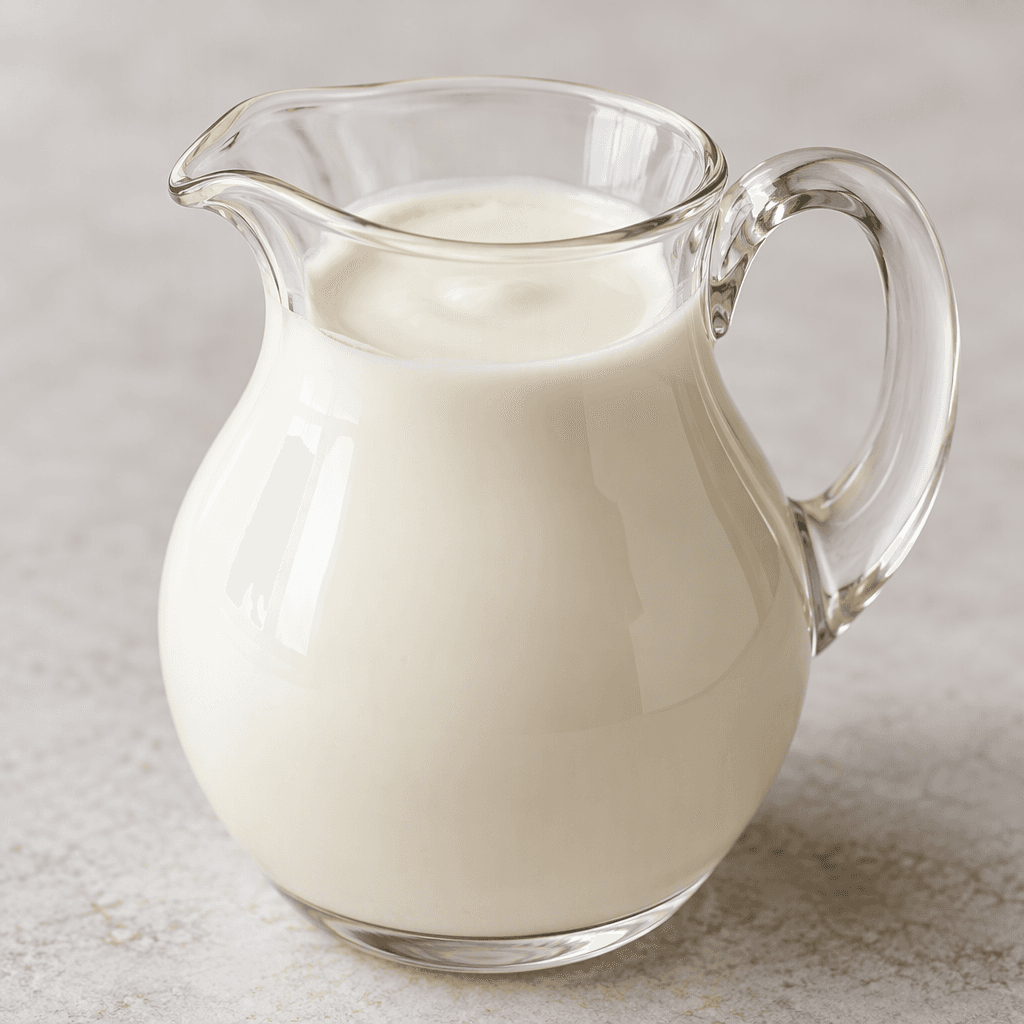
Creamer Calories
Milk-based or non-dairy creamer for coffee/tea
In season: Winter · Spring · Summer · Autumn
CALORIES
GI
POTASSIUM
FIBER
Quick answer
1 tablespoon (medium) of Creamer (12 g) has 41 calories. That works out to 340 calories per 100 g. It contains 6.6 g of carbs, 0.1 g of protein, 1.4 g of fat and 0 g of fiber. Its glycemic index is 60 (medium), so it raises blood sugar at a moderate pace.
What is Creamer?
Creamer is a pourable addition for coffee, made with dairy ingredients or plant-based alternatives. It lightens the drink and lends it a smoother, rounder taste; some varieties are noticeably sweet. In places where it is commonly used, it may be stirred into coffee at home, at work or when travelling. You can add it to tea too, though it is most often associated with coffee. Pour in a little at a time and stir to get the colour and richness you like.
Creamers vary, but this one is mainly a source of carbohydrates and fat, with relatively little protein. For a lighter cup, use a smaller spoonful or pair it with unsweetened coffee; a medium tablespoon is about 12 g.
Creamer Nutrition Facts
Selected: 100 g
340
KCAL / 100G
Carbs
55g
· 20% DV
Protein
1.1g
· 2% DV
Fat
12g
· 15% DV
Fiber
0g
· 0% DV
DV is the share of the daily value covered, on a 2,000 kcal reference diet.
Calories come from: Carbs 66% · Protein 1% · Fat 33%
Creamer Vitamins & Minerals
Vitamins
B12
0.2µg · 8% DV
B5
0.3mg · 6% DV
B2
0.05mg · 4% DV
Vitamin D
0.5µg · 3% DV
Minerals
Phosphorus
60mg · 9% DV
Calcium
80mg · 8% DV
Sodium
180mg · 8% DV
Selenium
2µg · 4% DV
How Nutritious Is Creamer?
Nutrient density
Low
How many vitamins, minerals and how much fiber this food carries per calorie. A high score means a lot of nutrition for few calories.
Satiety score
Low
An EatBetter score computed from fiber, protein and calorie density. A high score means staying full longer on the same calories.
Both scores are calculated per 100 g and do not change with the selected portion. The satiety score is EatBetter's own calculation, not a clinical measure.
Creamer Glycemic Index
GLYCEMIC INDEX
GLYCEMIC LOAD
Accounts for portion size — a more realistic measure than GI alone.
How to Burn Off Creamer
To burn the 340 calories in 100 g:
🚶
Walking (5 km/h)
🏃
Running (8 km/h)
🚴
Cycling
🏊
Swimming
Times are calculated with the MET equation for a 70 kg adult. Actual burn varies with your weight, age and pace.
Is Creamer Processed?
NOVA 3
Processed
1. Unprocessed
2. Minimally Processed
3. Processed
4. Ultra-Processed
NOVA classifies foods into 4 groups by industrial processing. NOVA 1 (unprocessed) is the healthiest.
Does Creamer Contain Allergens?
Contains these allergens:
Which Diets Is Creamer Good For?
Vegan
— Not suitable
Vegetarian
✓ Suitable
Gluten-Free
— Not suitable
Dairy-Free
— Not suitable
Mediterranean
— Not suitable
Paleo
— Not suitable
Whole30
— Not suitable
DASH
— Not suitable
Keto
— Not suitable
Low FODMAP
— Not suitable
Creamer Fat Profile
SATURATED
10g
MONOUNSATURATED
1g
POLYUNSATURATED
0.4g
Omega 6:3 ratio 15:1
Above the ideal 4:1 (15:1).
Compare Creamer
Foods Similar to Creamer
Frequently Asked Questions About Creamer
What is creamer, and what is it made of?
Creamer is a product added to coffee or tea to make it lighter and creamier. Dairy versions contain milk ingredients, while non-dairy versions often use plant oils, sweeteners, and thickeners; the ingredients vary by product and by whether it is liquid or powdered.
Can creamer be used instead of milk in coffee?
Yes, creamer can replace milk in coffee, but it may taste sweeter or richer and does not have the same composition as milk. Start with a small amount, especially with flavored or sweetened varieties, and adjust to taste.
Does creamer contain dairy?
Some creamers contain dairy, while others are made without milk ingredients. “Non-dairy” on a product does not necessarily mean it is free from every milk-derived ingredient, so people avoiding milk for an allergy should check the ingredients and allergen information.
How do you use liquid creamer in coffee?
Pour liquid creamer into your coffee and stir until it is evenly mixed. Adding it gradually lets you control the color and richness, and shaking the container first can help redistribute ingredients that have settled.
Can you put creamer in tea?
Yes, creamer can be added to tea to soften its flavor and lighten its color. Sweetened or flavored varieties can noticeably change the taste, so add a little first and stir before deciding whether to use more.
Does liquid creamer need to be refrigerated after opening?
Most liquid creamers need refrigeration after opening, unless the package gives different instructions. Close the container tightly and return it to the refrigerator promptly; powdered creamer generally has different storage directions.
How long does creamer last after opening?
Opened creamer lasts for the period stated on its package when stored as directed. The usable time varies by product, so follow its label and discard it if you notice an unusual smell, discoloration, or an unexpected change in texture.
Can you freeze creamer?
Freezing creamer is usually not recommended because thawing can separate it or change its texture. If you do freeze it, thaw it in the refrigerator and shake or stir it well; it may work better in cooked recipes than in coffee afterward.
What is the difference between liquid and powdered creamer?
Liquid creamer is poured into a drink and usually needs refrigeration once opened; powdered creamer is dry and should be kept away from moisture. Both can lighten coffee, but their ingredients, texture, and storage instructions can differ.
Can you use creamer in iced coffee?
Yes, creamer works in iced coffee, although it may take more stirring to mix evenly in a cold drink. Shake or stir it thoroughly, and test a small amount first because some creamers can clump in cold liquid.
Have another question about Creamer?
Ask the AI nutrition coach — calories, portions, alternatives and more, answered in seconds in the app.

Scan calories with your camera
Instant AI nutrition analysis

Nutrition data compiled from USDA FoodData Central and scientific sources.