

Ready & Packaged Foods
All →Vegetables & Legumes
All →Desserts & Confectionery
All →Meat & Protein
All →Grains & Bakery
All →Beverages
All →Milk & Dairy
All →

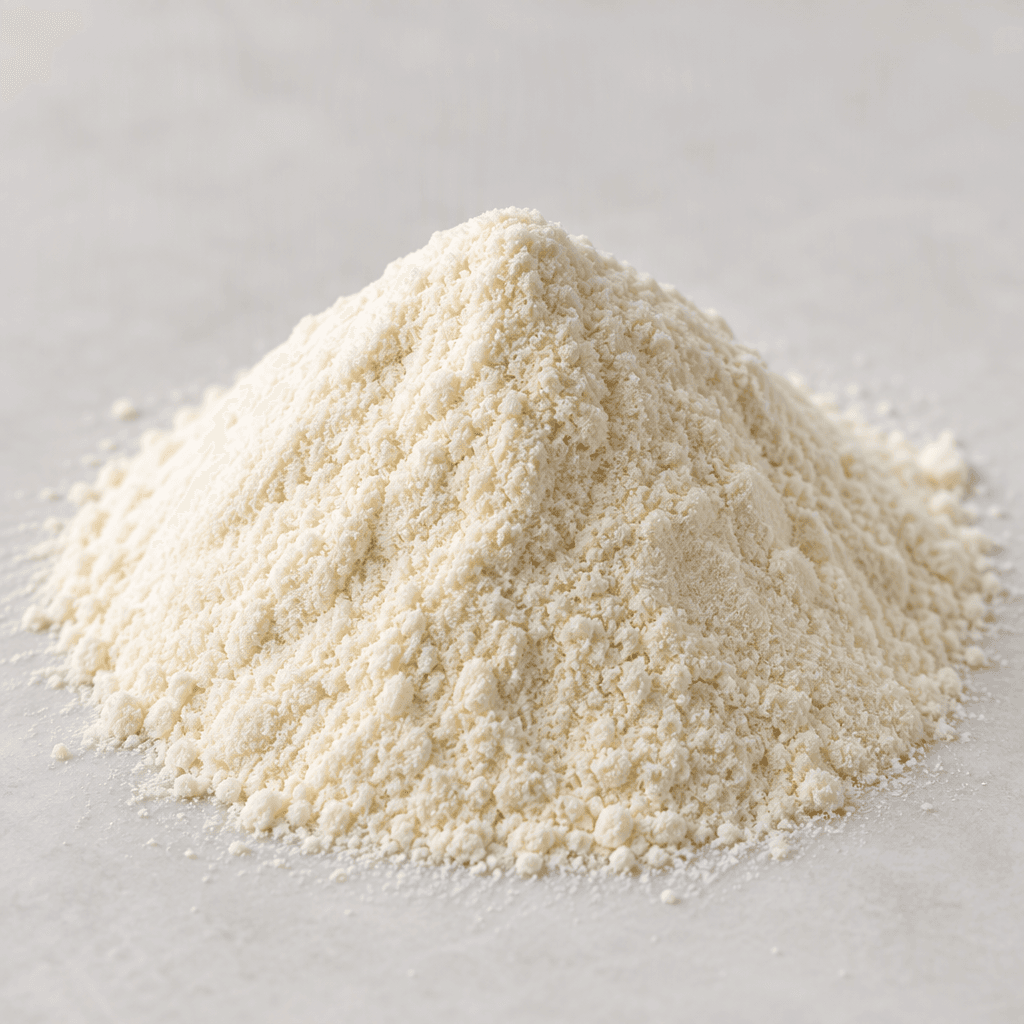
Collagen Peptides Calories
High protein, supports skin and joint health
CALORIES
GI
POTASSIUM
FIBER
Quick answer
1 tablespoon (medium) of Collagen Peptides (10 g) has 37 calories. That works out to 370 calories per 100 g. It contains 0 g of carbs, 9 g of protein, 0 g of fat and 0 g of fiber. Its glycemic index is 0 (low), so it raises blood sugar slowly.
What is Collagen Peptides?
Collagen Peptides are made by breaking down collagen, usually sourced from animal skin, bones or connective tissue, into a fine powder. They are an add-in rather than a traditional dish, and are commonly sold as a standalone protein product.
The powder has a mild, fairly neutral taste and usually blends readily into warm liquids; whisk or shake it well into cold drinks. People add it to coffee, tea, smoothies, soups or yoghurt, depending on their routine. It is high in protein: the supplied nutrition information lists 90 g per 100 g, with no carbohydrates or fat. For an easy addition to breakfast or a drink, choose a flavourful base you already enjoy; it is best treated as an ingredient, not as a complete meal.
Collagen Peptides Nutrition Facts
Selected: 100 g
370
KCAL / 100G
Carbs
0g
· 0% DV
Protein
90g
· 180% DV
Fat
0g
· 0% DV
Fiber
0g
· 0% DV
DV is the share of the daily value covered, on a 2,000 kcal reference diet.
Calories come from: Carbs 0% · Protein 100% · Fat 0%
Collagen Peptides Vitamins & Minerals
Vitamins
Vitamin A
0µg · 0% DV
B1
0mg · 0% DV
B2
0mg · 0% DV
B3
0mg · 0% DV
Minerals
Sodium
150mg · 7% DV
Iron
1mg · 6% DV
Calcium
40mg · 4% DV
Phosphorus
30mg · 4% DV
How Nutritious Is Collagen Peptides?
Nutrient density
Medium
How many vitamins, minerals and how much fiber this food carries per calorie. A high score means a lot of nutrition for few calories.
Satiety score
Low
An EatBetter score computed from fiber, protein and calorie density. A high score means staying full longer on the same calories.
Both scores are calculated per 100 g and do not change with the selected portion. The satiety score is EatBetter's own calculation, not a clinical measure.
Collagen Peptides Glycemic Index
GLYCEMIC INDEX
GLYCEMIC LOAD
Accounts for portion size — a more realistic measure than GI alone.
How to Burn Off Collagen Peptides
To burn the 370 calories in 100 g:
🚶
Walking (5 km/h)
🏃
Running (8 km/h)
🚴
Cycling
🏊
Swimming
Times are calculated with the MET equation for a 70 kg adult. Actual burn varies with your weight, age and pace.
Is Collagen Peptides Processed?
NOVA 3
Processed
1. Unprocessed
2. Minimally Processed
3. Processed
4. Ultra-Processed
NOVA classifies foods into 4 groups by industrial processing. NOVA 1 (unprocessed) is the healthiest.
Does Collagen Peptides Contain Allergens?
No known major allergens
Which Diets Is Collagen Peptides Good For?
Vegan
— Not suitable
Vegetarian
— Not suitable
Gluten-Free
✓ Suitable
Dairy-Free
— Not suitable
Mediterranean
✓ Suitable
Paleo
✓ Suitable
Whole30
— Not suitable
DASH
— Not suitable
Keto
✓ Suitable
Low FODMAP
— Not suitable
Collagen Peptides Fat Profile
SATURATED
0g
MONOUNSATURATED
0g
POLYUNSATURATED
0g
Compare Collagen Peptides
Foods Similar to Collagen Peptides
Frequently Asked Questions About Collagen Peptides
What are collagen peptides?
Collagen peptides are small protein fragments made by breaking collagen down, usually sold as a powder supplement. They are commonly mixed into drinks or food, and may come from sources such as cattle or fish.
Do collagen peptides help your skin?
Collagen peptides may modestly improve skin hydration and elasticity with regular use. Research does not show that they erase wrinkles or replace sun protection, a balanced diet, or other established skin-care measures.
Do collagen peptides help with joint pain?
Collagen peptides may ease joint discomfort or support function for some people, but results are not guaranteed. They are not a proven treatment for arthritis and should not replace care recommended for a joint condition.
Do collagen peptides help hair and nails?
Evidence that collagen peptides improve hair growth is limited, and they have not been shown to prevent hair loss. A few small studies suggest they may help brittle nails, but the benefit is not firmly established.
How should you take collagen peptides?
Mix collagen peptides into water, a smoothie, yogurt, or another food, following the product’s serving directions. The powder is generally easy to add to meals, and a typical serving is about one medium tablespoon.
Can you put collagen peptides in coffee?
Yes, collagen peptides can be stirred into hot coffee. They dissolve in warm drinks and usually have little effect on the flavor; add the powder gradually while stirring to help prevent clumps.
When is the best time to take collagen peptides?
There is no established best time to take collagen peptides, and taking them on an empty stomach has not been shown to be necessary. Choose a time you can stick with; take them with food if they upset your stomach.
Are marine collagen peptides different from bovine collagen peptides?
Yes. Marine collagen peptides come from fish, while bovine collagen peptides come from cattle; both are sources of collagen, but their collagen types and amino-acid profiles differ. Avoid a source that triggers an allergy.
What are the side effects of collagen peptides?
Collagen peptides can cause digestive discomfort, bloating, or an unpleasant aftertaste in some people. Products made from fish or cattle may also trigger a reaction in someone allergic to that source.
Do collagen peptides cause weight gain?
Collagen peptides do not automatically cause weight gain, but they add protein and energy to what you consume. If you add them to your usual diet every day, include that extra intake when considering your overall eating pattern.
Have another question about Collagen Peptides?
Ask the AI nutrition coach — calories, portions, alternatives and more, answered in seconds in the app.

Scan calories with your camera
Instant AI nutrition analysis

Nutrition data compiled from USDA FoodData Central and scientific sources.