

Ready & Packaged Foods
All →Vegetables & Legumes
All →Desserts & Confectionery
All →Meat & Protein
All →Grains & Bakery
All →Beverages
All →Milk & Dairy
All →

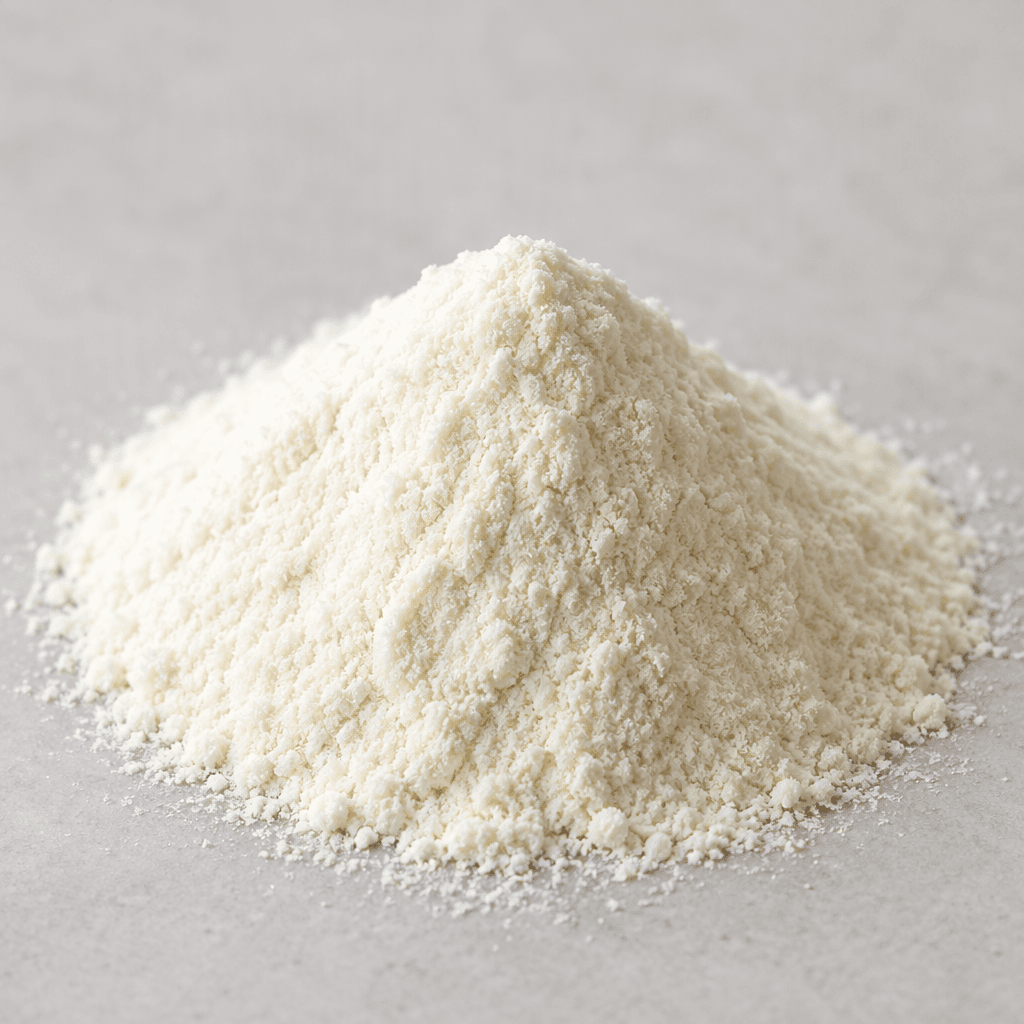
Collagen Calories
Protein source, supports skin and joint health
CALORIES
GI
POTASSIUM
FIBER
Quick answer
1 tablespoon (medium) of Collagen (10 g) has 36 calories. That works out to 360 calories per 100 g. It contains 0 g of carbs, 9 g of protein, 0 g of fat and 0 g of fiber. Its glycemic index is 0 (low), so it raises blood sugar slowly.
What is Collagen?
Collagen is a protein found in animal connective tissue and sold as a powder, often as hydrolysed collagen peptides. It is usually made from bovine, porcine or marine sources, and the fine powder has a mild taste that blends readily into liquids. People commonly stir it into coffee, tea, smoothies or soups, whether at home or as part of a daily routine. Its nutritional profile is predominantly protein: the supplied figures list 90 g per 100 g, with no carbohydrate or fat. It can be an easy addition to a drink you already enjoy; check the product directions for serving suggestions and mix it thoroughly to avoid clumps.
Collagen Nutrition Facts
Selected: 100 g
360
KCAL / 100G
Carbs
0g
· 0% DV
Protein
90g
· 180% DV
Fat
0g
· 0% DV
Fiber
0g
· 0% DV
DV is the share of the daily value covered, on a 2,000 kcal reference diet.
Calories come from: Carbs 0% · Protein 100% · Fat 0%
Collagen Vitamins & Minerals
Vitamins
Vitamin A
0µg · 0% DV
B1
0mg · 0% DV
B2
0mg · 0% DV
B3
0mg · 0% DV
Minerals
Sodium
150mg · 7% DV
Phosphorus
30mg · 4% DV
Calcium
20mg · 2% DV
Iron
0mg · 0% DV
How Nutritious Is Collagen?
Nutrient density
Low
How many vitamins, minerals and how much fiber this food carries per calorie. A high score means a lot of nutrition for few calories.
Satiety score
Low
An EatBetter score computed from fiber, protein and calorie density. A high score means staying full longer on the same calories.
Both scores are calculated per 100 g and do not change with the selected portion. The satiety score is EatBetter's own calculation, not a clinical measure.
Collagen Glycemic Index
GLYCEMIC INDEX
GLYCEMIC LOAD
Accounts for portion size — a more realistic measure than GI alone.
How to Burn Off Collagen
To burn the 360 calories in 100 g:
🚶
Walking (5 km/h)
🏃
Running (8 km/h)
🚴
Cycling
🏊
Swimming
Times are calculated with the MET equation for a 70 kg adult. Actual burn varies with your weight, age and pace.
Is Collagen Processed?
NOVA 3
Processed
1. Unprocessed
2. Minimally Processed
3. Processed
4. Ultra-Processed
NOVA classifies foods into 4 groups by industrial processing. NOVA 1 (unprocessed) is the healthiest.
Does Collagen Contain Allergens?
No known major allergens
Which Diets Is Collagen Good For?
Vegan
— Not suitable
Vegetarian
— Not suitable
Gluten-Free
✓ Suitable
Dairy-Free
— Not suitable
Mediterranean
✓ Suitable
Paleo
✓ Suitable
Whole30
— Not suitable
DASH
— Not suitable
Keto
✓ Suitable
Low FODMAP
— Not suitable
Collagen Fat Profile
SATURATED
0g
MONOUNSATURATED
0g
POLYUNSATURATED
0g
Compare Collagen
Foods Similar to Collagen
Frequently Asked Questions About Collagen
Does collagen help reduce wrinkles?
Collagen supplements may modestly improve skin hydration and elasticity, which can make fine lines less noticeable for some people. The evidence does not show that they erase wrinkles, and results vary; they do not replace sun protection or a balanced diet.
Does collagen help with joint pain?
Collagen may modestly ease joint discomfort or stiffness for some people, but the evidence is mixed and it is not a proven treatment for joint disease. Persistent or worsening pain needs attention beyond a supplement.
Can collagen help hair grow or make nails stronger?
There is not strong evidence that collagen makes hair grow. Hair is primarily made of keratin, and research on nail strength is limited; hair loss or brittle nails can have causes that collagen will not address.
When is the best time to take collagen?
There is no established best time to take collagen. You can take it in the morning, at night, or with a meal; choose a time that makes it easy to follow the product directions consistently.
Should you take collagen with vitamin C?
You do not have to take collagen and vitamin C at the same time. Vitamin C is needed for your body’s own collagen production, but getting enough from foods such as fruit and vegetables matters more than pairing a supplement with a particular drink.
Can you add collagen to hot coffee?
Yes, collagen powder can be stirred into hot coffee. To prevent clumps, mix it with a small amount of liquid first, then add the coffee; unflavored collagen is less likely to change the drink’s taste.
Is collagen the same as gelatin?
No, they are related but not identical forms of the same protein. Gelatin is produced by heating collagen and forms a gel as it cools; collagen peptides are broken into smaller pieces and usually dissolve more readily.
Is marine collagen better than bovine collagen?
Marine collagen has not been shown to be universally better than bovine collagen. Their sources and collagen types can differ, so choose based on dietary preference, allergies, and the product’s stated source rather than assuming one works better.
Does collagen count as a complete protein for building muscle?
No, collagen is not a complete protein because it lacks some essential amino acids and is low in others. It should not be your main protein for muscle building; foods such as eggs, dairy, legumes, or meat provide a more balanced amino-acid profile.
What are the side effects of collagen supplements?
Collagen supplements can cause digestive discomfort, bloating, or an unpleasant aftertaste in some people. Products made from fish or other animal sources may also trigger allergies, so stop taking one if you develop a reaction.
Have another question about Collagen?
Ask the AI nutrition coach — calories, portions, alternatives and more, answered in seconds in the app.

Scan calories with your camera
Instant AI nutrition analysis

Nutrition data compiled from USDA FoodData Central and scientific sources.