

Ready & Packaged Foods
All →Vegetables & Legumes
All →Desserts & Confectionery
All →Meat & Protein
All →Grains & Bakery
All →Beverages
All →Milk & Dairy
All →

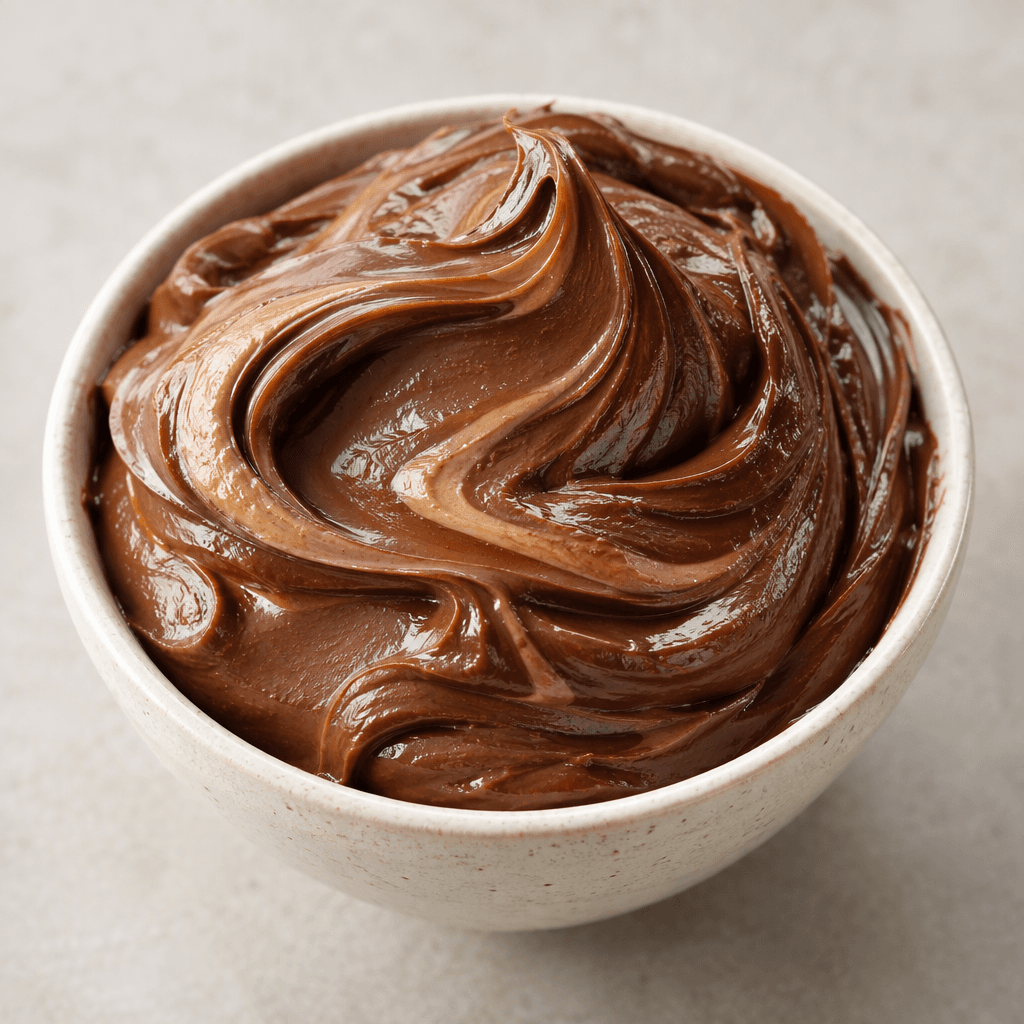
Chocolate peanut butter Calories
Blend of peanut butter and chocolate, source of protein and energy
In season: Spring · Summer · Autumn · Winter
CALORIES
GI
POTASSIUM
FIBER
Quick answer
2 tablespoon (medium) of Chocolate peanut butter (32 g) has 182 calories. That works out to 570 calories per 100 g. It contains 10.6 g of carbs, 4.6 g of protein, 13.1 g of fat and 1.8 g of fiber. Its 0.2 mg of Copper covers 21% of the Daily Value. Its glycemic index is 45 (medium), so it raises blood sugar at a moderate pace.
What is Chocolate peanut butter?
Chocolate peanut butter combines the familiar nutty richness of peanut butter with chocolate in a thick, spreadable blend. Peanut butter is strongly associated with the United States, where it is commonly spread on sandwiches; the chocolate version gives that pantry staple a sweeter, dessert-like character.
Its texture is usually smooth and creamy, with roasted peanut flavour balanced by chocolate sweetness. Spread it on toast, swirl it into porridge, or pair it with banana or apple slices for breakfast or a snack. It supplies protein and energy, while also being rich in fat and containing carbohydrates. Because the flavour is quite sweet and intense, a thin layer is often enough; for a lighter-feeling snack, serve it with fresh fruit rather than adding more sweet toppings.
Chocolate peanut butter Nutrition Facts
Selected: 100 g
570
KCAL / 100G
Carbs
33g
· 12% DV
Protein
14.5g
· 29% DV
Fat
41g
· 53% DV
Fiber
5.5g
· 20% DV
DV is the share of the daily value covered, on a 2,000 kcal reference diet.
Calories come from: Carbs 24% · Protein 10% · Fat 66%
Chocolate peanut butter Vitamins & Minerals
Vitamins
B3
9.2mg · 57% DV
Biotin
12µg · 40% DV
Vitamin E
5.2mg · 35% DV
B6
0.3mg · 18% DV
Minerals
Copper
1mg · 111% DV
Manganese
1mg · 43% DV
Phosphorus
270mg · 39% DV
Magnesium
120mg · 29% DV
How Nutritious Is Chocolate peanut butter?
Nutrient density
Medium
How many vitamins, minerals and how much fiber this food carries per calorie. A high score means a lot of nutrition for few calories.
Satiety score
Medium
An EatBetter score computed from fiber, protein and calorie density. A high score means staying full longer on the same calories.
Both scores are calculated per 100 g and do not change with the selected portion. The satiety score is EatBetter's own calculation, not a clinical measure.
Chocolate peanut butter Glycemic Index
GLYCEMIC INDEX
GLYCEMIC LOAD
Accounts for portion size — a more realistic measure than GI alone.
How to Burn Off Chocolate peanut butter
To burn the 570 calories in 100 g:
🚶
Walking (5 km/h)
🏃
Running (8 km/h)
🚴
Cycling
🏊
Swimming
Times are calculated with the MET equation for a 70 kg adult. Actual burn varies with your weight, age and pace.
Is Chocolate peanut butter Processed?
NOVA 3
Processed
1. Unprocessed
2. Minimally Processed
3. Processed
4. Ultra-Processed
NOVA classifies foods into 4 groups by industrial processing. NOVA 1 (unprocessed) is the healthiest.
Does Chocolate peanut butter Contain Allergens?
Contains these allergens:
Which Diets Is Chocolate peanut butter Good For?
Vegan
— Not suitable
Vegetarian
✓ Suitable
Gluten-Free
— Not suitable
Dairy-Free
— Not suitable
Mediterranean
✓ Suitable
Paleo
— Not suitable
Whole30
— Not suitable
DASH
— Not suitable
Keto
— Not suitable
Low FODMAP
— Not suitable
Chocolate peanut butter Fat Profile
SATURATED
8.5g
MONOUNSATURATED
21.5g
POLYUNSATURATED
12.7g
Omega 6:3 ratio 312.5:1
Above the ideal 4:1 (312.5:1).
Compare Chocolate peanut butter
Foods Similar to Chocolate peanut butter
Frequently Asked Questions About Chocolate peanut butter
What is chocolate peanut butter made of?
Chocolate peanut butter is a spread made by combining peanut butter with chocolate or cocoa. Recipes may also include sugar, oils, or other ingredients, so the sweetness and texture vary between products.
Is chocolate peanut butter healthy?
Chocolate peanut butter provides protein and energy, but it can also contain added sugar and plenty of fat. It can fit into a meal or snack in a modest serving, but it is not a substitute for a varied diet.
How is chocolate peanut butter different from Nutella?
Chocolate peanut butter is peanut-based, while Nutella is a hazelnut-and-cocoa spread. The two have different nut flavors and recipes; their sweetness and texture also depend on the specific product.
What do you eat chocolate peanut butter with?
Chocolate peanut butter goes well with toast, banana slices, apples, or crackers. You can also swirl a spoonful into oatmeal or yogurt for a chocolate-and-peanut flavor without using it as the whole meal.
How do you make chocolate peanut butter at home?
To make chocolate peanut butter at home, stir melted chocolate or cocoa into smooth peanut butter. Add sweetener gradually if desired, and mix in more peanut butter if the result is too thick or intense.
Does chocolate peanut butter need to be refrigerated after opening?
Chocolate peanut butter does not always need refrigeration after opening; follow the storage directions on its jar. Keep it tightly closed and use a clean, dry utensil to prevent crumbs or moisture from getting into the spread.
Can you bake with chocolate peanut butter?
Yes, chocolate peanut butter can be used in brownies, cookies, and cakes. It changes both the sweetness and fat content of a recipe, so use it to replace part of the chocolate or nut butter rather than adding a large amount without adjusting the recipe.
Why does oil separate in chocolate peanut butter?
Oil can separate in chocolate peanut butter when the ingredients settle during storage. Stir the spread thoroughly before using it; discard it if it has mold, an unusual smell, or another clear sign of spoilage.
Can dogs eat chocolate peanut butter?
No, dogs should not eat chocolate peanut butter. Chocolate can be toxic to dogs, and some spreads may contain other unsafe sweeteners. If your dog has eaten any, contact a veterinarian promptly.
Can chocolate peanut butter go in a smoothie?
Yes, chocolate peanut butter blends well into smoothies with ingredients such as banana, milk, or yogurt. Start with a small spoonful so its rich flavor does not overpower the fruit or make the drink too thick.
Have another question about Chocolate peanut butter?
Ask the AI nutrition coach — calories, portions, alternatives and more, answered in seconds in the app.

Scan calories with your camera
Instant AI nutrition analysis

Nutrition data compiled from USDA FoodData Central and scientific sources.