

Ready & Packaged Foods
All →Vegetables & Legumes
All →Desserts & Confectionery
All →Meat & Protein
All →Grains & Bakery
All →Beverages
All →Milk & Dairy
All →

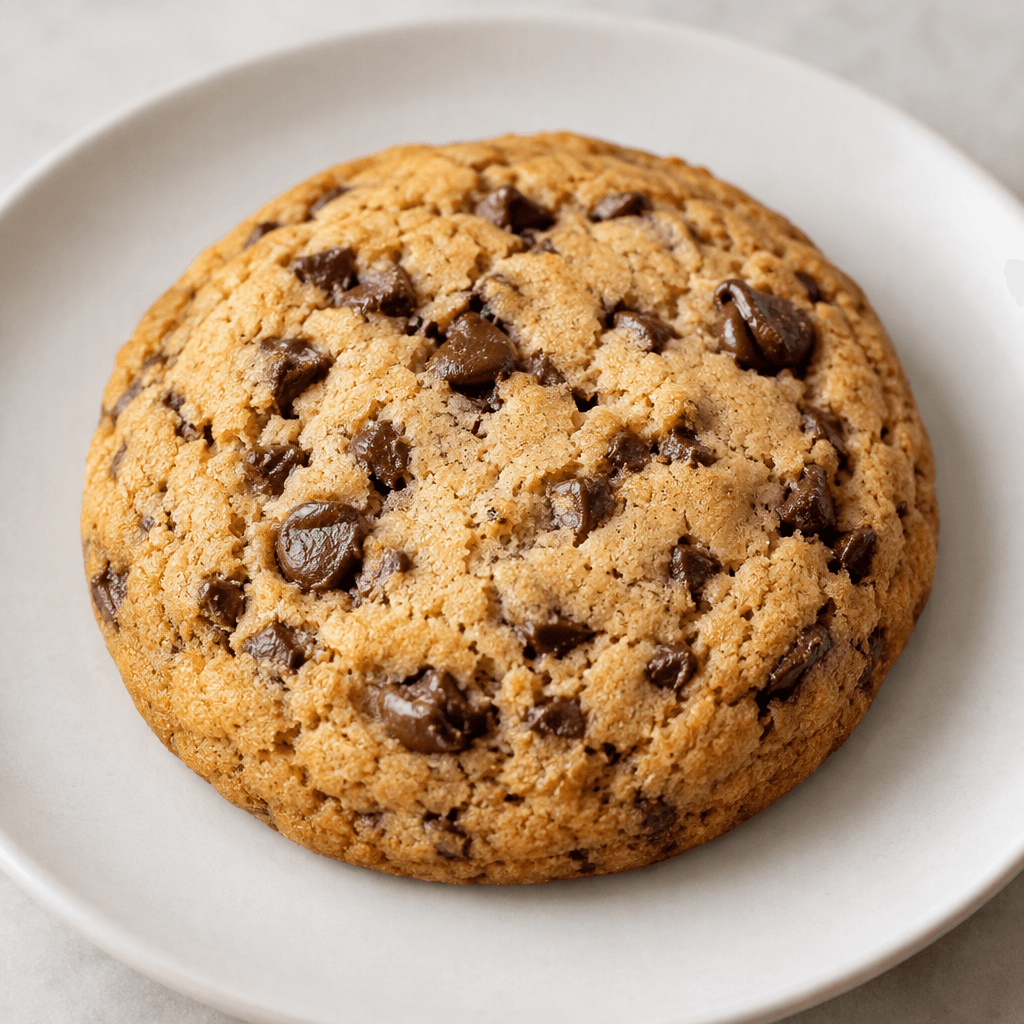
Chocolate Chip Calories
Sweet snack, high energy, cocoa source
In season: Winter · Spring · Summer · Autumn
CALORIES
GI
POTASSIUM
FIBER
Quick answer
1 tablespoon (medium) of Chocolate Chip (15 g) has 73 calories. That works out to 488 calories per 100 g. It contains 9.3 g of carbs, 0.7 g of protein, 3.6 g of fat and 0.6 g of fiber. Its 0 mg of Copper covers 5% of the Daily Value. Its glycemic index is 45 (medium), so it raises blood sugar at a moderate pace.
What is Chocolate Chip?
Chocolate chips are small pieces of chocolate made to hold their shape in baking or to scatter over desserts. They are especially familiar in American-style chocolate chip cookies, but are also stirred into brownies, muffins and pancakes or sprinkled on ice cream and porridge.
In a warm cookie, the pieces may soften into pockets of chocolate, while some retain a little shape and bite. They bring a sweet, rich flavour and make a simple bake feel more indulgent. Chocolate chips are energy-dense, with much of their energy coming from carbohydrates and fat. For a less sweet result, use a modest handful in the batter, or pair them with oats, nuts or fruit rather than adding them on top as well.
Chocolate Chip Nutrition Facts
Selected: 100 g
488
KCAL / 100G
Carbs
62g
· 23% DV
Protein
4.5g
· 9% DV
Fat
24g
· 31% DV
Fiber
4g
· 14% DV
DV is the share of the daily value covered, on a 2,000 kcal reference diet.
Calories come from: Carbs 51% · Protein 4% · Fat 45%
Chocolate Chip Vitamins & Minerals
Vitamins
Biotin
2µg · 7% DV
B2
0.08mg · 6% DV
Vitamin E
0.7mg · 5% DV
B5
0.2mg · 4% DV
Minerals
Phosphorus
110mg · 16% DV
Iron
2mg · 11% DV
Magnesium
45mg · 11% DV
Zinc
1mg · 9% DV
How Nutritious Is Chocolate Chip?
Nutrient density
Low
How many vitamins, minerals and how much fiber this food carries per calorie. A high score means a lot of nutrition for few calories.
Satiety score
Low
An EatBetter score computed from fiber, protein and calorie density. A high score means staying full longer on the same calories.
Both scores are calculated per 100 g and do not change with the selected portion. The satiety score is EatBetter's own calculation, not a clinical measure.
Chocolate Chip Glycemic Index
GLYCEMIC INDEX
GLYCEMIC LOAD
Accounts for portion size — a more realistic measure than GI alone.
How to Burn Off Chocolate Chip
To burn the 488 calories in 100 g:
🚶
Walking (5 km/h)
🏃
Running (8 km/h)
🚴
Cycling
🏊
Swimming
Times are calculated with the MET equation for a 70 kg adult. Actual burn varies with your weight, age and pace.
Is Chocolate Chip Processed?
NOVA 3
Processed
1. Unprocessed
2. Minimally Processed
3. Processed
4. Ultra-Processed
NOVA classifies foods into 4 groups by industrial processing. NOVA 1 (unprocessed) is the healthiest.
Does Chocolate Chip Contain Allergens?
Contains these allergens:
Which Diets Is Chocolate Chip Good For?
Vegan
— Not suitable
Vegetarian
✓ Suitable
Gluten-Free
— Not suitable
Dairy-Free
— Not suitable
Mediterranean
— Not suitable
Paleo
— Not suitable
Whole30
— Not suitable
DASH
— Not suitable
Keto
— Not suitable
Low FODMAP
— Not suitable
Chocolate Chip Fat Profile
SATURATED
14g
MONOUNSATURATED
7g
POLYUNSATURATED
1.2g
Omega 6:3 ratio 15:1
Above the ideal 4:1 (15:1).
Compare Chocolate Chip
Foods Similar to Chocolate Chip
Frequently Asked Questions About Chocolate Chip
What are chocolate chips made of?
Chocolate chips are small pieces of chocolate made from ingredients such as cocoa solids, cocoa butter or other fats, sugar, and sometimes milk ingredients or emulsifiers. The exact recipe varies by type, so chips can taste quite different from one brand or style to another.
Do chocolate chips melt in cookies?
Chocolate chips soften in the oven but often keep their shape because they are designed for baking. They firm up again as the cookies cool. For more melted, irregular chocolate pockets, use chopped chocolate instead of chips.
Can you use chopped chocolate instead of chocolate chips?
Yes, chopped chocolate can replace chocolate chips in most cookie and cake recipes. Cut it into pieces roughly similar in size; chopped chocolate tends to melt and spread more, giving baked goods larger, less uniform chocolate pockets.
How do you melt chocolate chips?
Melt chocolate chips gently in the microwave in short bursts, stirring between each, or use a dry bowl over simmering water. Keep water and steam out of the chocolate, since even a little moisture can make it seize and turn grainy.
Why do chocolate chips sink in cake batter?
Chocolate chips can sink when the batter is thin or the chips are too heavy to stay suspended. Tossing them with a little flour before folding them in, and adding them at the end, can help distribute them more evenly.
How do you make chocolate chips at home?
To make chocolate chips at home, pipe small dots of melted chocolate onto parchment paper and chill them until firm. For a simpler option, spread the chocolate in a thin layer, let it set, then chop it into small pieces.
How should you store chocolate chips after opening?
Keep opened chocolate chips in an airtight container in a cool, dry place away from sunlight and strong odors. Heat can soften them, while moisture can damage their texture or cause sugar bloom on the surface.
Can you freeze chocolate chips?
Yes, chocolate chips can be frozen in a tightly sealed, moisture-proof container or bag. Let the closed package warm to room temperature before opening it; this helps prevent condensation from forming on the chocolate.
What is the difference between chocolate chips and chocolate chunks?
Chocolate chips are usually small, uniform pieces designed to hold their shape during baking, while chocolate chunks are irregular pieces, often cut from a bar. Chunks tend to melt into larger, more varied pockets in cookies and other baked goods.
Can dogs eat chocolate chips?
No, dogs should not eat chocolate chips. Chocolate contains theobromine, which dogs cannot process safely, and darker chocolate can be especially dangerous. If a dog eats any, contact a veterinarian promptly and share the type and estimated amount.
Have another question about Chocolate Chip?
Ask the AI nutrition coach — calories, portions, alternatives and more, answered in seconds in the app.

Scan calories with your camera
Instant AI nutrition analysis

Nutrition data compiled from USDA FoodData Central and scientific sources.