

Ready & Packaged Foods
All →Vegetables & Legumes
All →Desserts & Confectionery
All →Meat & Protein
All →Grains & Bakery
All →Beverages
All →Milk & Dairy
All →

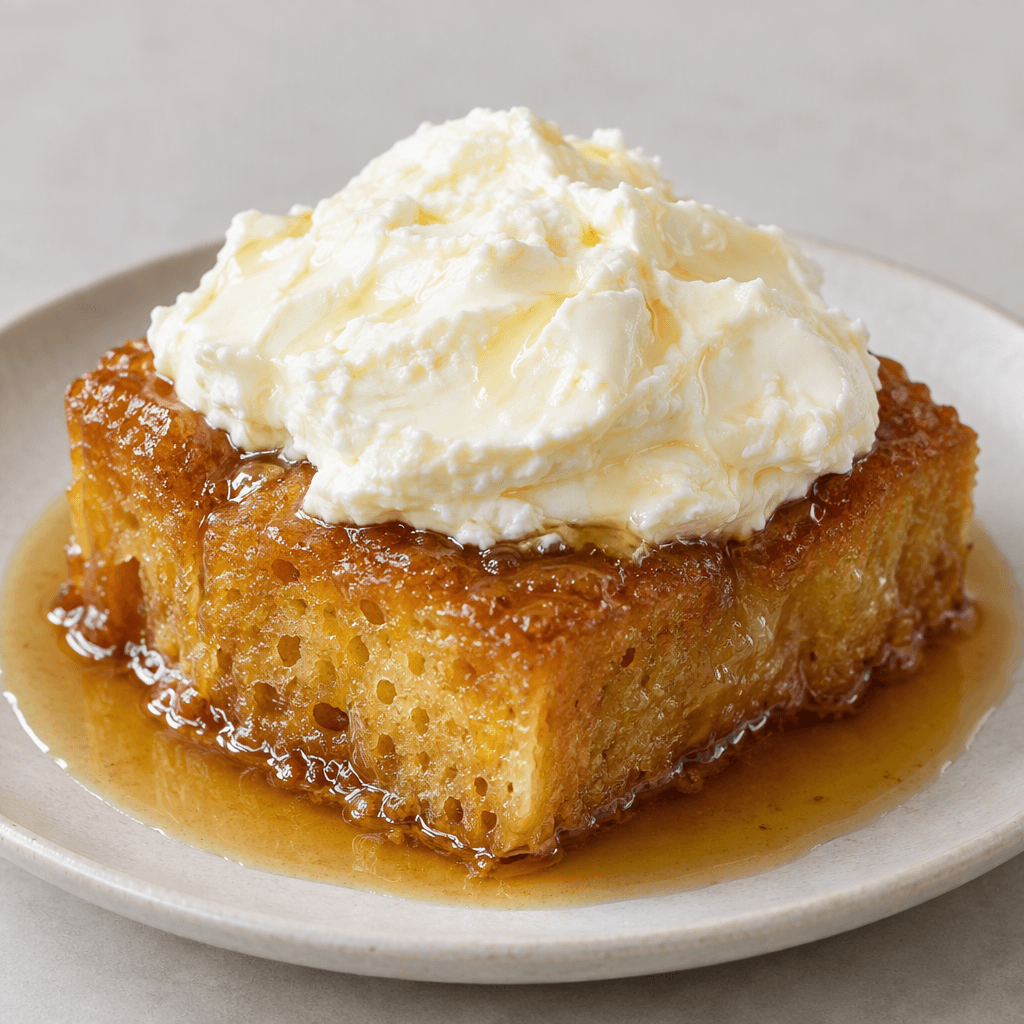
Ekmek Kadayif Calories
Traditional Turkish syrup-soaked dessert made from bread.
In season: Spring · Summer · Autumn · Winter
CALORIES
GI
POTASSIUM
FIBER
Quick answer
1 piece (medium) of Ekmek Kadayif (120 g) has 264 calories. That works out to 220 calories per 100 g. It contains 61.2 g of carbs, 2.6 g of protein, 1.4 g of fat and 1.3 g of fiber. Its 0.1 mg of Copper covers 7% of the Daily Value. Its glycemic index is 75 (high), so it raises blood sugar quickly.
What is Ekmek Kadayif?
Ekmek kadayif is a traditional Turkish dessert, especially associated with Afyonkarahisar. A thick, airy bread base is soaked in sugar syrup until tender, then commonly served with a generous spoonful of kaymak, a rich clotted cream.
The bread turns soft and syrupy while keeping a little structure, and the cool cream offsets its sweetness. In Turkey it is usually served after a meal or brought out for guests; elsewhere, it makes a distinctive finale to a shared dinner, with unsweetened tea or coffee alongside. It is mostly carbohydrate, with relatively little protein. Because the syrup makes it a rich-tasting dessert, a modest slice is often satisfying; a little kaymak gives the traditional creamy contrast.
Ekmek Kadayif Nutrition Facts
Selected: 100 g
220
KCAL / 100G
Carbs
51g
· 19% DV
Protein
2.2g
· 4% DV
Fat
1.2g
· 2% DV
Fiber
1.1g
· 4% DV
DV is the share of the daily value covered, on a 2,000 kcal reference diet.
Calories come from: Carbs 91% · Protein 4% · Fat 5%
Ekmek Kadayif Vitamins & Minerals
Vitamins
Biotin
1.2µg · 4% DV
B1
0.04mg · 3% DV
B3
0.4mg · 3% DV
Folate
10µg · 3% DV
Minerals
Iron
1mg · 6% DV
Sodium
120mg · 5% DV
Selenium
2.5µg · 5% DV
Phosphorus
32mg · 5% DV
How Nutritious Is Ekmek Kadayif?
Nutrient density
Low
How many vitamins, minerals and how much fiber this food carries per calorie. A high score means a lot of nutrition for few calories.
Satiety score
Low
An EatBetter score computed from fiber, protein and calorie density. A high score means staying full longer on the same calories.
Both scores are calculated per 100 g and do not change with the selected portion. The satiety score is EatBetter's own calculation, not a clinical measure.
Ekmek Kadayif Glycemic Index
GLYCEMIC INDEX
GLYCEMIC LOAD
Accounts for portion size — a more realistic measure than GI alone.
How to Burn Off Ekmek Kadayif
To burn the 220 calories in 100 g:
🚶
Walking (5 km/h)
🏃
Running (8 km/h)
🚴
Cycling
🏊
Swimming
Times are calculated with the MET equation for a 70 kg adult. Actual burn varies with your weight, age and pace.
Is Ekmek Kadayif Processed?
NOVA 3
Processed
1. Unprocessed
2. Minimally Processed
3. Processed
4. Ultra-Processed
NOVA classifies foods into 4 groups by industrial processing. NOVA 1 (unprocessed) is the healthiest.
Does Ekmek Kadayif Contain Allergens?
Contains these allergens:
Which Diets Is Ekmek Kadayif Good For?
Vegan
— Not suitable
Vegetarian
✓ Suitable
Gluten-Free
— Not suitable
Dairy-Free
— Not suitable
Mediterranean
✓ Suitable
Paleo
— Not suitable
Whole30
— Not suitable
DASH
— Not suitable
Keto
— Not suitable
Low FODMAP
— Not suitable
Ekmek Kadayif Fat Profile
SATURATED
0.2g
MONOUNSATURATED
0.3g
POLYUNSATURATED
0.13g
Omega 6:3 ratio 12:1
Above the ideal 4:1 (12:1).
Compare Ekmek Kadayif
Foods Similar to Ekmek Kadayif
Frequently Asked Questions About Ekmek Kadayif
What is Ekmek Kadayif?
Ekmek Kadayif is a Turkish dessert made by soaking a thick, porous bread base in sugar syrup until soft and glossy. It is commonly served with kaymak, a rich Turkish clotted cream.
How is Ekmek Kadayif traditionally made?
Ekmek Kadayif is made by softening a dried, porous bread base, then slowly cooking it with sugar syrup so the bread absorbs the liquid. Once tender and cooled, it is sliced and often topped with kaymak.
Where does Ekmek Kadayif come from?
Ekmek Kadayif is a Turkish dessert especially associated with Afyonkarahisar, a region also known for kaymak. It is enjoyed across Turkey, and recipes and serving styles vary between households and bakeries.
What is served with Ekmek Kadayif?
Ekmek Kadayif is most often served with kaymak, whose cool, creamy texture offsets the syrup-soaked bread. Some people enjoy it plain, but kaymak is the classic accompaniment, particularly in Afyon-style servings.
Is Ekmek Kadayif the same as kadayif?
No. Ekmek Kadayif uses a thick, sponge-like bread base, while Turkish tel kadayif is made from fine strands of dough. Both are commonly soaked in syrup, but their textures and preparation are quite different.
Why is Ekmek Kadayif soggy or still dry in the middle?
Ekmek Kadayif can turn soggy if it is oversaturated, or remain dry if the syrup has not reached the center. Let the base soften first and add the syrup gradually while cooking so it spreads through the bread.
Can you make Ekmek Kadayif with store-bought bread kadayif?
Yes. A ready-made Ekmek Kadayif base saves the step of preparing and drying the bread. Soften it as directed, then cook it with sugar syrup until tender and evenly soaked; serve with kaymak if desired.
How long does Ekmek Kadayif last in the fridge?
Keep Ekmek Kadayif covered in the refrigerator and eat it within a few days. If it has been topped with kaymak, refrigerate it promptly, and take out only the portion you plan to serve.
Can Ekmek Kadayif be made ahead?
Yes. You can prepare Ekmek Kadayif in advance and refrigerate it once it has cooled, giving the syrup time to settle into the bread. Add kaymak just before serving so it stays fresh and distinct.
Can you make Ekmek Kadayif less sweet?
Yes. Use less syrup or serve a smaller slice to make Ekmek Kadayif less sweet, while keeping its characteristic syrup-soaked texture. A modest topping of kaymak also balances the sweetness without changing how the bread base is made.
Have another question about Ekmek Kadayif?
Ask the AI nutrition coach — calories, portions, alternatives and more, answered in seconds in the app.

Scan calories with your camera
Instant AI nutrition analysis

Nutrition data compiled from USDA FoodData Central and scientific sources.