

Ready & Packaged Foods
All →Vegetables & Legumes
All →Desserts & Confectionery
All →Meat & Protein
All →Grains & Bakery
All →Beverages
All →Milk & Dairy
All →

BCAA Calories
Essential amino acid supplement for muscle growth
CALORIES
GI
POTASSIUM
FIBER
Quick answer
1 tablespoon (medium) of BCAA (7 g) has 28 calories. That works out to 400 calories per 100 g. It contains 0 g of carbs, 6.3 g of protein, 0 g of fat and 0 g of fiber. Its glycemic index is 0 (low), so it raises blood sugar slowly.
What is BCAA?
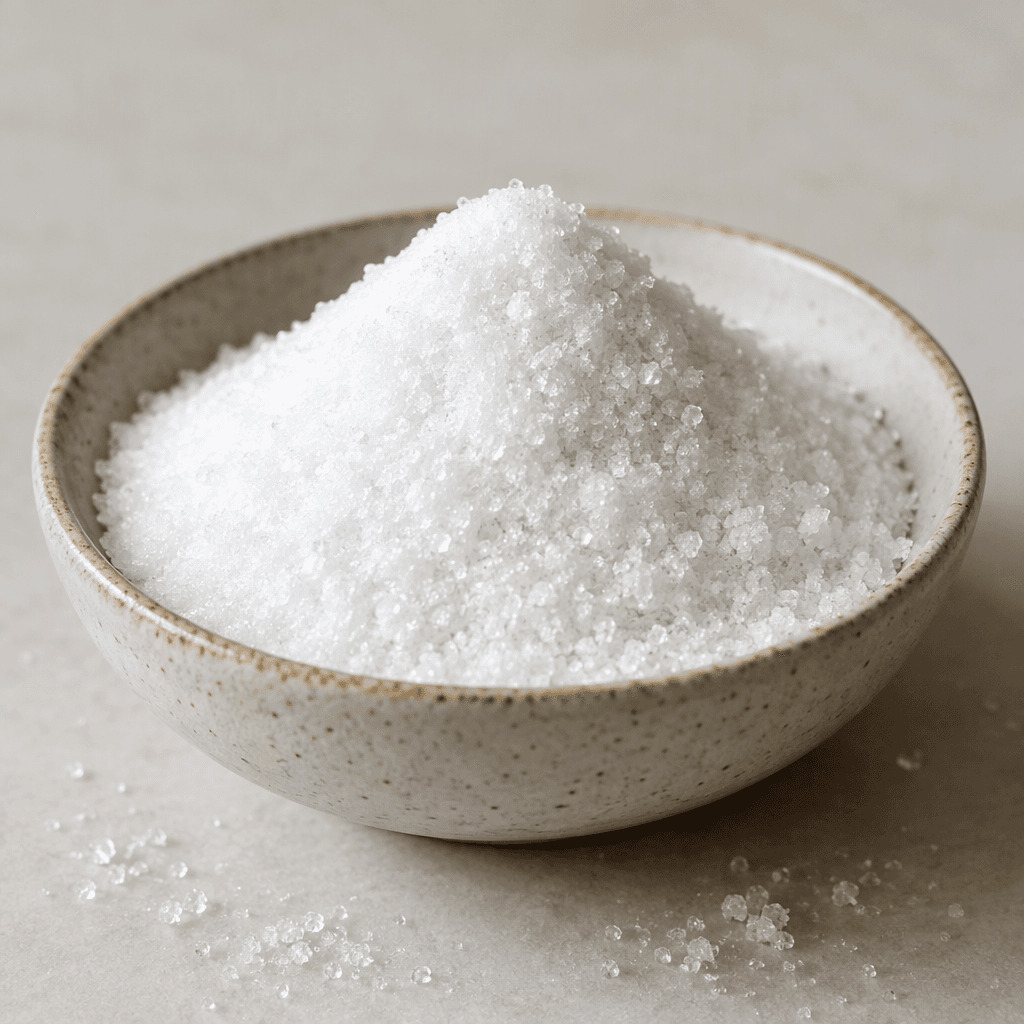
BCAA refers to the branched-chain amino acids leucine, isoleucine and valine. They are essential amino acids, meaning they must come from food or supplements. BCAA products are commonly sold as powders or capsules; the fine powder shown here is usually stirred into a drink.
The flavour can be mildly bitter or neutral, though many powders are flavoured. People who train often mix BCAA with water in a shaker and drink it around a workout. It is a concentrated amino-acid supplement, with no carbohydrate or fat listed here. If you choose to use it, follow the product’s serving directions, and treat it as a supplement rather than a replacement for protein-rich foods such as eggs, dairy, beans or meat.
BCAA Nutrition Facts
Selected: 100 g
400
KCAL / 100G
Carbs
0g
· 0% DV
Protein
90g
· 180% DV
Fat
0g
· 0% DV
Fiber
0g
· 0% DV
DV is the share of the daily value covered, on a 2,000 kcal reference diet.
Calories come from: Carbs 0% · Protein 100% · Fat 0%
BCAA Vitamins & Minerals
Vitamins
Vitamin A
0µg · 0% DV
B1
0mg · 0% DV
B2
0mg · 0% DV
B3
0mg · 0% DV
Minerals
Calcium
0mg · 0% DV
Iron
0mg · 0% DV
Magnesium
0mg · 0% DV
Zinc
0mg · 0% DV
How Nutritious Is BCAA?
Nutrient density
Low
How many vitamins, minerals and how much fiber this food carries per calorie. A high score means a lot of nutrition for few calories.
Satiety score
Low
An EatBetter score computed from fiber, protein and calorie density. A high score means staying full longer on the same calories.
Both scores are calculated per 100 g and do not change with the selected portion. The satiety score is EatBetter's own calculation, not a clinical measure.
BCAA Glycemic Index
GLYCEMIC INDEX
GLYCEMIC LOAD
Accounts for portion size — a more realistic measure than GI alone.
How to Burn Off BCAA
To burn the 400 calories in 100 g:
🚶
Walking (5 km/h)
🏃
Running (8 km/h)
🚴
Cycling
🏊
Swimming
Times are calculated with the MET equation for a 70 kg adult. Actual burn varies with your weight, age and pace.
Is BCAA Processed?
NOVA 3
Processed
1. Unprocessed
2. Minimally Processed
3. Processed
4. Ultra-Processed
NOVA classifies foods into 4 groups by industrial processing. NOVA 1 (unprocessed) is the healthiest.
Does BCAA Contain Allergens?
No known major allergens
Which Diets Is BCAA Good For?
Vegan
✓ Suitable
Vegetarian
✓ Suitable
Gluten-Free
✓ Suitable
Dairy-Free
— Not suitable
Mediterranean
✓ Suitable
Paleo
✓ Suitable
Whole30
— Not suitable
DASH
— Not suitable
Keto
✓ Suitable
Low FODMAP
— Not suitable
BCAA Fat Profile
SATURATED
0g
MONOUNSATURATED
0g
POLYUNSATURATED
0g
Compare BCAA
Foods Similar to BCAA
Frequently Asked Questions About BCAA
What does BCAA stand for?
BCAA stands for branched-chain amino acids: leucine, isoleucine and valine. They are essential amino acids, which means your body cannot make them and must get them from food or supplements.
What do BCAAs do?
BCAAs supply three amino acids used to build muscle proteins. They do not provide all the essential amino acids needed to make new muscle tissue, so a complete protein source is more comprehensive for supporting muscle protein synthesis.
Do BCAAs build muscle?
BCAAs alone do not build muscle. Leucine can help signal muscle protein synthesis, but building new tissue also requires the other essential amino acids, along with resistance training and enough protein from your overall diet.
Should you take BCAAs before or after a workout?
There is no well-established advantage to taking BCAAs specifically before rather than after a workout. If you already get enough protein, your total intake across the day matters more than timing a BCAA supplement around exercise.
Are BCAAs better than protein powder?
No. BCAAs provide only leucine, isoleucine and valine, while many protein powders provide all nine essential amino acids. If you want to add protein to your diet, a complete protein source is generally the more useful option.
Do you need to take BCAAs?
Most people do not need a BCAA supplement. Foods such as dairy, eggs, meat, soy and legumes already provide BCAAs; when your diet supplies enough protein, extra BCAAs are unlikely to add a meaningful muscle-building benefit.
What are the side effects of BCAAs?
BCAAs can cause nausea, stomach discomfort or diarrhea in some people. Taking more than the product recommends is not a shortcut to better results; stop using it if it causes persistent symptoms.
Can you take BCAAs on an empty stomach?
Yes, you can take BCAAs on an empty stomach, but doing so has no proven special benefit for muscle growth. If they upset your stomach, try taking them with food or stop using the supplement.
Do BCAAs break a fast?
Yes, BCAAs break a strict fast because amino acids provide energy and can trigger a metabolic response. If you observe a religious fast, take them only during the hours when eating and drinking are permitted.
Are BCAAs safe for people with kidney disease?
People with kidney disease should not start BCAAs without medical advice. The appropriate intake of amino acids and protein can depend on kidney function and treatment, so discuss the supplement and its serving directions with your healthcare professional.
Have another question about BCAA?
Ask the AI nutrition coach — calories, portions, alternatives and more, answered in seconds in the app.

Scan calories with your camera
Instant AI nutrition analysis

Nutrition data compiled from USDA FoodData Central and scientific sources.