

Ready & Packaged Foods
All →Vegetables & Legumes
All →Desserts & Confectionery
All →Meat & Protein
All →Grains & Bakery
All →Beverages
All →Milk & Dairy
All →

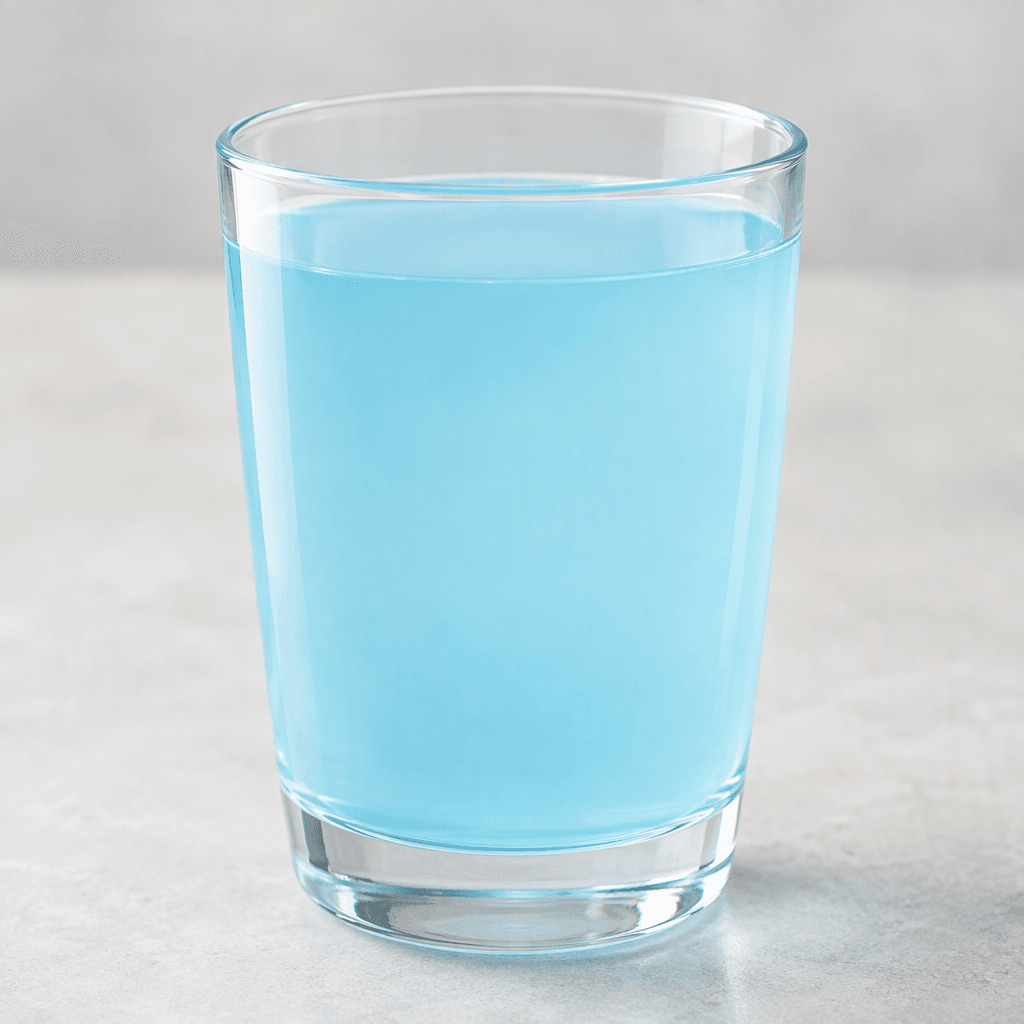
Proteinocean Electrolyte Calories
Electrolyte drink powder
CALORIES · 100 G
GI
POTASSIUM · 100 G
FIBER · 100 G
Quick answer
1 tablespoon (medium) of Proteinocean Electrolyte (10 g) has 38 calories. That works out to 380 calories per 100 g. It contains 9.5 g of carbs, 0 g of protein, 0 g of fat and 0 g of fiber. Its glycemic index is 70 (high), so it raises blood sugar quickly.
Proteinocean Electrolyte Nutrition Facts
Selected: 1 tablespoon (medium) · 10 g
38
KCAL / 10G
Carbs
9.5g
· 3% DV
Protein
0g
· 0% DV
Fat
0g
· 0% DV
Fiber
0g
· 0% DV
DV is the share of the daily value covered, on a 2,000 kcal reference diet.
Calories come from: Carbs 100% · Protein 0% · Fat 0%
Proteinocean Electrolyte nutrition facts table · 1 tablespoon (medium) (10 g)
| Nutrient | Amount | % DV |
|---|---|---|
| Calories | 38 kcal | |
| Total fat | 0 g | 0% |
| Saturated fat | 0 g | 0% |
| Trans fat | 0 g | |
| Sodium | 180 mg | 8% |
| Total carbohydrate | 9.5 g | 3% |
| Fiber | 0 g | 0% |
| Protein | 0 g | 0% |
Calories: Calories measure energy. Average daily need is 2,000 kcal. Excess calories are stored as fat, too few cause weight loss.
Carbs: Your body's primary energy source. The brain runs exclusively on carbs. Daily need: 275g.
Protein: Essential for muscle repair and cell growth. Daily need: 50g. Keeps you full and boosts metabolism.
Fat: Needed for hormone production and vitamin absorption. Daily need: 78g. Limit saturated fats, choose unsaturated.
Fiber: Critical for digestive health and satiety. Daily need: 28g. Stabilizes blood sugar, lowers cholesterol.

Log this food in EatBetter
100,000+ people use it
- Get your daily calorie target
- Snap your meal, log it in seconds
- See every vitamin and mineral

📸 Scan the code to get the app free.

How Many Calories in 1 Tablespoon of Proteinocean Electrolyte?
| Serving | Amount | Calories |
|---|---|---|
| 1 tablespoon (medium) | 10 g | 38 kcal |
| 1 teaspoon (small) | 5 g | 19 kcal |
| 1 pack (mini) | 10 g | 38 kcal |
| 1 serving (medium) | 12 g | 46 kcal |
| 2 tablespoon (double) | 20 g | 76 kcal |
| 1 serving (large) | 20 g | 76 kcal |
| 1 pack (double) | 20 g | 76 kcal |
| 100 g | 100 g | 380 kcal |
Calculated from 380 calories per 100 g.
Frequently Asked Questions About Proteinocean Electrolyte
What is Proteinocean Electrolyte used for?
Proteinocean Electrolyte is a powder mixed into a drink to provide electrolytes. It may be useful when prolonged exercise or heavy sweating increases fluid losses; for routine hydration without substantial sweating, plain water is usually enough.
How do you mix Proteinocean Electrolyte?
Mix Proteinocean Electrolyte with water following the preparation directions on its package. A typical serving is about 10 g, but use the product’s stated water amount rather than guessing the dilution.
Can you drink Proteinocean Electrolyte during a workout?
Yes, Proteinocean Electrolyte can be sipped during a workout when it is long or makes you sweat heavily. For a short, light session, water is generally sufficient and an electrolyte drink is often unnecessary.
Is Proteinocean Electrolyte better than a sports drink?
Not automatically; Proteinocean Electrolyte is a powder, while sports drinks are usually ready-to-drink, and their ingredients can differ. Compare the specific product labels and choose based on your exercise, hydration needs, and preference.
Can Proteinocean Electrolyte replace water?
No, Proteinocean Electrolyte should not replace water as your everyday drink. Use water for routine hydration, and consider the powder when exercise or heat causes substantial sweating and electrolyte loss.
Is Proteinocean Electrolyte safe to drink every day?
Daily use of Proteinocean Electrolyte is not necessary for most people. Water and regular meals generally cover everyday needs; reserve an electrolyte drink for situations with increased losses, such as prolonged exercise in hot weather.
Should you take Proteinocean Electrolyte before or after exercise?
Proteinocean Electrolyte can be used during or after exercise when you have sweated heavily. Taking it before a workout is not required for everyone; follow the package directions and drink water as needed.
Does Proteinocean Electrolyte contain caffeine?
Whether Proteinocean Electrolyte contains caffeine depends on the specific formulation. Check the ingredient list on your package instead of assuming it is caffeine-free, particularly if you avoid caffeine or are sensitive to it.
Can you use Proteinocean Electrolyte for a hangover?
Proteinocean Electrolyte may provide fluid and electrolytes, but it does not cure a hangover or speed alcohol clearance. Drink water and allow time for recovery; seek medical help for severe symptoms such as confusion or repeated vomiting.
Can Proteinocean Electrolyte be mixed with juice?
Water is the straightforward choice for mixing Proteinocean Electrolyte. Juice may change the drink’s sweetness and overall sugar content, so follow the package’s preparation directions and avoid adding more powder than instructed.
Proteinocean Electrolyte Vitamins & Minerals
Vitamins
Vitamin A
0µg · 0% DV
B1
0mg · 0% DV
B2
0mg · 0% DV
B3
0mg · 0% DV
Minerals
Sodium
180mg · 8% DV
Potassium ⭐
90mg · 3% DV
Magnesium
6mg · 1% DV
Calcium
12mg · 1% DV
Proteinocean Electrolyte Glycemic Index
GLYCEMIC INDEX
GLYCEMIC LOAD
Accounts for portion size — a more realistic measure than GI alone.
How to Burn Off Proteinocean Electrolyte
To burn the 38 calories in 1 tablespoon (medium) (10 g):
🚶
Walking (5 km/h)
🏃
Running (8 km/h)
🚴
Cycling
🏊
Swimming
Times are calculated with the MET equation for a 70 kg adult. Actual burn varies with your weight, age and pace.
What is Proteinocean Electrolyte?
Proteinocean Electrolyte is a powdered drink mix intended to be stirred into water and consumed as an electrolyte drink. It is prepared rather than eaten on its own, using the directions on the pack. Its taste and strength depend on the particular version and how much water you add; it can be served chilled. People may find it convenient during exercise, in hot weather or while travelling, though it need not replace everyday drinks or plain water. Its nutritional profile is mainly carbohydrate: per 100 g, it provides 95 g of carbohydrate and no protein or fat. For a less concentrated drink, follow the pack’s mixing instructions rather than adding extra powder.
How Nutritious Is Proteinocean Electrolyte?
Nutrient density
Low
How many vitamins, minerals and how much fiber this food carries per calorie. A high score means a lot of nutrition for few calories.
Satiety score
Low
An EatBetter score computed from fiber, protein and calorie density. A high score means staying full longer on the same calories.
Both scores are calculated per 100 g and do not change with the selected portion. The satiety score is EatBetter's own calculation, not a clinical measure.
Is Proteinocean Electrolyte Processed?
NOVA 3
Processed
1. Unprocessed
2. Minimally Processed
3. Processed
4. Ultra-Processed
NOVA classifies foods into 4 groups by industrial processing. NOVA 1 (unprocessed) is the healthiest.
Does Proteinocean Electrolyte Contain Allergens?
No known major allergens
Which Diets Is Proteinocean Electrolyte Good For?
Vegan
✓ Suitable
Vegetarian
✓ Suitable
Gluten-Free
✓ Suitable
Dairy-Free
— Not suitable
Mediterranean
— Not suitable
Paleo
— Not suitable
Whole30
— Not suitable
DASH
— Not suitable
Keto
— Not suitable
Low FODMAP
— Not suitable
Proteinocean Electrolyte Fat Profile
SATURATED
0g
MONOUNSATURATED
0g
POLYUNSATURATED
0g
Compare Proteinocean Electrolyte
Foods Similar to Proteinocean Electrolyte
Have another question about Proteinocean Electrolyte?
Ask the AI nutrition coach — calories, portions, alternatives and more, answered in seconds in the app.

Scan calories with your camera
Instant AI nutrition analysis

Nutrition data compiled from USDA FoodData Central and scientific sources.