

Ready & Packaged Foods
All →Vegetables & Legumes
All →Desserts & Confectionery
All →Meat & Protein
All →Grains & Bakery
All →Beverages
All →Milk & Dairy
All →

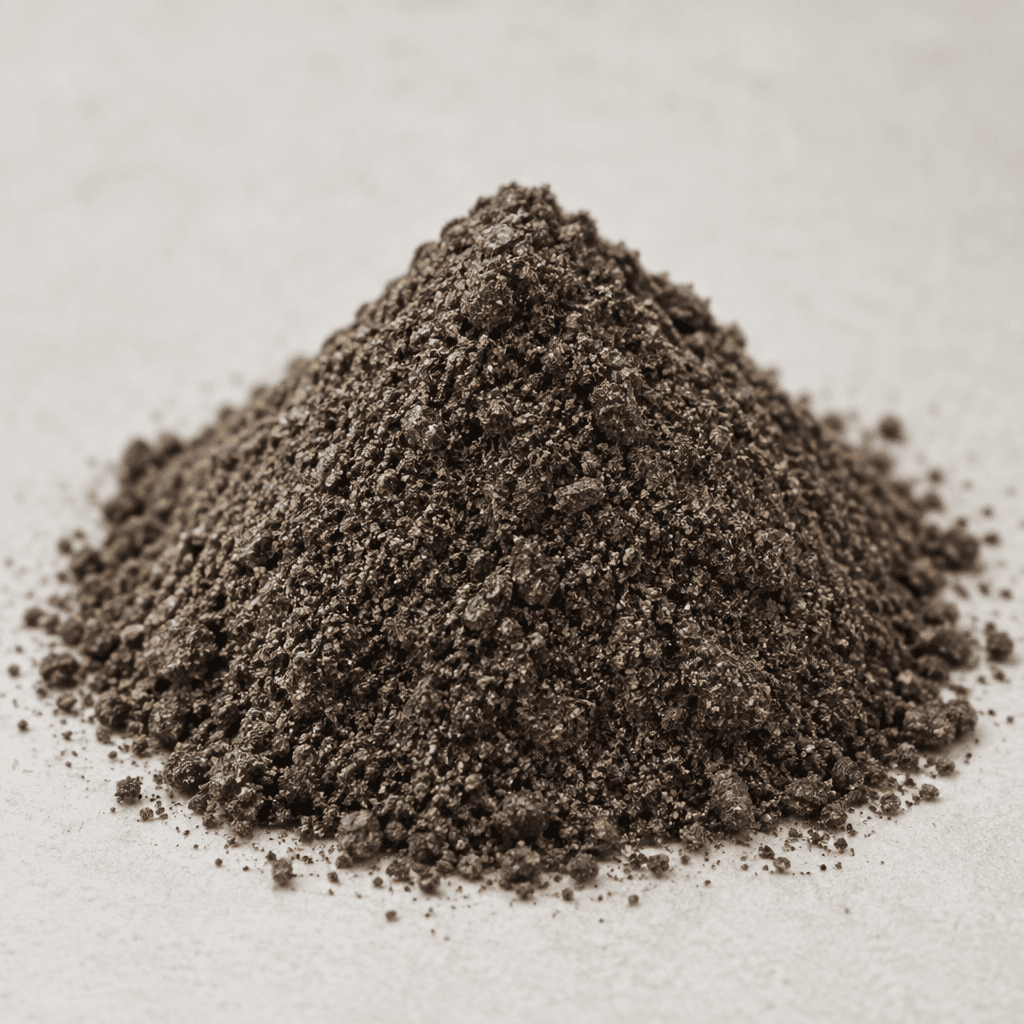
Black pepper powder Calories
Intensely aromatic spice, source of antioxidants
In season: Spring · Summer · Autumn · Winter
CALORIES
GI
POTASSIUM
FIBER
Quick answer
1 teaspoon (medium) of Black pepper powder (2 g) has 6 calories. That works out to 255 calories per 100 g. It contains 1.5 g of carbs, 0.2 g of protein, 0.1 g of fat and 0.6 g of fiber. Its 0.1 mg of Manganese covers 6% of the Daily Value. Its glycemic index is 15 (low), so it raises blood sugar slowly.
What is Black pepper powder?
Black pepper powder is made by grinding dried peppercorns, the berries of the pepper plant, which originated in South Asia. Its sharp, warm aroma and faint woody bite bring depth to food; freshly ground pepper tends to smell especially lively.
It is used around the world at the table and in cooking, from seasoning soups, eggs and roasted vegetables to forming part of spice blends and marinades. In Turkey, it is also a familiar addition to menemen and other home-cooked dishes. Although it contains fibre and other nutrients per 100 g, the small amounts usually used mean it contributes little to a meal’s overall nutrition. Add it with lemon, herbs or garlic for flavour without relying on extra salt.
Black pepper powder Nutrition Facts
Selected: 100 g
255
KCAL / 100G
Carbs
64.8g
· 24% DV
Protein
10.4g
· 21% DV
Fat
3.3g
· 4% DV
Fiber
25.3g
· 90% DV
DV is the share of the daily value covered, on a 2,000 kcal reference diet.
Calories come from: Carbs 78% · Protein 13% · Fat 9%
Black pepper powder Vitamins & Minerals
Vitamins
Vitamin K
163µg · 136% DV
Vitamin C
21mg · 23% DV
B6
0.29mg · 17% DV
B2
0.12mg · 9% DV
Minerals
Manganese
6mg · 261% DV
Copper
1mg · 111% DV
Iron
10mg · 56% DV
Calcium
443mg · 44% DV
How Nutritious Is Black pepper powder?
Nutrient density
High
How many vitamins, minerals and how much fiber this food carries per calorie. A high score means a lot of nutrition for few calories.
Satiety score
High
An EatBetter score computed from fiber, protein and calorie density. A high score means staying full longer on the same calories.
Both scores are calculated per 100 g and do not change with the selected portion. The satiety score is EatBetter's own calculation, not a clinical measure.
Black pepper powder Glycemic Index
GLYCEMIC INDEX
GLYCEMIC LOAD
Accounts for portion size — a more realistic measure than GI alone.
How to Burn Off Black pepper powder
To burn the 255 calories in 100 g:
🚶
Walking (5 km/h)
🏃
Running (8 km/h)
🚴
Cycling
🏊
Swimming
Times are calculated with the MET equation for a 70 kg adult. Actual burn varies with your weight, age and pace.
Is Black pepper powder Processed?
NOVA 2
Minimally Processed
1. Unprocessed
2. Minimally Processed
3. Processed
4. Ultra-Processed
NOVA classifies foods into 4 groups by industrial processing. NOVA 1 (unprocessed) is the healthiest.
Does Black pepper powder Contain Allergens?
No known major allergens
Which Diets Is Black pepper powder Good For?
Vegan
✓ Suitable
Vegetarian
✓ Suitable
Gluten-Free
✓ Suitable
Dairy-Free
— Not suitable
Mediterranean
✓ Suitable
Paleo
✓ Suitable
Whole30
— Not suitable
DASH
— Not suitable
Keto
✓ Suitable
Low FODMAP
— Not suitable
Black pepper powder Fat Profile
SATURATED
1.39g
MONOUNSATURATED
0.65g
POLYUNSATURATED
1.04g
Omega 6:3 ratio 4:1
Below the ideal 4:1 — a good omega balance.
Compare Black pepper powder
Foods Similar to Black pepper powder
Frequently Asked Questions About Black pepper powder
What is black pepper powder used for?
Black pepper powder adds a warm, sharp flavor to soups, sauces, eggs, vegetables, and meat. It blends easily into rubs and marinades, while a pinch at the table can brighten a finished dish without changing its texture.
Is black pepper powder healthy?
Black pepper powder contains piperine and antioxidant compounds, but it is usually eaten in small amounts. It can add flavor without relying on extra salt, but it is a seasoning—not a treatment or a substitute for a balanced diet.
What is the difference between black pepper powder and white pepper?
Black pepper powder is made from the dried outer fruit of the pepper plant, while white pepper is made from the seed after the outer layer is removed. Black pepper usually tastes more aromatic and piney; white pepper is earthier and often used in pale sauces.
Can black pepper powder replace whole peppercorns?
Yes, black pepper powder can replace whole peppercorns in many recipes, especially when the pepper is meant to be eaten. It releases flavor quickly and can make a dish cloudy, so it is not ideal when whole peppercorns are meant to be strained out.
Does black pepper powder expire?
Black pepper powder gradually loses its aroma and bite, even when it remains safe to use. Discard it if it becomes damp, moldy, or develops an unusual smell; keep it tightly closed in a cool, dry cupboard to preserve its flavor.
Should you add black pepper powder before or after cooking?
For the freshest aroma, add black pepper powder near the end of cooking or at the table. It can go into marinades and recipes that need the flavor to infuse throughout, but prolonged cooking may dull its sharper notes.
Does black pepper powder help your body absorb turmeric?
Yes, piperine in black pepper powder can increase the absorption of curcumin, turmeric’s best-known compound. The pair is often used together in cooking, but this effect does not mean that either spice treats or prevents disease.
Can black pepper powder cause heartburn?
Yes, black pepper powder can trigger heartburn or irritation in some people, particularly when a dish contains a lot of it. If you notice symptoms after eating peppery foods, use less or leave it out of that meal.
Why does black pepper powder make you sneeze?
Black pepper powder can make you sneeze because tiny particles irritate the sensitive lining of your nose. Pour it gently, avoid breathing in the dust, and keep the container away from your face when seasoning a dish.
Is freshly ground black pepper better than black pepper powder?
Freshly ground black pepper often has a stronger aroma because its flavorful oils are released shortly before use. Pre-ground black pepper powder is more convenient and mixes evenly, but its flavor fades faster once exposed to air.
Have another question about Black pepper powder?
Ask the AI nutrition coach — calories, portions, alternatives and more, answered in seconds in the app.

Scan calories with your camera
Instant AI nutrition analysis

Nutrition data compiled from USDA FoodData Central and scientific sources.