


High-Protein Foods: The Best Sources of Protein
Compare high-protein foods including poultry, fish, dairy, eggs, tofu, edamame and lentils, with practical tips for adding more protein to meals.
EatBetter · October 1, 2026 · 4 min read
Contents
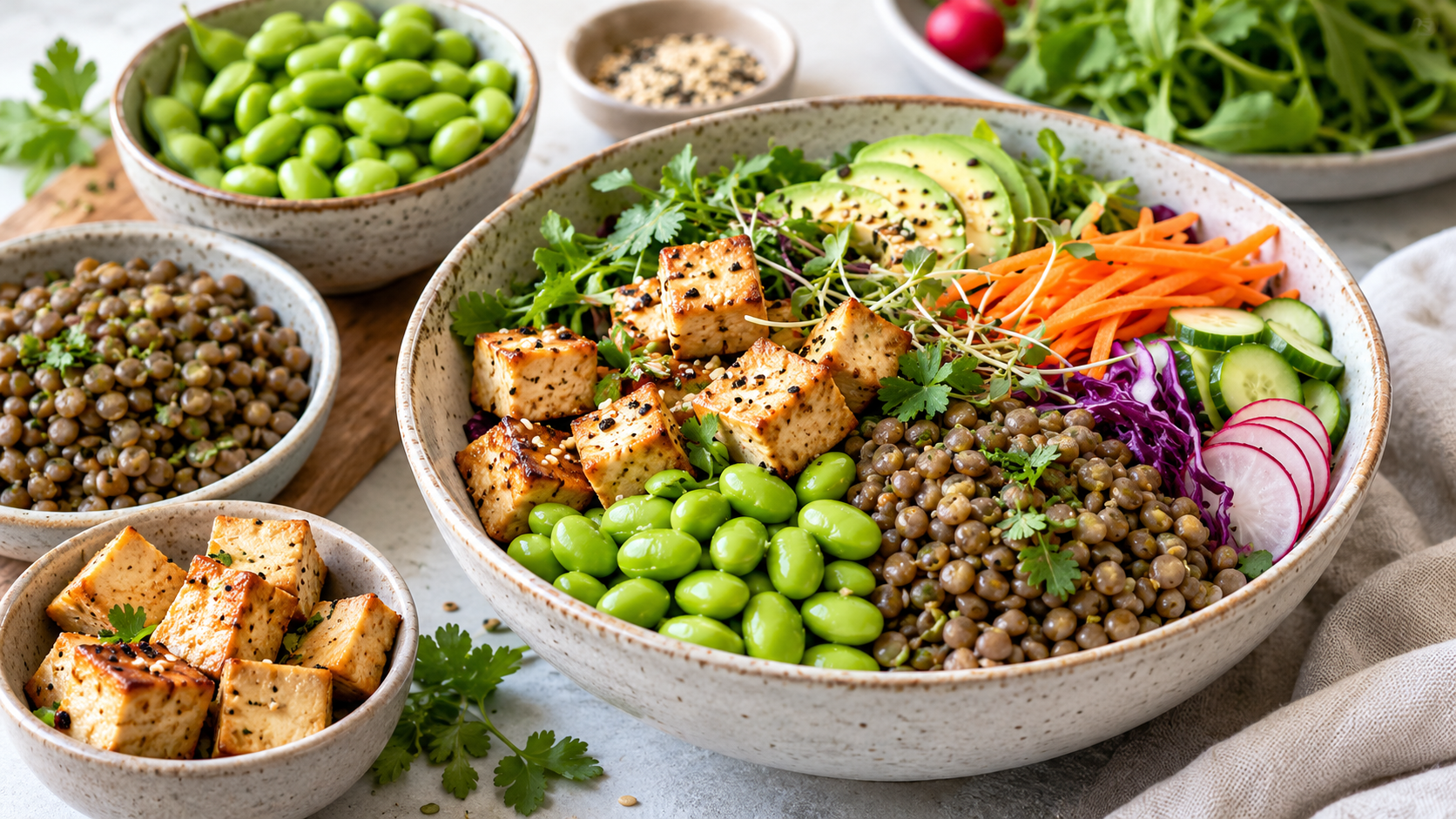
Protein is found in both animal and plant foods. The best source for you depends on your overall diet, preferences, budget and nutritional needs.
Quick answer: Lean poultry, fish, dairy foods, eggs, tofu, soybeans and legumes can all contribute meaningful protein. Instead of searching for one "best" protein food, aim for variety across meals.
High-protein foods at a glance
Approximate EatBetter values per 100 g:
| Food | Protein | Calories |
|---|---|---|
| Turkey | 29 g | 135 kcal |
| Tuna | 28 g | 132 kcal |
| Chicken breast | 23.1 g | 110 kcal |
| High-protein cottage cheese | 16 g | 100 kcal |
| Boiled egg | 13 g | 155 kcal |
| Edamame | 11.2 g | 121 kcal |
| Green lentils, boiled | 9 g | 116 kcal |
| Natural tofu | 8.1 g | 76 kcal |
| Plain yogurt | 3.5 g | 61 kcal |
Values vary by product and preparation.
1. Chicken breast
Chicken Breast
Meat & Protein · 110 kcal / 100g
View →
Chicken breast is a lean protein source and can be used in:
- salads
- wraps
- grain bowls
- soups
- main meals
The final calorie value depends heavily on oil, breading and sauces.
2. Turkey
Turkey is another lean poultry option.
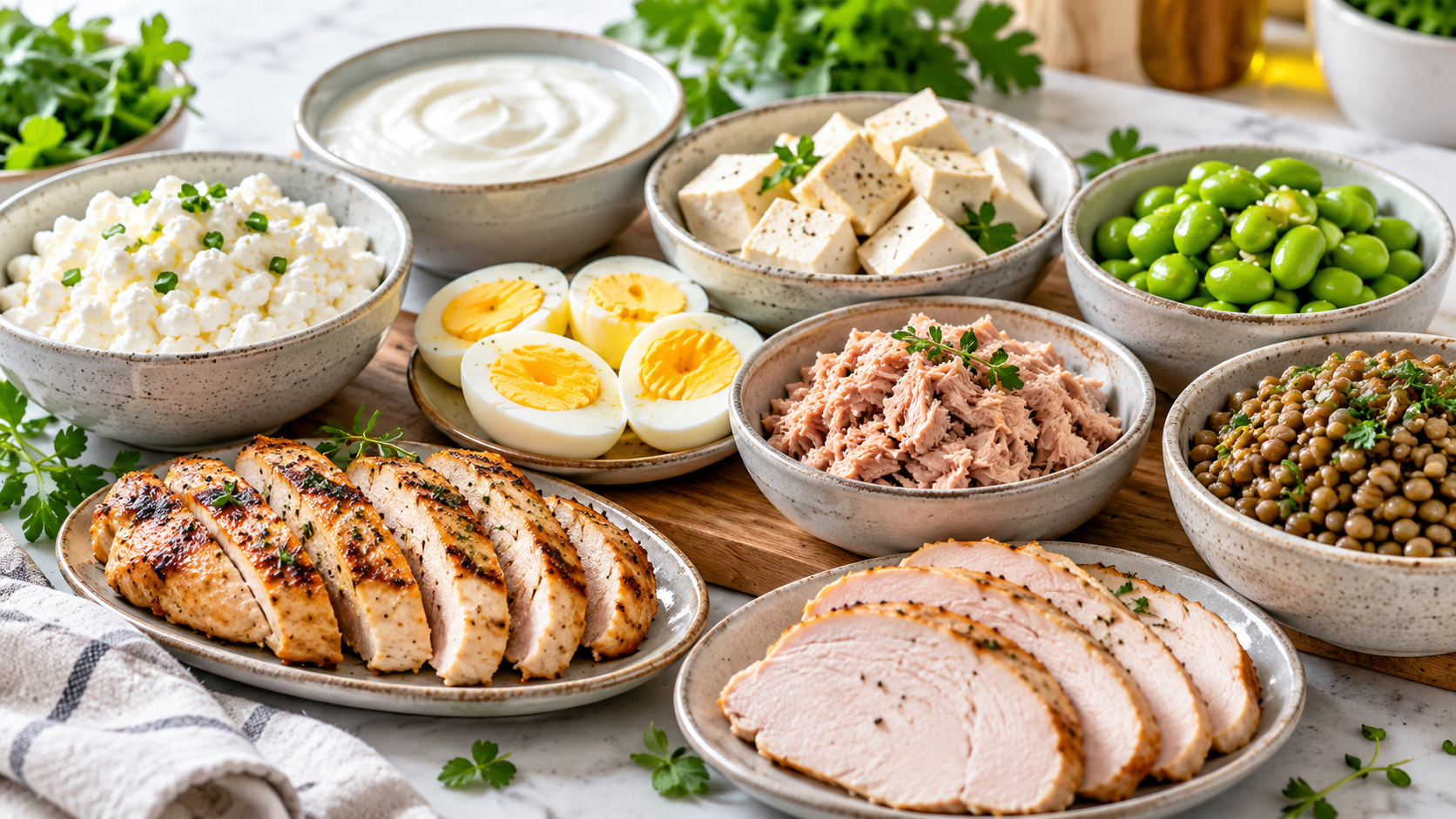
Plain turkey provides a high amount of protein relative to calories, while processed turkey products may have different sodium and fat levels.
3. Tuna
Tuna
Fish · 132 kcal / 100g
View →
Tuna provides high protein and also contains nutrients such as selenium and vitamin B12.
Compare tuna in water with tuna in oil because the calorie and fat content can differ.
4. Cottage cheese
Cottage Cheese (High Protein)
Milk & Dairy · 100 kcal / 100g
View →
Cottage cheese can be convenient for:
- breakfast
- snacks
- savory bowls
- toast
- fruit combinations
Protein content varies by brand.
5. Eggs
Boiled Egg
Meat & Protein · 155 kcal / 100g
View →
Eggs provide protein along with fat and multiple micronutrients.
They are easy to portion and work in breakfast, salads and sandwiches.
6. Edamame
Edamame
Vegetables & Legumes · 121 kcal / 100g
View →
Edamame contains both protein and fiber.
It can work in:
- salads
- snack bowls
- stir-fries
- grain bowls
7. Lentils
Green Lentils (Boiled)
Vegetables & Legumes · 116 kcal / 100g
View →
Lentils contain protein, fiber, folate and minerals.
Their protein density is lower than lean meat, but their fiber content makes them nutritionally different and useful in plant-based meals.
8. Tofu
Natural Tofu
Meat & Protein · 76 kcal / 100g
View →
Tofu is a versatile soy-based protein.
It absorbs flavors well and can be:
- baked
- stir-fried
- scrambled
- blended
- added to soups
9. Yogurt
Plain Yogurt
Milk & Dairy · 61 kcal / 100g
View →
Yogurt protein varies widely.
Greek-style and high-protein yogurts can contain considerably more protein than standard yogurt.
Choose the food page or product that matches what you actually eat.
How to add more protein without making meals complicated
Add one clear protein anchor
Build the meal around:
- chicken
- fish
- eggs
- yogurt
- cottage cheese
- tofu
- lentils
- beans
Spread protein across the day
Instead of trying to eat most of your protein at dinner, include a source at breakfast, lunch, dinner and snacks if that fits your routine.
Combine plant proteins
Plant-based eating does not require every individual meal to contain every essential amino acid in a perfect ratio. Variety across the day is more practical.
Keep the rest of the meal balanced
Protein is important, but meals also need:
- fiber
- carbohydrates
- fats
- vitamins
- minerals
Stop guessing your portions 📲
Photograph your meal and let EatBetter break down calories and macros in seconds.


Is more protein always better?
No.
Protein requirements vary with:
- body size
- age
- activity
- pregnancy and lactation
- health conditions
- training goals
More protein is not automatically better if it crowds out other foods or exceeds what is appropriate for your situation.
Explore related EatBetter pages
Sources
- EatBetter — Food Guide: https://www.eatbetter.app/en
- NIH Office of Dietary Supplements — Exercise and Athletic Performance: https://ods.od.nih.gov/factsheets/ExerciseAndAthleticPerformance-HealthProfessional/
- NCBI Bookshelf — Evaluation of Dietary Protein and Amino Acid Requirements: https://www.ncbi.nlm.nih.gov/books/NBK614631/
Note: Protein requirements are individual. People with kidney disease or other medical conditions should seek individualized advice.
Frequently asked questions
What food is highest in protein?
Lean meats and fish often provide a high amount of protein per 100 g. Turkey, tuna and chicken breast are examples.
What are good vegetarian protein foods?
Eggs, dairy foods, tofu, edamame, lentils, beans, nuts and seeds can all contribute protein.
Are lentils high in protein?
Lentils contain meaningful plant protein and also provide fiber. They are less protein-dense than lean meat but offer different nutritional benefits.
Is yogurt a high-protein food?
Some yogurts are. Greek-style and high-protein products generally contain more protein than standard plain yogurt.
Do I need protein supplements?
Not necessarily. Many people can meet protein needs with food. Supplements can be convenient in some situations but are not required.
