

Ready & Packaged Foods
All →Vegetables & Legumes
All →Desserts & Confectionery
All →Meat & Protein
All →Grains & Bakery
All →Beverages
All →Milk & Dairy
All →

Tequila Calories
Mexican spirit, low carb, gluten-free
In season: Spring · Summer · Autumn · Winter
CALORIES
GI
POTASSIUM
FIBER
Quick answer
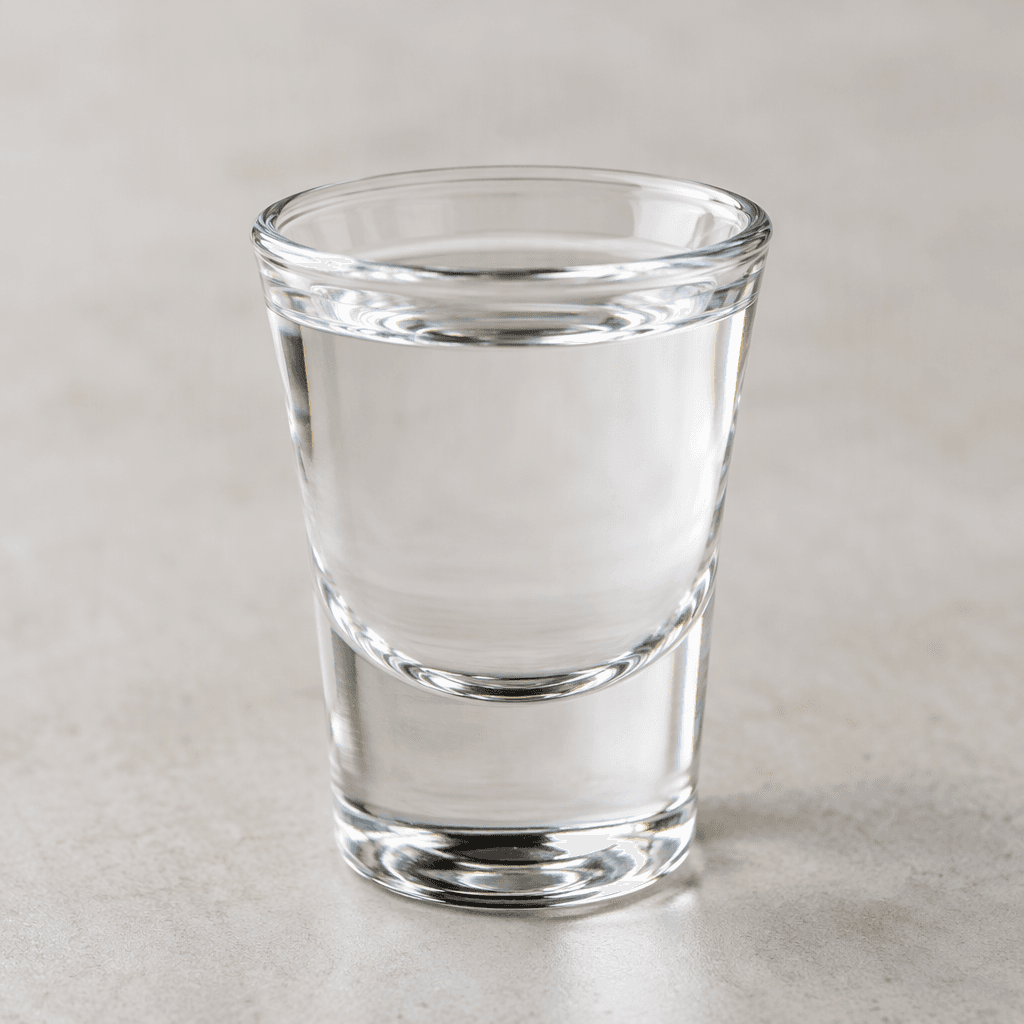
1 ounce (medium) of Tequila (28 g) has 65 calories. That works out to 231 calories per 100 g. It contains 0.2 g of carbs, 0 g of protein, 0 g of fat and 0 g of fiber. Its glycemic index is 0 (low), so it raises blood sugar slowly.
What is Tequila?
Tequila is a distilled spirit made from the blue agave plant and associated with specific regions of Mexico. It may be clear and crisp, or aged to develop a deeper colour and flavour.
In Mexico it is often sipped neat, while margaritas and other cocktails have made it familiar worldwide. Its flavour can be earthy, vegetal and gently sweet. Tequila is very low in carbohydrates—0.7 g per 100 g—but its energy comes mainly from alcohol. For a less sugary drink, serve it with soda and fresh lime rather than a sweet mixer; it can also be enjoyed in a small pour alongside food.
Tequila Nutrition Facts
Selected: 100 g
231
KCAL / 100G
Carbs
0.7g
· 0% DV
Protein
0g
· 0% DV
Fat
0g
· 0% DV
Fiber
0g
· 0% DV
DV is the share of the daily value covered, on a 2,000 kcal reference diet.
Calories come from: Carbs 100% · Protein 0% · Fat 0%
Tequila Vitamins & Minerals
Vitamins
Vitamin A
0µg · 0% DV
B1
0mg · 0% DV
B2
0mg · 0% DV
B3
0mg · 0% DV
Minerals
Calcium
1mg · 0% DV
Iron
0mg · 0% DV
Magnesium
1mg · 0% DV
Zinc
0mg · 0% DV
How Nutritious Is Tequila?
Nutrient density
Low
How many vitamins, minerals and how much fiber this food carries per calorie. A high score means a lot of nutrition for few calories.
Satiety score
Low
An EatBetter score computed from fiber, protein and calorie density. A high score means staying full longer on the same calories.
Both scores are calculated per 100 g and do not change with the selected portion. The satiety score is EatBetter's own calculation, not a clinical measure.
Tequila Glycemic Index
GLYCEMIC INDEX
GLYCEMIC LOAD
Accounts for portion size — a more realistic measure than GI alone.
How to Burn Off Tequila
To burn the 231 calories in 100 g:
🚶
Walking (5 km/h)
🏃
Running (8 km/h)
🚴
Cycling
🏊
Swimming
Times are calculated with the MET equation for a 70 kg adult. Actual burn varies with your weight, age and pace.
Is Tequila Processed?
NOVA 3
Processed
1. Unprocessed
2. Minimally Processed
3. Processed
4. Ultra-Processed
NOVA classifies foods into 4 groups by industrial processing. NOVA 1 (unprocessed) is the healthiest.
Does Tequila Contain Allergens?
No known major allergens
Which Diets Is Tequila Good For?
Vegan
✓ Suitable
Vegetarian
✓ Suitable
Gluten-Free
✓ Suitable
Dairy-Free
— Not suitable
Mediterranean
✓ Suitable
Paleo
— Not suitable
Whole30
— Not suitable
DASH
— Not suitable
Keto
✓ Suitable
Low FODMAP
— Not suitable
Tequila Fat Profile
SATURATED
0g
MONOUNSATURATED
0g
POLYUNSATURATED
0g
Compare Tequila
Foods Similar to Tequila
Frequently Asked Questions About Tequila
What is tequila made from?
Tequila is made by fermenting and distilling sugars from cooked blue agave. Despite the common misconception, agave is not a cactus; authentic tequila production is tied to specific regions of Mexico.
What is the difference between tequila and mezcal?
Tequila is a type of mezcal made specifically from blue agave in designated parts of Mexico. Mezcal can use other agave varieties, and its agave is often cooked in underground pits, giving it a smoky flavor.
How do you drink tequila?
You can sip tequila neat, serve it as a shot, or mix it into a cocktail such as a Margarita. Sipping it slowly is a good way to notice the agave and barrel flavors.
What are the different types of tequila?
The main tequila categories are blanco, reposado, añejo, and extra añejo. They are distinguished largely by how long the spirit rests in oak barrels, which affects its color, aroma, and flavor.
Does tequila go bad after opening?
Opened tequila usually does not spoil easily, but air and light can gradually dull its flavor. Keep the cap tightly closed and finish the bottle while its aroma still tastes fresh.
How should you store tequila?
Store tequila upright with the cap tightly closed in a cool, dark place. Heat and direct sunlight can affect its flavor, and refrigeration is not necessary.
How is tequila made?
Tequila makers cook blue agave hearts to release their sugars, then ferment and distill the resulting liquid. Some tequila is bottled soon after distillation, while other types rest in oak barrels.
Why is there a worm in some tequila bottles?
The worm is associated with some bottles of mezcal, not authentic tequila as a defining feature. Its presence does not indicate that a bottle is higher quality or that all tequila contains one.
What mixes well with tequila?
Tequila pairs well with lime, grapefruit, soda water, and orange juice. These flavors work in familiar drinks such as Margaritas and Palomas, while a blanco tequila can also be mixed simply with soda and citrus.
Does tequila cause a hangover?
Yes, tequila can contribute to a hangover when you drink too much, just like other alcoholic drinks. Drinking slowly and having water alongside it can help reduce dehydration, but does not prevent alcohol’s effects.
Have another question about Tequila?
Ask the AI nutrition coach — calories, portions, alternatives and more, answered in seconds in the app.

Scan calories with your camera
Instant AI nutrition analysis

Nutrition data compiled from USDA FoodData Central and scientific sources.