

Ready & Packaged Foods
All →Vegetables & Legumes
All →Desserts & Confectionery
All →Meat & Protein
All →Grains & Bakery
All →Beverages
All →Milk & Dairy
All →

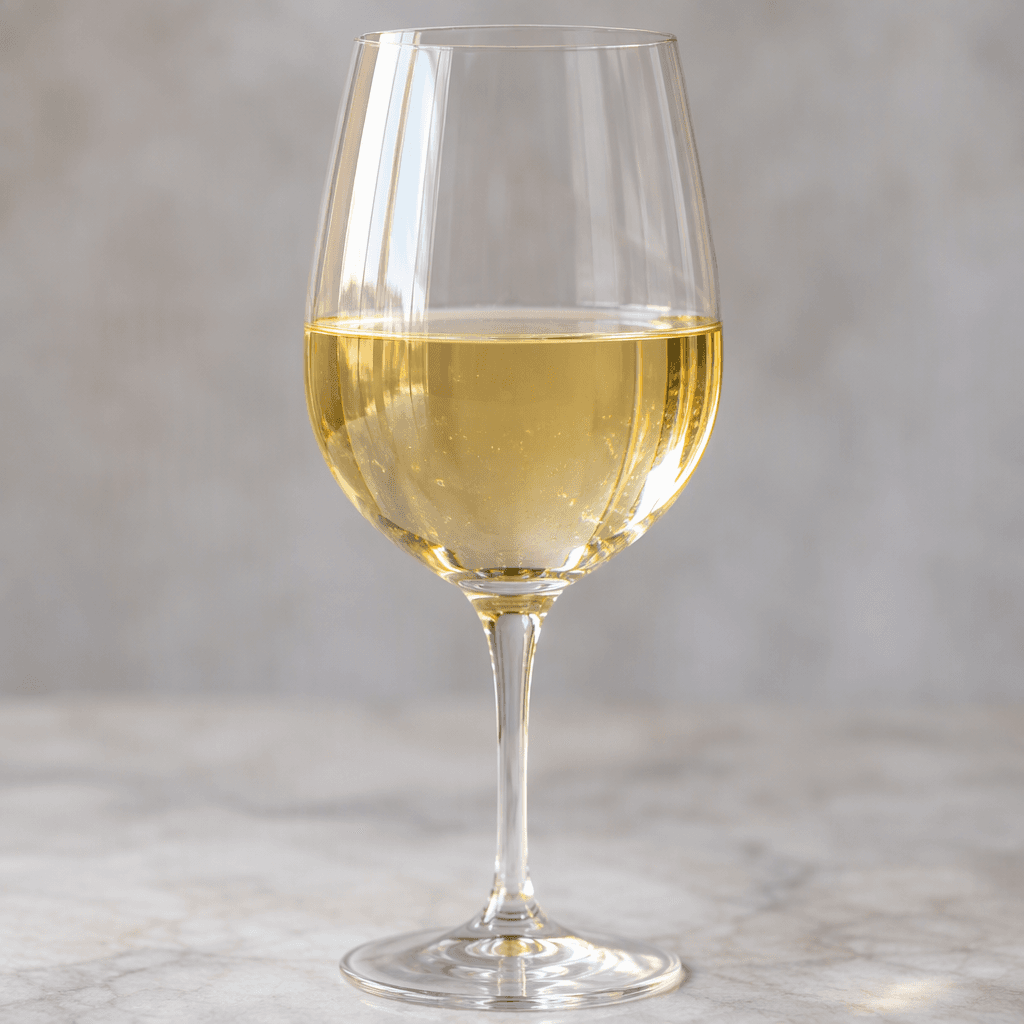
Semi-sweet white wine Calories
Moderate sweetness, light fruity aroma, typically 9-12% alcohol
In season: Autumn · Winter · Spring · Summer
CALORIES
GI
POTASSIUM
FIBER
Quick answer
1 cup (medium) of Semi-sweet white wine (150 g) has 123 calories. That works out to 82 calories per 100 g. It contains 6.8 g of carbs, 0.2 g of protein, 0 g of fat and 0 g of fiber. Its glycemic index is 35 (low), so it raises blood sugar slowly.
What is Semi-sweet white wine?
Semi-sweet white wine is made by fermenting white grapes, with some sweetness remaining to balance the grapes’ acidity. Its flavour depends on the grape variety and region, but it often has a light, fruity aroma and a softer sweetness than a dessert wine.
Serve it chilled with fish, seafood, mild cheeses or lighter appetisers; it can also be enjoyed on its own. In Turkey, it may accompany a fish meal or meze, while elsewhere serving traditions vary by region and style. Its energy comes largely from alcohol, and it typically contains 9–12% alcohol. For a fresher pairing, choose simply prepared dishes rather than very rich or heavily spiced food.
Semi-sweet white wine Nutrition Facts
Selected: 100 g
82
KCAL / 100G
Carbs
4.5g
· 2% DV
Protein
0.1g
· 0% DV
Fat
0g
· 0% DV
Fiber
0g
· 0% DV
DV is the share of the daily value covered, on a 2,000 kcal reference diet.
Calories come from: Carbs 98% · Protein 2% · Fat 0%
Semi-sweet white wine Vitamins & Minerals
Vitamins
B2
0.02mg · 2% DV
B1
0.01mg · 1% DV
B3
0.1mg · 1% DV
B6
0.02mg · 1% DV
Minerals
Magnesium
10mg · 2% DV
Phosphorus
13mg · 2% DV
Potassium ⭐
70mg · 2% DV
Calcium
8mg · 1% DV
How Nutritious Is Semi-sweet white wine?
Nutrient density
Low
How many vitamins, minerals and how much fiber this food carries per calorie. A high score means a lot of nutrition for few calories.
Satiety score
Low
An EatBetter score computed from fiber, protein and calorie density. A high score means staying full longer on the same calories.
Both scores are calculated per 100 g and do not change with the selected portion. The satiety score is EatBetter's own calculation, not a clinical measure.
Semi-sweet white wine Glycemic Index
GLYCEMIC INDEX
GLYCEMIC LOAD
Accounts for portion size — a more realistic measure than GI alone.
How to Burn Off Semi-sweet white wine
To burn the 82 calories in 100 g:
🚶
Walking (5 km/h)
🏃
Running (8 km/h)
🚴
Cycling
🏊
Swimming
Times are calculated with the MET equation for a 70 kg adult. Actual burn varies with your weight, age and pace.
Is Semi-sweet white wine Processed?
NOVA 3
Processed
1. Unprocessed
2. Minimally Processed
3. Processed
4. Ultra-Processed
NOVA classifies foods into 4 groups by industrial processing. NOVA 1 (unprocessed) is the healthiest.
Does Semi-sweet white wine Contain Allergens?
No known major allergens
Which Diets Is Semi-sweet white wine Good For?
Vegan
✓ Suitable
Vegetarian
✓ Suitable
Gluten-Free
✓ Suitable
Dairy-Free
— Not suitable
Mediterranean
✓ Suitable
Paleo
— Not suitable
Whole30
— Not suitable
DASH
— Not suitable
Keto
— Not suitable
Low FODMAP
— Not suitable
Semi-sweet white wine Fat Profile
SATURATED
0g
MONOUNSATURATED
0g
POLYUNSATURATED
0g
Compare Semi-sweet white wine
Foods Similar to Semi-sweet white wine
Frequently Asked Questions About Semi-sweet white wine
Is semi-sweet white wine sweet?
Yes, semi-sweet white wine tastes sweeter than dry white wine but is usually less sweet than dessert wine. Its fruit aromas can make the sweetness seem more noticeable, and the exact taste varies by bottle.
What food goes well with semi-sweet white wine?
Semi-sweet white wine pairs well with seafood, mild cheeses, fruit-based salads, and spicy dishes. Its touch of sweetness can balance heat, while lighter foods let the wine’s fruity aromas come through.
Should semi-sweet white wine be served chilled?
Yes, serve semi-sweet white wine chilled. Cooling it helps keep the fruit flavors lively and makes its sweetness feel more balanced; refrigerate the bottle before serving rather than pouring it warm.
What is the difference between semi-sweet and dry white wine?
Semi-sweet white wine retains more residual sugar than dry white wine, so it tastes sweeter and often softer. Dry white wine has little residual sugar and generally finishes with a crisper, less sweet impression.
How should you store semi-sweet white wine after opening?
Seal semi-sweet white wine tightly with its cork or a wine stopper and keep it in the refrigerator after opening. Limiting air exposure and keeping the bottle cold helps preserve its aroma and flavor.
How long does semi-sweet white wine last after opening?
Once opened, semi-sweet white wine is generally best enjoyed within a few days. Recork it promptly and refrigerate it; discard it if it develops an unpleasant vinegar-like smell or noticeably stale taste.
Can you cook with semi-sweet white wine?
Yes, semi-sweet white wine can add fruitiness to seafood, poultry, or sauces. Because its sweetness may alter a dish, use it sparingly in recipes that call for dry wine, or choose a drier bottle instead.
What grapes are used to make semi-sweet white wine?
Semi-sweet white wine can be made from many grape varieties; there is no single required grape. The variety depends on the region and producer, so check the bottle’s label to learn what is in a particular wine.
Does semi-sweet white wine cause a hangover?
It can contribute to a hangover because it contains alcohol. Sweetness does not prevent alcohol-related effects, and the amount consumed, drinking pace, sleep, and hydration can all affect how you feel afterward.
Can semi-sweet white wine be paired with spicy food?
Yes, the mild sweetness in semi-sweet white wine can temper the heat of spicy food and complement aromatic seasonings. Choose a fruit-forward bottle, and avoid serving it with dishes whose chili heat overwhelms its flavor.
Have another question about Semi-sweet white wine?
Ask the AI nutrition coach — calories, portions, alternatives and more, answered in seconds in the app.

Scan calories with your camera
Instant AI nutrition analysis

Nutrition data compiled from USDA FoodData Central and scientific sources.