

Ready & Packaged Foods
All →Vegetables & Legumes
All →Desserts & Confectionery
All →Meat & Protein
All →Grains & Bakery
All →Beverages
All →Milk & Dairy
All →

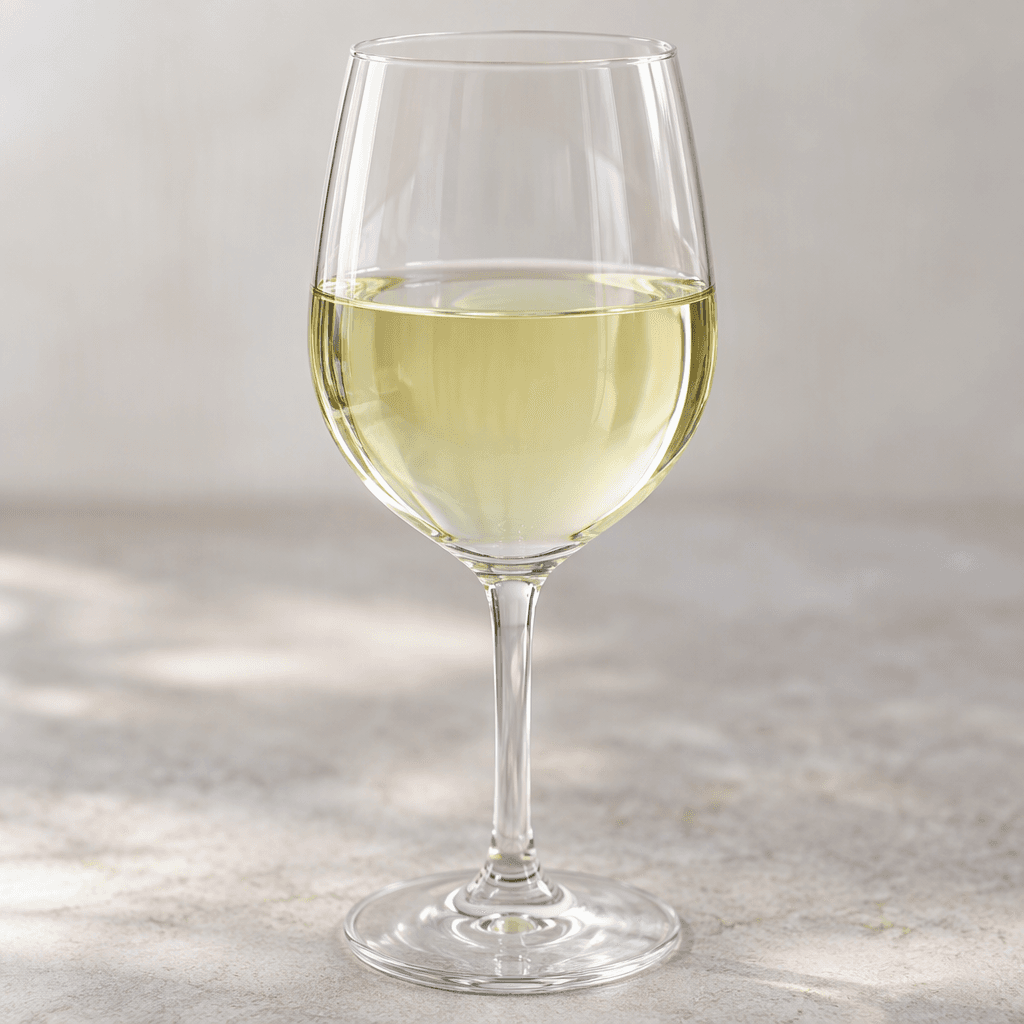
Sauvignon Blanc White Wine Calories
Dry white wine, medium acidity, fruity aromas
In season: Summer · Autumn
CALORIES
GI
POTASSIUM
FIBER
Quick answer
1 cup (medium) of Sauvignon Blanc White Wine (150 g) has 123 calories. That works out to 82 calories per 100 g. It contains 3.9 g of carbs, 0.2 g of protein, 0 g of fat and 0 g of fiber. Its glycemic index is 0 (low), so it raises blood sugar slowly.
What is Sauvignon Blanc White Wine?
Made from Sauvignon Blanc grapes, Sauvignon Blanc White Wine is usually dry, with lively acidity and fruity aromas that can suggest citrus or green fruit. The grape variety originated in France, especially associated with the Loire Valley and Bordeaux, and is now grown in wine regions around the world.
Serve it chilled alongside seafood, salads, goat’s cheese or other light dishes; it also works well as an aperitif. Its energy comes mainly from alcohol, and it contains 82 calories per 100 g. For a lighter meal pairing, try grilled fish or a crisp salad rather than rich, fried food.
Sauvignon Blanc White Wine Nutrition Facts
Selected: 100 g
82
KCAL / 100G
Carbs
2.6g
· 1% DV
Protein
0.1g
· 0% DV
Fat
0g
· 0% DV
Fiber
0g
· 0% DV
DV is the share of the daily value covered, on a 2,000 kcal reference diet.
Calories come from: Carbs 96% · Protein 4% · Fat 0%
Sauvignon Blanc White Wine Vitamins & Minerals
Vitamins
B2
0.02mg · 2% DV
B1
0.01mg · 1% DV
B3
0.2mg · 1% DV
B5
0.05mg · 1% DV
Minerals
Magnesium
10mg · 2% DV
Phosphorus
13mg · 2% DV
Potassium ⭐
70mg · 2% DV
Calcium
9mg · 1% DV
How Nutritious Is Sauvignon Blanc White Wine?
Nutrient density
Low
How many vitamins, minerals and how much fiber this food carries per calorie. A high score means a lot of nutrition for few calories.
Satiety score
Low
An EatBetter score computed from fiber, protein and calorie density. A high score means staying full longer on the same calories.
Both scores are calculated per 100 g and do not change with the selected portion. The satiety score is EatBetter's own calculation, not a clinical measure.
Sauvignon Blanc White Wine Glycemic Index
GLYCEMIC INDEX
GLYCEMIC LOAD
Accounts for portion size — a more realistic measure than GI alone.
How to Burn Off Sauvignon Blanc White Wine
To burn the 82 calories in 100 g:
🚶
Walking (5 km/h)
🏃
Running (8 km/h)
🚴
Cycling
🏊
Swimming
Times are calculated with the MET equation for a 70 kg adult. Actual burn varies with your weight, age and pace.
Is Sauvignon Blanc White Wine Processed?
NOVA 3
Processed
1. Unprocessed
2. Minimally Processed
3. Processed
4. Ultra-Processed
NOVA classifies foods into 4 groups by industrial processing. NOVA 1 (unprocessed) is the healthiest.
Does Sauvignon Blanc White Wine Contain Allergens?
No known major allergens
Which Diets Is Sauvignon Blanc White Wine Good For?
Vegan
✓ Suitable
Vegetarian
✓ Suitable
Gluten-Free
✓ Suitable
Dairy-Free
— Not suitable
Mediterranean
✓ Suitable
Paleo
— Not suitable
Whole30
— Not suitable
DASH
— Not suitable
Keto
— Not suitable
Low FODMAP
— Not suitable
Sauvignon Blanc White Wine Fat Profile
SATURATED
0g
MONOUNSATURATED
0g
POLYUNSATURATED
0g
Compare Sauvignon Blanc White Wine
Foods Similar to Sauvignon Blanc White Wine
Frequently Asked Questions About Sauvignon Blanc White Wine
What does Sauvignon Blanc white wine taste like?
Sauvignon Blanc white wine is usually dry, medium in acidity, and aromatic. Depending on its origin and style, it can show citrus, green apple, tropical fruit, or fresh herb notes.
Is Sauvignon Blanc white wine sweet or dry?
Sauvignon Blanc white wine is usually dry, not sweet. Its ripe fruit aromas can seem sweet on the nose, but aroma alone does not mean the wine has much residual sugar.
What food pairs well with Sauvignon Blanc white wine?
Sauvignon Blanc white wine pairs well with seafood, goat cheese, salads, and dishes with fresh herbs or citrus. Its acidity cuts through richer flavors, while its herbal notes complement green ingredients.
Should Sauvignon Blanc white wine be chilled before serving?
Yes, serve Sauvignon Blanc white wine chilled. Cooling it helps emphasize its crisp acidity and fresh fruit character; avoid serving it so cold that its aromas become muted.
How is Sauvignon Blanc different from Pinot Grigio?
Sauvignon Blanc white wine often has more pronounced herbal or grassy aromas and sharper acidity. Pinot Grigio is commonly lighter and more subtle, with pear or citrus notes, though bottle styles vary.
Why does Sauvignon Blanc white wine smell grassy?
The grassy or green-pepper notes in Sauvignon Blanc white wine are characteristic varietal aromas, not a sign that the wine has spoiled. Their intensity varies with growing conditions, ripeness, and winemaking choices.
Can Sauvignon Blanc white wine be aged?
Most Sauvignon Blanc white wine is made to be enjoyed while its fresh fruit and herbal aromas are lively. Some carefully made examples can develop with age, but check the producer’s guidance rather than assuming every bottle will improve.
How long does Sauvignon Blanc white wine last after opening?
Reseal Sauvignon Blanc white wine and keep it in the refrigerator after opening. It is usually best within a few days, as exposure to air gradually dulls its fresh aromas and flavor.
What glass should you use for Sauvignon Blanc white wine?
A standard white-wine glass works well for Sauvignon Blanc white wine. Its bowl gives the aromas room to open, while the narrower opening helps direct them toward your nose as you sip.
Can you drink Sauvignon Blanc white wine during pregnancy?
No. Sauvignon Blanc white wine contains alcohol, and no safe amount of alcohol during pregnancy has been established. Avoid it during pregnancy; ask a healthcare professional if you need guidance for your circumstances.
Have another question about Sauvignon Blanc White Wine?
Ask the AI nutrition coach — calories, portions, alternatives and more, answered in seconds in the app.

Scan calories with your camera
Instant AI nutrition analysis

Nutrition data compiled from USDA FoodData Central and scientific sources.