

Ready & Packaged Foods
All →Vegetables & Legumes
All →Desserts & Confectionery
All →Meat & Protein
All →Grains & Bakery
All →Beverages
All →Milk & Dairy
All →

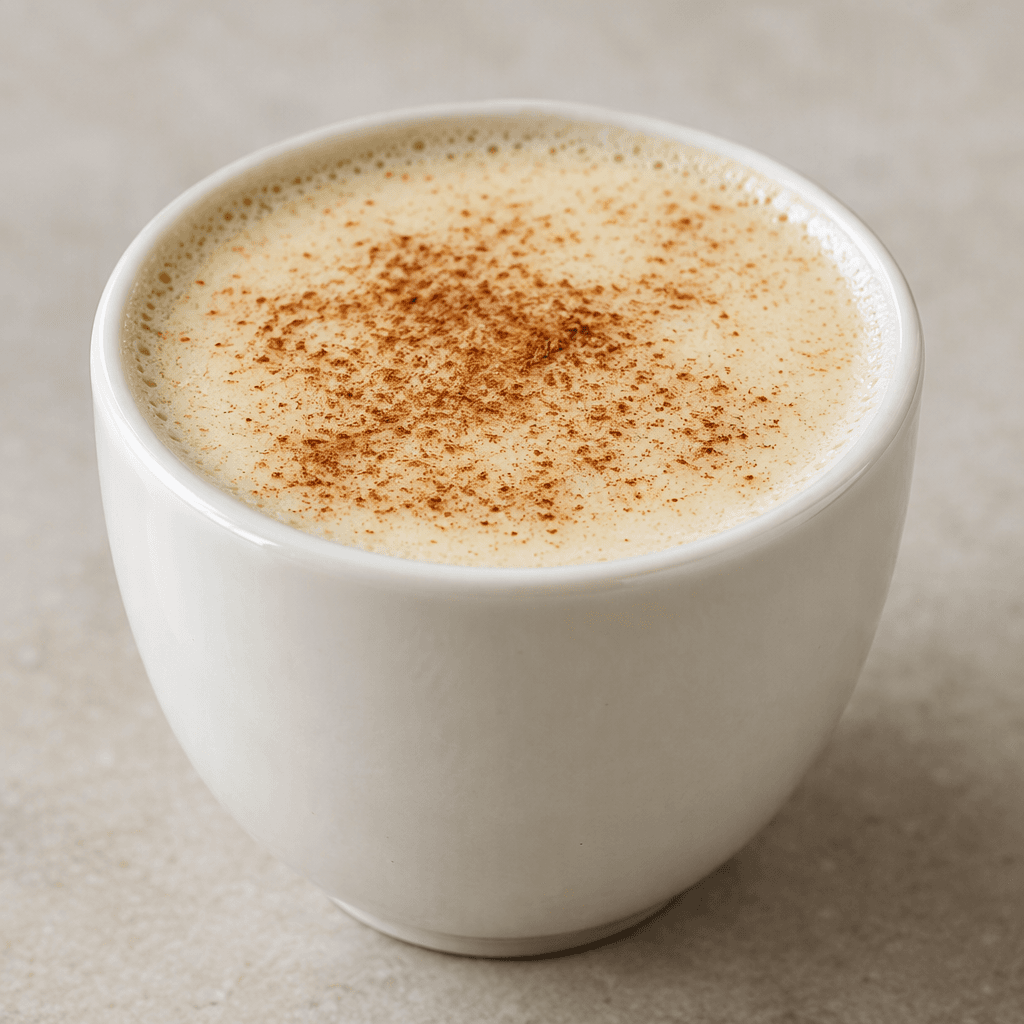
Salep Calories
Traditional hot drink made with orchid root and milk
In season: Winter
CALORIES
GI
POTASSIUM
FIBER
Quick answer
1 cup (medium) of Salep (200 g) has 170 calories. That works out to 85 calories per 100 g. It contains 29 g of carbs, 5.6 g of protein, 4.2 g of fat and 0.6 g of fiber. Its 180 mg of Phosphorus covers 26% of the Daily Value. Its glycemic index is 45 (medium), so it raises blood sugar at a moderate pace.
What is Salep?
Salep is a thick, warm drink traditionally made by cooking flour from dried orchid tubers with milk. It has deep roots in Turkish and Ottoman food culture and is commonly sweetened, then dusted with cinnamon.
Its smooth, creamy texture makes it a familiar winter comfort in Turkey, where people often drink it from cafés or street vendors, or serve it at home as an afternoon treat. Outside its home region, it is also enjoyed as a warming alternative to cocoa or coffee. Milk gives salep some protein, while the drink is mainly a source of carbohydrates. For a lighter cup, reduce the sweetener or use lower-fat milk.
Salep Nutrition Facts
Selected: 100 g
85
KCAL / 100G
Carbs
14.5g
· 5% DV
Protein
2.8g
· 6% DV
Fat
2.1g
· 3% DV
Fiber
0.3g
· 1% DV
DV is the share of the daily value covered, on a 2,000 kcal reference diet.
Calories come from: Carbs 66% · Protein 13% · Fat 21%
Salep Vitamins & Minerals
Vitamins
B12
0.3µg · 13% DV
B2
0.16mg · 12% DV
B5
0.4mg · 8% DV
Biotin
2µg · 7% DV
Minerals
Phosphorus
90mg · 13% DV
Calcium
110mg · 11% DV
Iodine
7µg · 5% DV
Selenium
2µg · 4% DV
How Nutritious Is Salep?
Nutrient density
Medium
How many vitamins, minerals and how much fiber this food carries per calorie. A high score means a lot of nutrition for few calories.
Satiety score
Medium
An EatBetter score computed from fiber, protein and calorie density. A high score means staying full longer on the same calories.
Both scores are calculated per 100 g and do not change with the selected portion. The satiety score is EatBetter's own calculation, not a clinical measure.
Salep Glycemic Index
GLYCEMIC INDEX
GLYCEMIC LOAD
Accounts for portion size — a more realistic measure than GI alone.
How to Burn Off Salep
To burn the 85 calories in 100 g:
🚶
Walking (5 km/h)
🏃
Running (8 km/h)
🚴
Cycling
🏊
Swimming
Times are calculated with the MET equation for a 70 kg adult. Actual burn varies with your weight, age and pace.
Is Salep Processed?
NOVA 2
Minimally Processed
1. Unprocessed
2. Minimally Processed
3. Processed
4. Ultra-Processed
NOVA classifies foods into 4 groups by industrial processing. NOVA 1 (unprocessed) is the healthiest.
Does Salep Contain Allergens?
Contains these allergens:
Which Diets Is Salep Good For?
Vegan
— Not suitable
Vegetarian
✓ Suitable
Gluten-Free
— Not suitable
Dairy-Free
— Not suitable
Mediterranean
✓ Suitable
Paleo
— Not suitable
Whole30
— Not suitable
DASH
— Not suitable
Keto
— Not suitable
Low FODMAP
— Not suitable
Salep Fat Profile
SATURATED
1.3g
MONOUNSATURATED
0.5g
POLYUNSATURATED
0.1g
Omega 6:3 ratio 2:1
Below the ideal 4:1 — a good omega balance.
Compare Salep
Foods Similar to Salep
Frequently Asked Questions About Salep
What is Salep made from?
Salep is traditionally made with powder from the tubers of certain orchids, milk and often sugar, then topped with cinnamon. Many commercial mixes use starch for thickness and may contain little or no genuine orchid salep.
What does Salep taste like?
Salep tastes creamy, gently sweet and mildly floral, with a soft, thick texture. Cinnamon is a common topping, but the exact flavour varies with the amount of sugar, the milk used and whether the drink contains genuine salep powder.
How do you make Salep at home?
To make Salep, whisk the powder with a little cold milk until smooth, then add the remaining milk and heat gently while stirring until thick. Sweeten to taste and serve hot, usually with cinnamon on top.
Why is real Salep so expensive?
Real Salep is costly because it comes from orchid tubers that must be harvested and processed, and the plants grow slowly. Harvesting wild orchids can threaten their populations, so genuine powder is scarce and its trade may be regulated.
Does Salep contain caffeine?
Traditional Salep contains no caffeine because it is made from orchid tubers and milk, not tea leaves or coffee beans. A packaged mix may include additional ingredients, so its exact contents can vary.
How can you tell real Salep from instant Salep mix?
Real Salep powder is made from orchid tubers and is typically sold as a distinct ingredient; instant mixes often rely on starch, sugar and flavourings for their texture and taste. Check the ingredient list for actual salep powder rather than assuming the name guarantees it.
Can you make Salep without milk?
Yes, you can prepare Salep with an unsweetened plant-based drink instead of dairy milk. The result may be less creamy, and some alternatives thicken differently, so stir continuously and adjust the amount of liquid to reach the texture you like.
How should leftover Salep be stored?
Cool leftover Salep promptly, cover it and refrigerate it rather than leaving it at room temperature. Reheat it thoroughly while stirring before serving; it may thicken as it stands, so loosen it with a little milk if needed.
Is Salep good for you?
Salep can be a comforting hot drink, and the milk in it provides nutrients such as protein and calcium. Added sugar increases sweetness and energy, and Salep should not be treated as a remedy for illness.
Can Salep help you sleep?
Salep is naturally caffeine-free, so it is less likely than coffee or caffeinated tea to interfere with sleep. It is not a sleep aid, though, and drinking a large cup right before bed may wake you to use the bathroom.
Have another question about Salep?
Ask the AI nutrition coach — calories, portions, alternatives and more, answered in seconds in the app.

Scan calories with your camera
Instant AI nutrition analysis

Nutrition data compiled from USDA FoodData Central and scientific sources.