

Ready & Packaged Foods
All →Vegetables & Legumes
All →Desserts & Confectionery
All →Meat & Protein
All →Grains & Bakery
All →Beverages
All →Milk & Dairy
All →

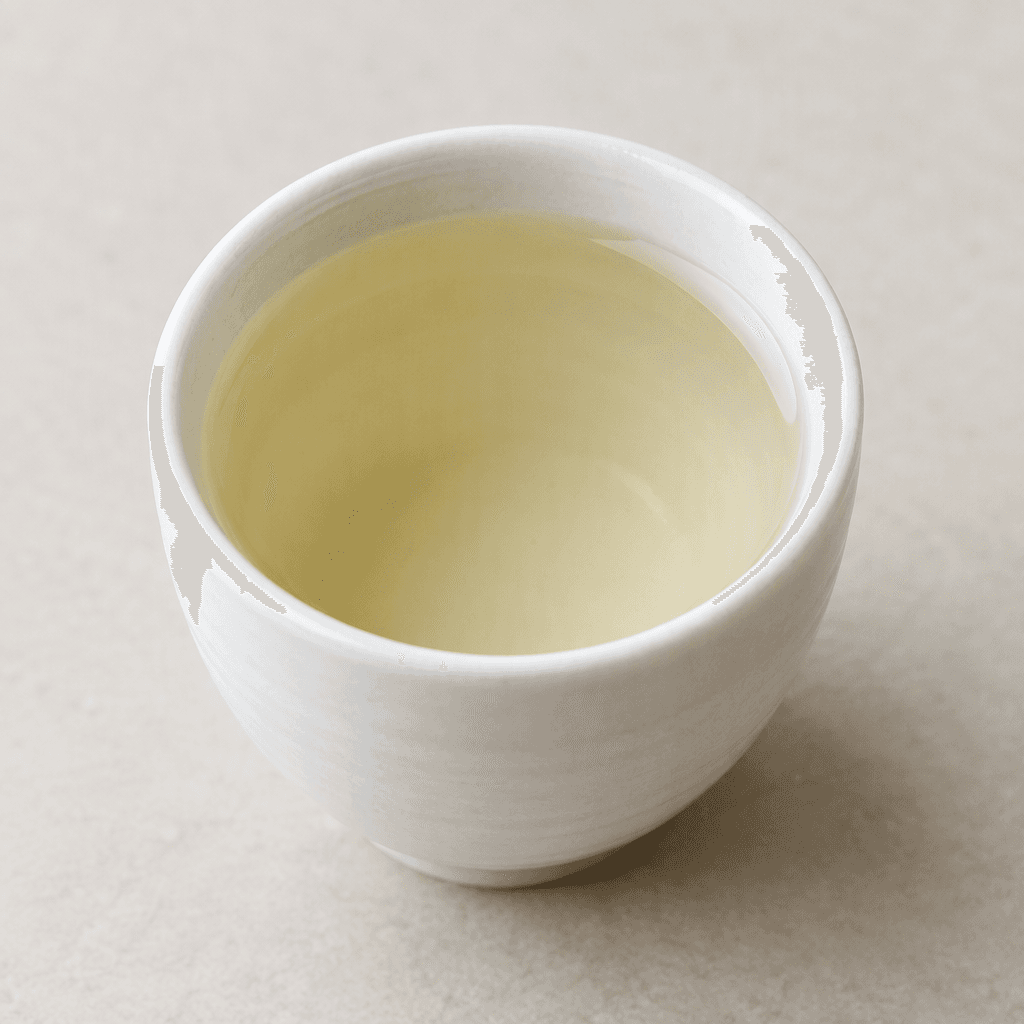
Sake Calories
Japanese rice wine, moderate alcohol, low vitamins/minerals
In season: Spring · Summer · Autumn · Winter
CALORIES
GI
POTASSIUM
FIBER
Quick answer
1 cup (medium) of Sake (150 g) has 201 calories. That works out to 134 calories per 100 g. It contains 7.5 g of carbs, 0.3 g of protein, 0 g of fat and 0 g of fiber. Its glycemic index is 50 (low), so it raises blood sugar slowly.
What is Sake?
Sake is a Japanese fermented rice drink, made by converting rice starches with koji and fermenting them with yeast and water. Its flavour can range from clean and delicate to fuller, with gentle sweetness, rice notes and savoury depth depending on the style.
In Japan it is served with meals as well as on its own, either chilled or gently warmed; temperature suits the particular sake rather than a single rule. Around the world, it is often paired with Japanese dishes such as sushi, grilled fish or salty small plates. Sake contains alcohol and some carbohydrate, but very little protein or fat and few vitamins or minerals. Try a small pour alongside food if you prefer its flavour less pronounced.
Sake Nutrition Facts
Selected: 100 g
134
KCAL / 100G
Carbs
5g
· 2% DV
Protein
0.2g
· 0% DV
Fat
0g
· 0% DV
Fiber
0g
· 0% DV
DV is the share of the daily value covered, on a 2,000 kcal reference diet.
Calories come from: Carbs 96% · Protein 4% · Fat 0%
Sake Vitamins & Minerals
Vitamins
B1
0.01mg · 1% DV
B2
0.01mg · 1% DV
B6
0.01mg · 1% DV
Vitamin A
0µg · 0% DV
Minerals
Calcium
1mg · 0% DV
Iron
0mg · 0% DV
Magnesium
1mg · 0% DV
Zinc
0mg · 0% DV
How Nutritious Is Sake?
Nutrient density
Low
How many vitamins, minerals and how much fiber this food carries per calorie. A high score means a lot of nutrition for few calories.
Satiety score
Low
An EatBetter score computed from fiber, protein and calorie density. A high score means staying full longer on the same calories.
Both scores are calculated per 100 g and do not change with the selected portion. The satiety score is EatBetter's own calculation, not a clinical measure.
Sake Glycemic Index
GLYCEMIC INDEX
GLYCEMIC LOAD
Accounts for portion size — a more realistic measure than GI alone.
How to Burn Off Sake
To burn the 134 calories in 100 g:
🚶
Walking (5 km/h)
🏃
Running (8 km/h)
🚴
Cycling
🏊
Swimming
Times are calculated with the MET equation for a 70 kg adult. Actual burn varies with your weight, age and pace.
Is Sake Processed?
NOVA 3
Processed
1. Unprocessed
2. Minimally Processed
3. Processed
4. Ultra-Processed
NOVA classifies foods into 4 groups by industrial processing. NOVA 1 (unprocessed) is the healthiest.
Does Sake Contain Allergens?
No known major allergens
Which Diets Is Sake Good For?
Vegan
✓ Suitable
Vegetarian
✓ Suitable
Gluten-Free
✓ Suitable
Dairy-Free
— Not suitable
Mediterranean
✓ Suitable
Paleo
— Not suitable
Whole30
— Not suitable
DASH
— Not suitable
Keto
— Not suitable
Low FODMAP
— Not suitable
Sake Fat Profile
SATURATED
0g
MONOUNSATURATED
0g
POLYUNSATURATED
0g
Compare Sake
Foods Similar to Sake
Frequently Asked Questions About Sake
What is sake?
Sake is a Japanese alcoholic drink made by fermenting rice with koji and yeast. It is often called rice wine, but unlike grape wine it is brewed through a process that converts rice starch into fermentable sugar.
Is sake served hot or cold?
Sake can be served chilled, at room temperature, or warmed. The best temperature depends on the style: aromatic, delicate sake is often served cool, while some fuller-bodied styles are enjoyable gently warmed.
How much alcohol is in sake?
Most sake contains roughly 14–16% alcohol by volume, although the strength varies by product. That is generally stronger than beer, so sipping slowly and keeping track of servings matters.
What does sake taste like?
Sake can taste dry, fruity, floral, gently sweet, or savory, depending on how it is made. Many styles have a smooth rice character and umami; serving temperature can change how prominent those flavors seem.
How is sake made?
Sake is made by polishing and steaming rice, then fermenting it with water, koji, and yeast. Koji breaks the rice starch into sugar while yeast produces alcohol, so both processes happen together during brewing.
What is the difference between sake and soju?
Sake is brewed by fermenting rice, while soju is generally a distilled spirit that may use rice or other starches. Their production and typical strength differ, so they are not interchangeable drinks.
Does sake go bad after opening?
Opened sake can lose its fresh aroma and flavor, even when it does not show obvious spoilage. Close the bottle tightly, refrigerate it, and drink it promptly; discard it if its smell or appearance seems unusual.
What food goes well with sake?
Sake pairs well with sushi, sashimi, grilled fish, and other savory Japanese dishes. Its gentle umami complements seafood, while richer styles can stand up to more flavorful foods; serving it chilled or warm can shift the pairing.
Can you use sake for cooking?
Yes, sake is used in marinades, sauces, and simmered dishes to add aroma and savory depth. Some alcohol may remain after cooking, so it is not a suitable way to avoid alcohol completely.
Can you drink sake while pregnant?
No, sake should be avoided during pregnancy because it contains alcohol, and no safe amount of alcohol during pregnancy has been established. Choose a genuinely alcohol-free drink instead.
Have another question about Sake?
Ask the AI nutrition coach — calories, portions, alternatives and more, answered in seconds in the app.

Scan calories with your camera
Instant AI nutrition analysis

Nutrition data compiled from USDA FoodData Central and scientific sources.