

Ready & Packaged Foods
All →Vegetables & Legumes
All →Desserts & Confectionery
All →Meat & Protein
All →Grains & Bakery
All →Beverages
All →Milk & Dairy
All →

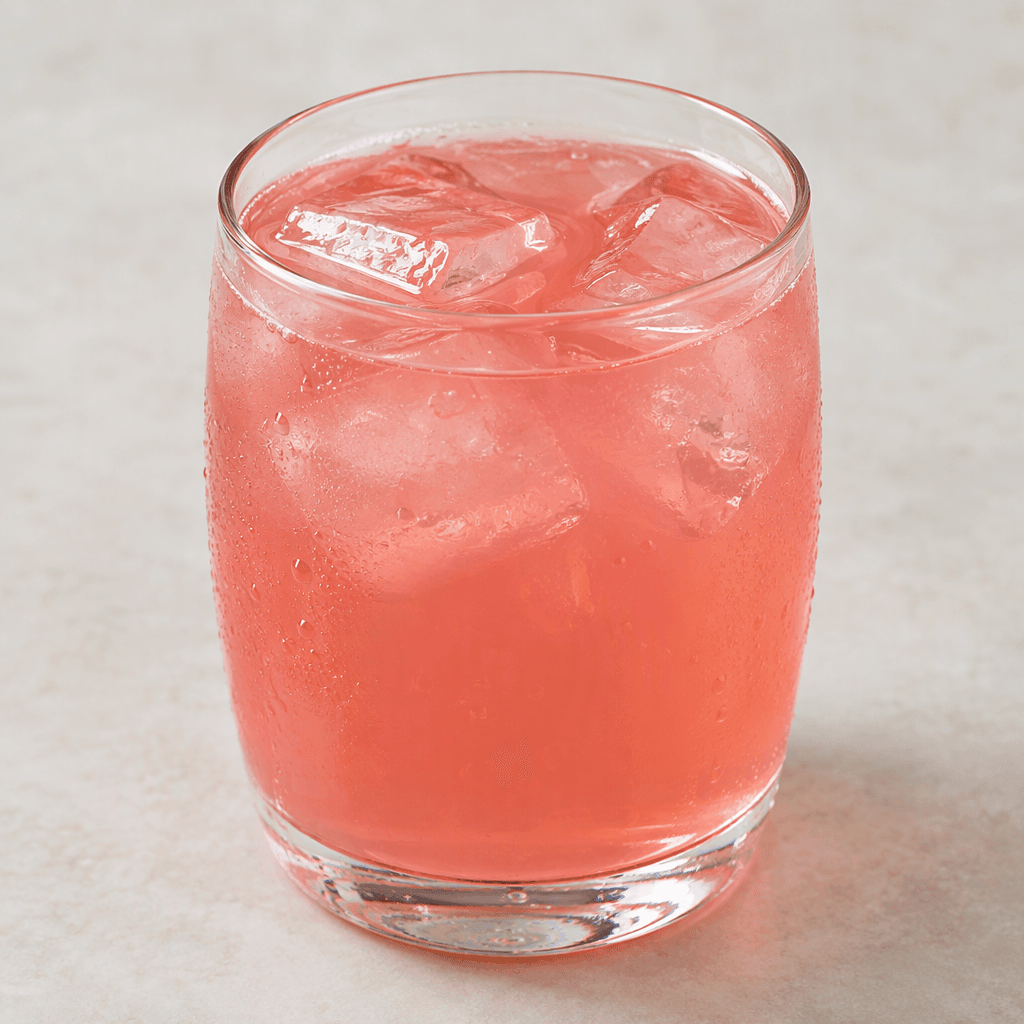
Rose sherbet Calories
Rose-flavored, sweet refreshing drink
In season: Spring · Summer
CALORIES
GI
POTASSIUM
FIBER
Quick answer
1 cup (medium) of Rose sherbet (200 g) has 110 calories. That works out to 55 calories per 100 g. It contains 28 g of carbs, 0 g of protein, 0 g of fat and 0 g of fiber. Its glycemic index is 65 (medium), so it raises blood sugar at a moderate pace.
What is Rose sherbet?
Rose sherbet is a traditional Turkish drink made by steeping rose petals or mixing rose water with sugar and water. Recipes may include lemon or spices, and the colour and intensity vary from one household to another. Despite the name, it is a drink rather than a frozen sorbet.
Served chilled, often over ice, it is fragrant, floral and distinctly sweet. In Turkey it is offered to guests and enjoyed at summer meals or special occasions; elsewhere, it makes a refreshing alternative to sweetened iced drinks. Nutritionally, it is mainly a source of carbohydrate and energy, with no protein, fat or fibre. For a lighter glass, dilute it with extra cold water or use less sugar when preparing it.
Rose sherbet Nutrition Facts
Selected: 100 g
55
KCAL / 100G
Carbs
14g
· 5% DV
Protein
0g
· 0% DV
Fat
0g
· 0% DV
Fiber
0g
· 0% DV
DV is the share of the daily value covered, on a 2,000 kcal reference diet.
Calories come from: Carbs 100% · Protein 0% · Fat 0%
Rose sherbet Vitamins & Minerals
Vitamins
Vitamin C
0.5mg · 1% DV
Vitamin A
0µg · 0% DV
B1
0mg · 0% DV
B2
0mg · 0% DV
Minerals
Calcium
2mg · 0% DV
Iron
0mg · 0% DV
Magnesium
1mg · 0% DV
Zinc
0mg · 0% DV
How Nutritious Is Rose sherbet?
Nutrient density
Low
How many vitamins, minerals and how much fiber this food carries per calorie. A high score means a lot of nutrition for few calories.
Satiety score
Medium
An EatBetter score computed from fiber, protein and calorie density. A high score means staying full longer on the same calories.
Both scores are calculated per 100 g and do not change with the selected portion. The satiety score is EatBetter's own calculation, not a clinical measure.
Rose sherbet Glycemic Index
GLYCEMIC INDEX
GLYCEMIC LOAD
Accounts for portion size — a more realistic measure than GI alone.
How to Burn Off Rose sherbet
To burn the 55 calories in 100 g:
🚶
Walking (5 km/h)
🏃
Running (8 km/h)
🚴
Cycling
🏊
Swimming
Times are calculated with the MET equation for a 70 kg adult. Actual burn varies with your weight, age and pace.
Is Rose sherbet Processed?
NOVA 3
Processed
1. Unprocessed
2. Minimally Processed
3. Processed
4. Ultra-Processed
NOVA classifies foods into 4 groups by industrial processing. NOVA 1 (unprocessed) is the healthiest.
Does Rose sherbet Contain Allergens?
No known major allergens
Which Diets Is Rose sherbet Good For?
Vegan
✓ Suitable
Vegetarian
✓ Suitable
Gluten-Free
✓ Suitable
Dairy-Free
— Not suitable
Mediterranean
✓ Suitable
Paleo
✓ Suitable
Whole30
— Not suitable
DASH
— Not suitable
Keto
— Not suitable
Low FODMAP
— Not suitable
Rose sherbet Fat Profile
SATURATED
0g
MONOUNSATURATED
0g
POLYUNSATURATED
0g
Compare Rose sherbet
Foods Similar to Rose sherbet
Frequently Asked Questions About Rose sherbet
What is rose sherbet?
Rose sherbet is a sweet, rose-scented drink, commonly made by infusing edible rose petals in water and adding sugar and lemon. It is served chilled and is not the frozen dessert called sorbet.
How do you make rose sherbet at home?
Rose sherbet is made by steeping fragrant edible rose petals in water, then straining and sweetening the infusion. A little lemon balances the floral sweetness; use petals sold for culinary use, not sprayed florist roses.
What does rose sherbet taste like?
Rose sherbet tastes floral, fragrant, and sweet, often with a light citrus note. The rose should smell fresh rather than perfumed; too much rose essence can make the drink taste soapy.
Is rose sherbet the same as rose water?
No, rose sherbet is a sweet drink, while rose water is a concentrated floral water used in small amounts for flavoring. Some recipes use rose water, but it is not a ready-to-drink substitute for sherbet.
Is rose sherbet a Turkish drink?
Rose sherbet is strongly associated with Turkish and wider Ottoman food traditions, where fruit and flower infusions were served as refreshments. Recipes differ, but rose petals or rose flavor and a sweetened base are common.
Should rose sherbet be served hot or cold?
Rose sherbet is usually served cold, often over ice, because it is a refreshing drink. You can dilute a concentrated homemade version with chilled water just before serving to adjust its sweetness.
Can you make rose sherbet without sugar?
Yes, you can make rose sherbet with less sugar or without it. The result will be less syrupy and may taste more tart or floral, so adjust the lemon and dilution to suit the infusion.
How long does homemade rose sherbet last in the fridge?
Homemade rose sherbet keeps for a few days in a clean, sealed container in the refrigerator. Discard it if its smell, appearance, or taste changes, and avoid leaving it out for long periods.
Can rose sherbet be made with dried rose petals?
Yes, rose sherbet can be made with dried culinary rose petals. Use petals intended for food rather than potpourri, since decorative products may contain pesticides, fragrance, or other additives.
Is rose sherbet traditionally made with rose petals or rose syrup?
Both methods are used: traditional-style recipes may infuse rose petals directly, while quicker versions use rose syrup or rose water. Petal infusions give a gentler, less uniform flavor than prepared syrup.
Have another question about Rose sherbet?
Ask the AI nutrition coach — calories, portions, alternatives and more, answered in seconds in the app.

Scan calories with your camera
Instant AI nutrition analysis

Nutrition data compiled from USDA FoodData Central and scientific sources.