

Ready & Packaged Foods
All →Vegetables & Legumes
All →Desserts & Confectionery
All →Meat & Protein
All →Grains & Bakery
All →Beverages
All →Milk & Dairy
All →

Red Bull Energy Drink Calories
Caffeinated, sugary, energy-boosting drink
CALORIES
GI
POTASSIUM
FIBER
Quick answer
1 can (medium) of Red Bull Energy Drink (250 g) has 113 calories. That works out to 45 calories per 100 g. It contains 27.5 g of carbs, 0 g of protein, 0 g of fat and 0 g of fiber. Its 5 mg of B6 covers 294% of the Daily Value. Its glycemic index is 65 (medium), so it raises blood sugar at a moderate pace.
What is Red Bull Energy Drink?
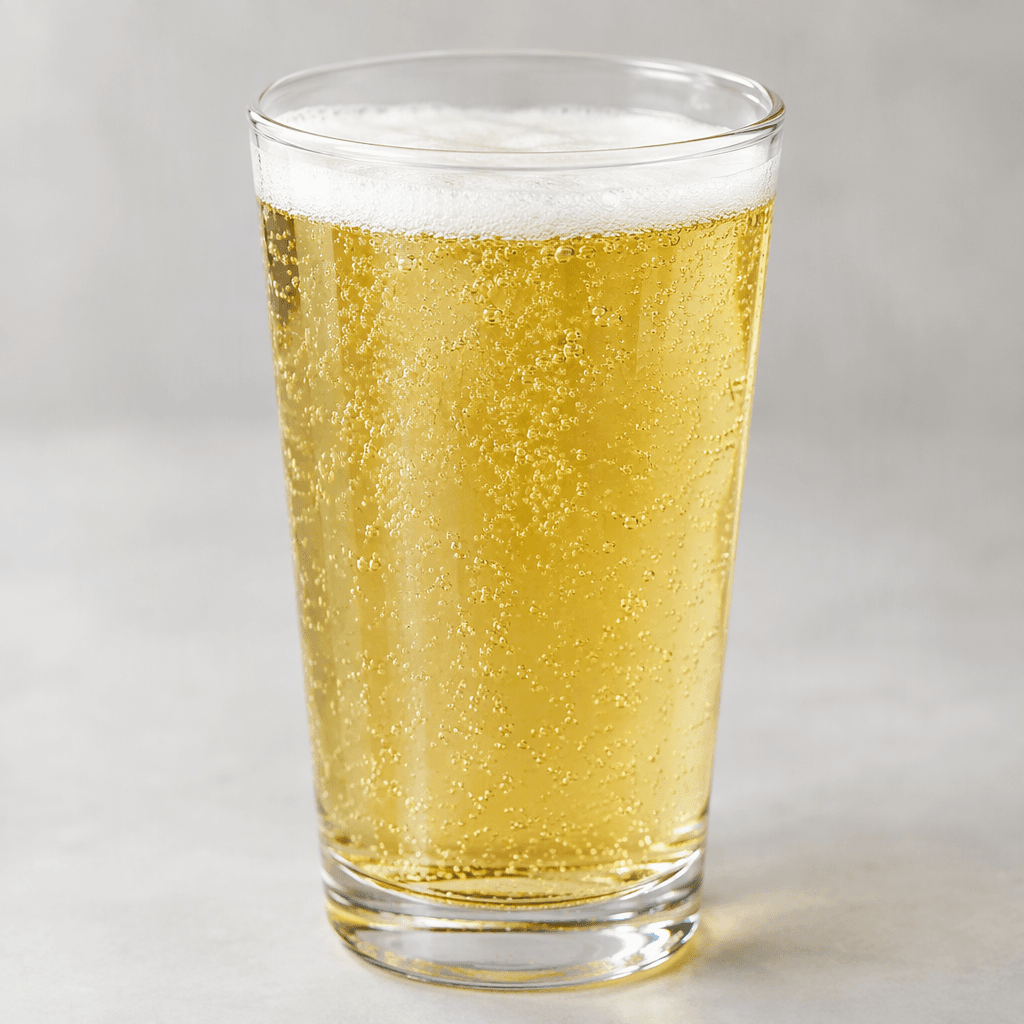
Red Bull Energy Drink is a branded, carbonated drink made with caffeine, sugar, taurine and B vitamins. It is pale gold with fine bubbles, and tastes distinctly sweet with a lightly tangy edge. It is usually served chilled, straight from the can or poured over ice.
People drink it on the go, during busy days, or as a mixer; habits vary across the many places where it is sold. Its energy comes largely from sugar and caffeine, and it contains 11 g of carbohydrate per 100 g. It may suit someone looking for a sweet, caffeinated drink. For a smaller sugar intake, choose a smaller serving or consider the sugar-free version.
Red Bull Energy Drink Nutrition Facts
Selected: 100 g
45
KCAL / 100G
Carbs
11g
· 4% DV
Protein
0g
· 0% DV
Fat
0g
· 0% DV
Fiber
0g
· 0% DV
DV is the share of the daily value covered, on a 2,000 kcal reference diet.
Calories come from: Carbs 100% · Protein 0% · Fat 0%
Red Bull Energy Drink Vitamins & Minerals
Vitamins
B6
2mg · 118% DV
B12
2µg · 83% DV
B3
8mg · 50% DV
B5
2mg · 40% DV
Minerals
Sodium
80mg · 3% DV
Calcium
2mg · 0% DV
Magnesium
1mg · 0% DV
Zinc
0mg · 0% DV
How Nutritious Is Red Bull Energy Drink?
Nutrient density
Low
How many vitamins, minerals and how much fiber this food carries per calorie. A high score means a lot of nutrition for few calories.
Satiety score
Medium
An EatBetter score computed from fiber, protein and calorie density. A high score means staying full longer on the same calories.
Both scores are calculated per 100 g and do not change with the selected portion. The satiety score is EatBetter's own calculation, not a clinical measure.
Red Bull Energy Drink Glycemic Index
GLYCEMIC INDEX
GLYCEMIC LOAD
Accounts for portion size — a more realistic measure than GI alone.
How to Burn Off Red Bull Energy Drink
To burn the 45 calories in 100 g:
🚶
Walking (5 km/h)
🏃
Running (8 km/h)
🚴
Cycling
🏊
Swimming
Times are calculated with the MET equation for a 70 kg adult. Actual burn varies with your weight, age and pace.
Is Red Bull Energy Drink Processed?
NOVA 4
Ultra-Processed
1. Unprocessed
2. Minimally Processed
3. Processed
4. Ultra-Processed
NOVA classifies foods into 4 groups by industrial processing. NOVA 1 (unprocessed) is the healthiest.
Does Red Bull Energy Drink Contain Allergens?
No known major allergens
Which Diets Is Red Bull Energy Drink Good For?
Vegan
— Not suitable
Vegetarian
— Not suitable
Gluten-Free
— Not suitable
Dairy-Free
— Not suitable
Mediterranean
— Not suitable
Paleo
— Not suitable
Whole30
— Not suitable
DASH
— Not suitable
Keto
— Not suitable
Low FODMAP
— Not suitable
Red Bull Energy Drink Fat Profile
SATURATED
0g
MONOUNSATURATED
0g
POLYUNSATURATED
0g
Compare Red Bull Energy Drink
Foods Similar to Red Bull Energy Drink
Frequently Asked Questions About Red Bull Energy Drink
How much caffeine is in a Red Bull Energy Drink?
A standard 250 ml can of Red Bull Energy Drink contains 80 mg of caffeine. Include coffee, tea, and other caffeinated products when keeping track of your total intake.
How long does a Red Bull Energy Drink keep you awake?
A Red Bull Energy Drink can affect alertness for several hours because caffeine remains in the body after its noticeable boost fades. Sensitivity varies, so avoid it late in the day if sleep is a concern.
Can you mix Red Bull Energy Drink with alcohol?
It is better not to. Caffeine in Red Bull Energy Drink may make you feel more alert, but it does not reduce alcohol-related impairment or make drinking safer.
Is Red Bull Energy Drink safe during pregnancy?
Pregnant people are generally advised to limit caffeine, and a 250 ml Red Bull Energy Drink contains 80 mg. Count caffeine from all sources and ask your healthcare professional what limit is appropriate for you.
What is the difference between Red Bull Energy Drink and Red Bull Sugarfree?
Red Bull Sugarfree uses sweeteners instead of sugar, while the regular Red Bull Energy Drink contains sugar. Both contain caffeine, so switching to the sugar-free version does not remove caffeine’s effects.
Can Red Bull Energy Drink replace water for hydration?
No, Red Bull Energy Drink should not be your main source of hydration. It contains caffeine and, in its regular version, sugar; water is the better everyday choice, especially during exercise or hot weather.
What does taurine do in Red Bull Energy Drink?
Taurine is one of the ingredients in Red Bull Energy Drink and is also naturally present in the body. Its presence does not mean the drink works as a stand-alone source of energy; caffeine is a key stimulant.
Can children or teenagers drink Red Bull Energy Drink?
Red Bull Energy Drink is not recommended for children or teenagers. Caffeine can interfere with sleep and affect how they feel, while the regular version also adds a sugary drink to their diet.
Can you drink Red Bull Energy Drink on an empty stomach?
Yes, but some people find that a Red Bull Energy Drink on an empty stomach causes nausea, stomach discomfort, or a jittery feeling. If that happens to you, avoid it or have it with food.
How should you store an opened Red Bull Energy Drink?
Refrigerate an opened Red Bull Energy Drink and drink it soon. It loses its carbonation and freshness once opened, so leaving it out or saving it for an extended time is not a good choice.
Have another question about Red Bull Energy Drink?
Ask the AI nutrition coach — calories, portions, alternatives and more, answered in seconds in the app.

Scan calories with your camera
Instant AI nutrition analysis

Nutrition data compiled from USDA FoodData Central and scientific sources.