

Ready & Packaged Foods
All →Vegetables & Legumes
All →Desserts & Confectionery
All →Meat & Protein
All →Grains & Bakery
All →Beverages
All →Milk & Dairy
All →

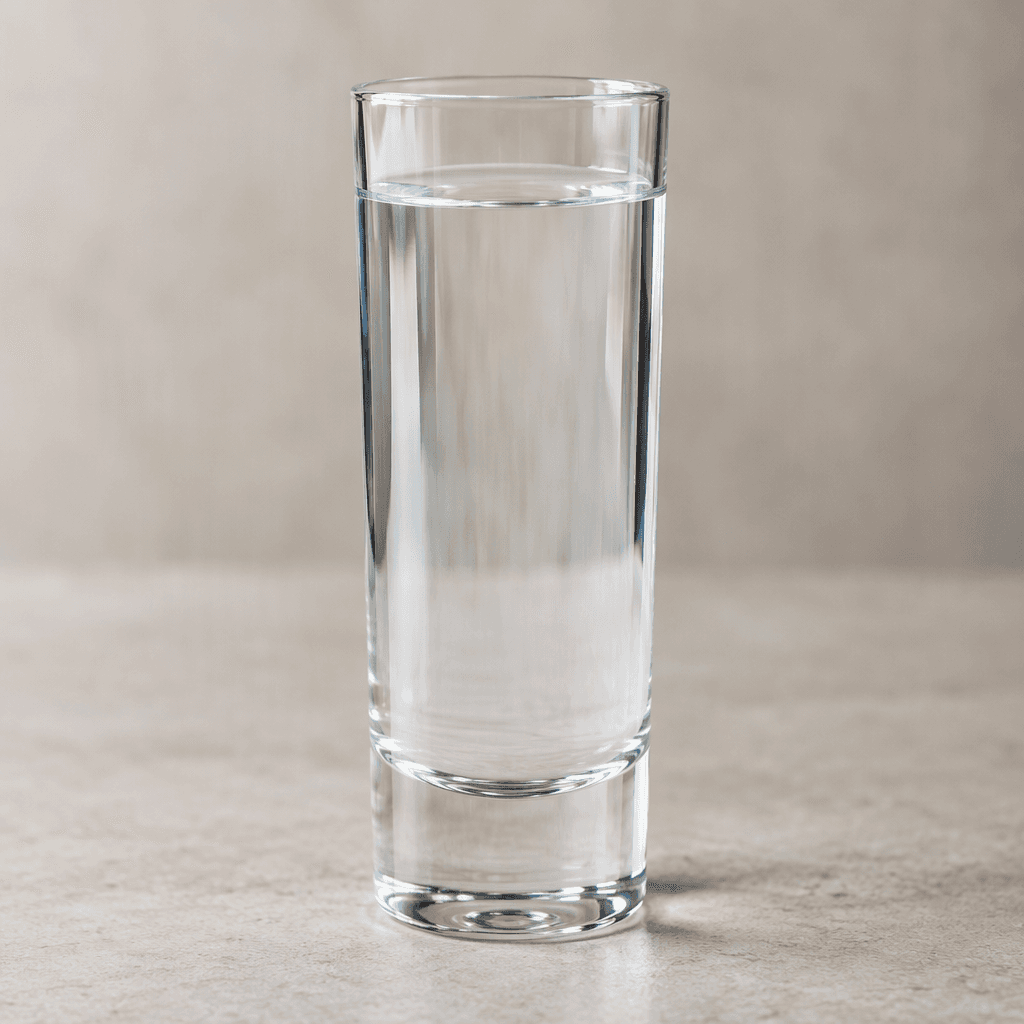
Rakı (double) Calories
Turkish aniseed spirit, high alcohol, double serving
In season: Spring · Summer · Autumn · Winter
CALORIES · 100 G
GI
POTASSIUM · 100 G
FIBER · 100 G
Quick answer
100 g of Rakı (double) has 270 calories. It contains 2.5 g of carbs, 0 g of protein, 0 g of fat and 0 g of fiber. Its glycemic index is 0 (low), so it raises blood sugar slowly.
Rakı (double) Nutrition Facts
Selected: 100 g
270
KCAL / 100G
Carbs
2.5g
· 1% DV
Protein
0g
· 0% DV
Fat
0g
· 0% DV
Fiber
0g
· 0% DV
DV is the share of the daily value covered, on a 2,000 kcal reference diet.
Calories come from: Carbs 100% · Protein 0% · Fat 0%
Rakı (double) nutrition facts table · 100 g
| Nutrient | Amount | % DV |
|---|---|---|
| Calories | 270 kcal | |
| Total fat | 0 g | 0% |
| Saturated fat | 0 g | 0% |
| Trans fat | 0 g | |
| Sodium | 2 mg | 0% |
| Total carbohydrate | 2.5 g | 1% |
| Fiber | 0 g | 0% |
| Protein | 0 g | 0% |
Calories: Calories measure energy. Average daily need is 2,000 kcal. Excess calories are stored as fat, too few cause weight loss.
Carbs: Your body's primary energy source. The brain runs exclusively on carbs. Daily need: 275g.
Protein: Essential for muscle repair and cell growth. Daily need: 50g. Keeps you full and boosts metabolism.
Fat: Needed for hormone production and vitamin absorption. Daily need: 78g. Limit saturated fats, choose unsaturated.
Fiber: Critical for digestive health and satiety. Daily need: 28g. Stabilizes blood sugar, lowers cholesterol.

Log this food in EatBetter
100,000+ people use it
- Get your daily calorie target
- Snap your meal, log it in seconds
- See every vitamin and mineral

📸 Scan the code to get the app free.

How Many Calories in 1 Serving of Rakı (double)?
| Serving | Amount | Calories |
|---|---|---|
| 1 serving (medium) | 70 g | 189 kcal |
| 1 teaspoon (mini) | 5 g | 14 kcal |
| 1 serving (small) | 50 g | 135 kcal |
| 100 g | 100 g | 270 kcal |
| 1 serving (double) | 100 g | 270 kcal |
| 1 serving (large) | 150 g | 405 kcal |
| 1 serving (extra large) | 200 g | 540 kcal |
| 1 bottle (whole) | 350 g | 945 kcal |
Calculated from 270 calories per 100 g.
Frequently Asked Questions About Rakı (double)
Is rakı the same as ouzo?
No. Rakı and ouzo are both anise-flavoured spirits, but they come from different traditions and can differ in their base ingredients and production methods. Rakı is associated with Turkey, while ouzo is a Greek spirit.
Why does rakı turn cloudy when you add water?
Rakı turns cloudy because anise oils that dissolve in the spirit become dispersed as tiny droplets when water is added. This natural “louche” effect is expected and does not mean the rakı has spoiled.
How is rakı traditionally served?
Rakı is traditionally served slowly, often with water on the side or added to the glass. It is usually enjoyed alongside food rather than taken quickly as a shot, since it is a high-alcohol spirit.
What food is usually served with rakı?
Rakı is commonly paired with meze, fish, cheese, and melon. These foods are part of a shared dining tradition; eating alongside rakı does not make alcohol safer or reduce its effects.
Should you sip rakı or drink it as a shot?
Rakı is generally sipped, not taken as a shot. Drinking it slowly with food is customary and helps avoid consuming alcohol as quickly, though it does not prevent intoxication.
Does rakı need to be refrigerated after opening?
No, an opened bottle of rakı does not usually need refrigeration. Keep it tightly capped in a cool, dark place to limit evaporation and preserve its aroma; chilling it before serving is a matter of preference.
Why is rakı called “lion’s milk”?
“Lion’s milk” is a traditional nickname for rakı, linked to the milky-white appearance it takes on when water is added. The name is figurative; rakı does not contain milk.
How strong is rakı?
Rakı is a high-alcohol spirit, but its exact strength can vary by bottling. The double serving describes a larger pour, not a standard alcohol percentage, so it should not be treated as a low-alcohol drink.
Can rakı give you a hangover?
Yes. Rakı can cause a hangover, including headache and nausea, especially when you drink a lot or drink quickly. Water may help with thirst, but it does not sober you up or prevent alcohol-related harm.
Can you drink rakı during pregnancy?
No. The safest choice during pregnancy is to avoid rakı and all other alcoholic drinks, because alcohol can reach the developing baby. There is no established safe amount of alcohol during pregnancy.
Rakı (double) Vitamins & Minerals
Vitamins
Vitamin A
0µg · 0% DV
B1
0mg · 0% DV
B2
0mg · 0% DV
B3
0mg · 0% DV
Minerals
Copper
0.01mg · 1% DV
Manganese
0.01mg · 0% DV
Magnesium
1mg · 0% DV
Phosphorus
1mg · 0% DV
Sodium
2mg · 0% DV
Potassium ⭐
1mg · 0% DV
Rakı (double) Glycemic Index
GLYCEMIC INDEX
GLYCEMIC LOAD
Accounts for portion size — a more realistic measure than GI alone.
How to Burn Off Rakı (double)
To burn the 270 calories in 100 g:
🚶
Walking (5 km/h)
🏃
Running (8 km/h)
🚴
Cycling
🏊
Swimming
Times are calculated with the MET equation for a 70 kg adult. Actual burn varies with your weight, age and pace.
What is Rakı (double)?
Rakı is a Turkish anise-flavoured spirit, traditionally made from grape-based distillate and anise. A double serving is a generous pour; it is clear in the glass, but turns cloudy and milky when water is added as the anise oils disperse.
In Turkey, rakı is usually sipped slowly at a shared table, often with meze, fish and conversation, with water alongside. Outside Turkey, it is also enjoyed by people familiar with Turkish food and drinking traditions, though serving customs vary. Its calories come mainly from alcohol, with little carbohydrate and no protein or fat. If you prefer a lighter pour, choose a smaller measure and take your time rather than treating it like a quick drink.
How Nutritious Is Rakı (double)?
Nutrient density
Low
How many vitamins, minerals and how much fiber this food carries per calorie. A high score means a lot of nutrition for few calories.
Satiety score
Low
An EatBetter score computed from fiber, protein and calorie density. A high score means staying full longer on the same calories.
Both scores are calculated per 100 g and do not change with the selected portion. The satiety score is EatBetter's own calculation, not a clinical measure.
Is Rakı (double) Processed?
NOVA 3
Processed
1. Unprocessed
2. Minimally Processed
3. Processed
4. Ultra-Processed
NOVA classifies foods into 4 groups by industrial processing. NOVA 1 (unprocessed) is the healthiest.
Does Rakı (double) Contain Allergens?
No known major allergens
Which Diets Is Rakı (double) Good For?
Vegan
✓ Suitable
Vegetarian
✓ Suitable
Gluten-Free
✓ Suitable
Dairy-Free
— Not suitable
Mediterranean
✓ Suitable
Paleo
— Not suitable
Whole30
— Not suitable
DASH
— Not suitable
Keto
— Not suitable
Low FODMAP
— Not suitable
Rakı (double) Fat Profile
SATURATED
0g
MONOUNSATURATED
0g
POLYUNSATURATED
0g
Compare Rakı (double)
Foods Similar to Rakı (double)
Have another question about Rakı (double)?
Ask the AI nutrition coach — calories, portions, alternatives and more, answered in seconds in the app.

Scan calories with your camera
Instant AI nutrition analysis

Nutrition data compiled from USDA FoodData Central and scientific sources.