

Ready & Packaged Foods
All →Vegetables & Legumes
All →Desserts & Confectionery
All →Meat & Protein
All →Grains & Bakery
All →Beverages
All →Milk & Dairy
All →

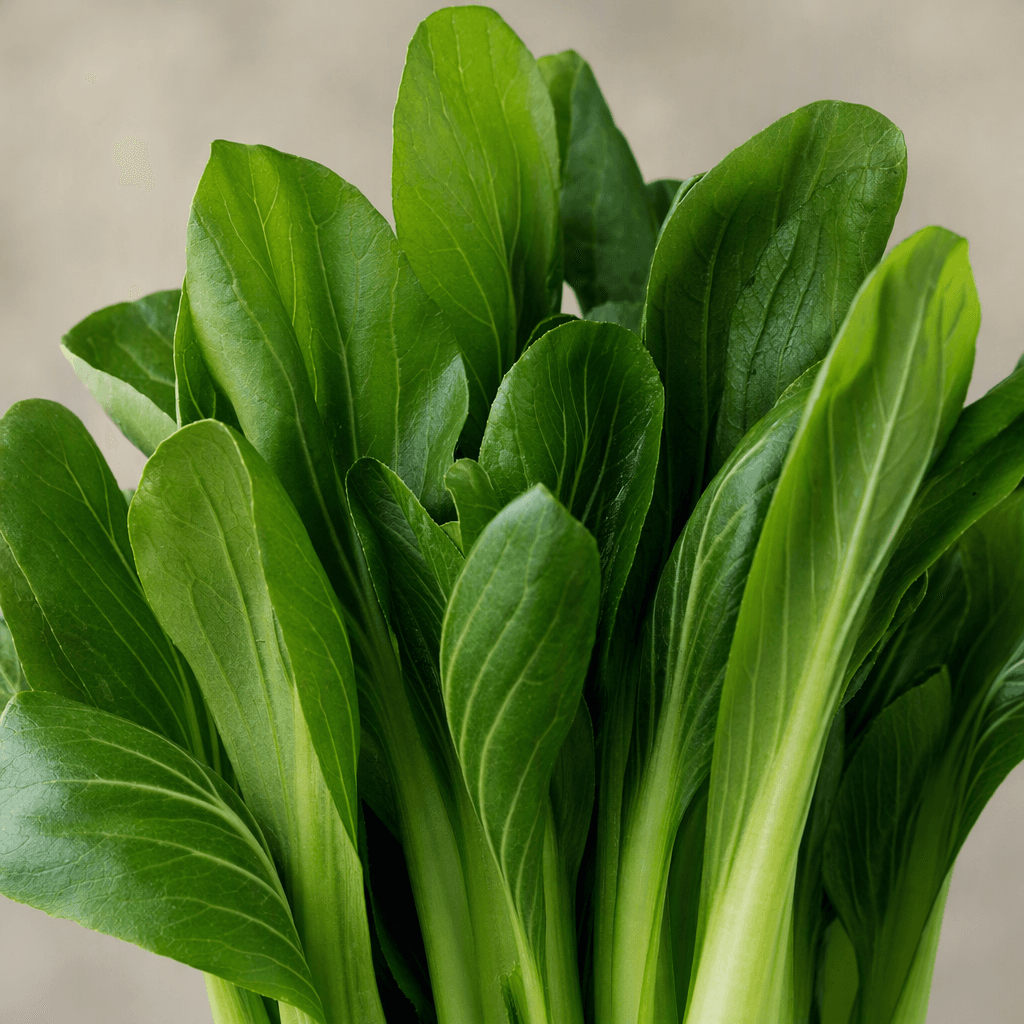
Plant Calories
Generic plant, type unspecified
In season: Spring · Summer · Autumn · Winter
CALORIES · 100 G
GI
POTASSIUM · 100 G
FIBER · 100 G
Quick answer
1 cup (medium) of Plant (60 g) has 18 calories. That works out to 30 calories per 100 g. It contains 3 g of carbs, 1.2 g of protein, 0.2 g of fat and 1.5 g of fiber. Its 72 µg of Vitamin K covers 60% of the Daily Value. Its glycemic index is 15 (low), so it raises blood sugar slowly.
Plant Nutrition Facts
Selected: 1 cup (medium) · 60 g
18
KCAL / 60G
Carbs
3g
· 1% DV
Protein
1.2g
· 2% DV
Fat
0.2g
· 0% DV
Fiber
1.5g
· 5% DV
DV is the share of the daily value covered, on a 2,000 kcal reference diet.
Calories come from: Carbs 65% · Protein 26% · Fat 9%
Plant nutrition facts table · 1 cup (medium) (60 g)
| Nutrient | Amount | % DV |
|---|---|---|
| Calories | 18 kcal | |
| Total fat | 0.2 g | 0% |
| Saturated fat | 0.03 g | 0% |
| Trans fat | 0 g | |
| Sodium | 24 mg | 1% |
| Total carbohydrate | 3 g | 1% |
| Fiber | 1.5 g | 5% |
| Protein | 1.2 g | 2% |
Calories: Calories measure energy. Average daily need is 2,000 kcal. Excess calories are stored as fat, too few cause weight loss.
Carbs: Your body's primary energy source. The brain runs exclusively on carbs. Daily need: 275g.
Protein: Essential for muscle repair and cell growth. Daily need: 50g. Keeps you full and boosts metabolism.
Fat: Needed for hormone production and vitamin absorption. Daily need: 78g. Limit saturated fats, choose unsaturated.
Fiber: Critical for digestive health and satiety. Daily need: 28g. Stabilizes blood sugar, lowers cholesterol.

Log this food in EatBetter
100,000+ people use it
- Get your daily calorie target
- Snap your meal, log it in seconds
- See every vitamin and mineral

📸 Scan the code to get the app free.

How Many Calories in 1 Cup of Plant?
| Serving | Amount | Calories |
|---|---|---|
| 1 cup (medium) | 60 g | 18 kcal |
| 1 cup (small) | 30 g | 9 kcal |
| 1 serving (small) | 40 g | 12 kcal |
| 1 serving (medium) | 80 g | 24 kcal |
| 1 cup (large) | 90 g | 27 kcal |
| 100 g | 100 g | 30 kcal |
| 1 piece (whole) | 100 g | 30 kcal |
| 1 serving (large) | 120 g | 36 kcal |
Calculated from 30 calories per 100 g.
Frequently Asked Questions About Plant
Are all plants edible?
No, many plants are not safe to eat. “Plant” does not identify a particular species, and some plants are poisonous or resemble edible ones. Do not eat a plant unless its identity and edibility are confirmed.
How can you tell if a plant is edible?
You can establish whether a plant is edible only by identifying its exact species with a reliable source. Appearance alone is not enough: poisonous plants can closely resemble edible plants, so never taste an unidentified plant to test it.
Which parts of a plant can you eat?
The edible part depends on the species: it may be the leaves, stem, root, flower, fruit, or seeds. A part being edible in one plant does not mean the same part is safe in another.
Can you eat a plant raw?
Some edible plants can be eaten raw, while others need cooking or have parts that should not be eaten. The right choice depends on the exact species and part, so do not eat an unidentified plant raw.
Should you wash a plant before eating it?
Yes, wash a plant that is known to be edible under clean running water before eating or preparing it. Remove visible soil and damaged parts, and avoid soap or detergent, which are not meant for washing food.
How should you store a fresh plant?
Store an edible fresh plant clean and dry in the refrigerator when its type calls for refrigeration. Storage needs vary by species; protect delicate leaves from excess moisture and crushing, and discard any parts that show spoilage.
Can you freeze a plant?
Some edible plants freeze well, but the result depends on the species and its texture. Freezing can make many plants softer after thawing, so they may work better cooked than served raw.
Does cooking a plant reduce its nutrients?
Cooking can reduce some nutrients while making others easier for the body to use. The effect depends on the plant and cooking method; shorter cooking often helps preserve texture and limit nutrient loss.
Are houseplants safe to eat?
No, you should not assume a houseplant is safe to eat. Many ornamental species are inedible or poisonous, and some may have pesticide or other chemical residues. Eat one only if its identity and food use are confirmed.
How can you tell if a plant has gone bad?
Mold, a slimy texture, decay, or an unusual unpleasant smell can mean an edible plant has spoiled. When spoilage is evident, discard the plant rather than trying to salvage it by cutting away the affected area.
Plant Vitamins & Minerals
Vitamins
Vitamin K
72µg · 60% DV
Vitamin A
150µg · 17% DV
Vitamin C
10.8mg · 12% DV
Folate
24µg · 6% DV
Minerals
Potassium ⭐
180mg · 5% DV
Manganese
0.12mg · 5% DV
Magnesium
18mg · 4% DV
Iron
0.72mg · 4% DV
Sodium
24mg · 1% DV
Plant Glycemic Index
GLYCEMIC INDEX
GLYCEMIC LOAD
Accounts for portion size — a more realistic measure than GI alone.
How to Burn Off Plant
To burn the 18 calories in 1 cup (medium) (60 g):
🚶
Walking (5 km/h)
🏃
Running (8 km/h)
🚴
Cycling
🏊
Swimming
Times are calculated with the MET equation for a 70 kg adult. Actual burn varies with your weight, age and pace.
What is Plant?
Plant is a broad label for edible roots, stems, leaves, flowers or fruits, rather than a particular ingredient or dish. This entry does not specify a species, so its origin, flavour and texture can vary widely. Around the world, edible plants are served raw in salads, cooked into soups and stews, or used as side dishes; the best preparation depends on the plant. The supplied general profile describes a light food with some fibre, listing 2.5 g per 100 g, but it should not be taken as a description of every plant. If you are choosing or cooking one, identify the exact species first and follow preparation suited to it; fresh herbs, grains or a protein-rich accompaniment can round out a meal.
How Nutritious Is Plant?
Nutrient density
High
How many vitamins, minerals and how much fiber this food carries per calorie. A high score means a lot of nutrition for few calories.
Satiety score
Medium
An EatBetter score computed from fiber, protein and calorie density. A high score means staying full longer on the same calories.
Both scores are calculated per 100 g and do not change with the selected portion. The satiety score is EatBetter's own calculation, not a clinical measure.
Is Plant Processed?
NOVA 1
Unprocessed
1. Unprocessed
2. Minimally Processed
3. Processed
4. Ultra-Processed
NOVA classifies foods into 4 groups by industrial processing. NOVA 1 (unprocessed) is the healthiest.
Does Plant Contain Allergens?
No known major allergens
Which Diets Is Plant Good For?
Vegan
✓ Suitable
Vegetarian
✓ Suitable
Gluten-Free
✓ Suitable
Dairy-Free
— Not suitable
Mediterranean
✓ Suitable
Paleo
✓ Suitable
Whole30
— Not suitable
DASH
— Not suitable
Keto
— Not suitable
Low FODMAP
— Not suitable
Plant Fat Profile
SATURATED
0.03g
MONOUNSATURATED
0.01g
POLYUNSATURATED
0.04g
Omega 6:3 ratio 3:1
Below the ideal 4:1 — a good omega balance.
Compare Plant
Foods Similar to Plant
Have another question about Plant?
Ask the AI nutrition coach — calories, portions, alternatives and more, answered in seconds in the app.

Scan calories with your camera
Instant AI nutrition analysis

Nutrition data compiled from USDA FoodData Central and scientific sources.