

Ready & Packaged Foods
All →Vegetables & Legumes
All →Desserts & Confectionery
All →Meat & Protein
All →Grains & Bakery
All →Beverages
All →Milk & Dairy
All →

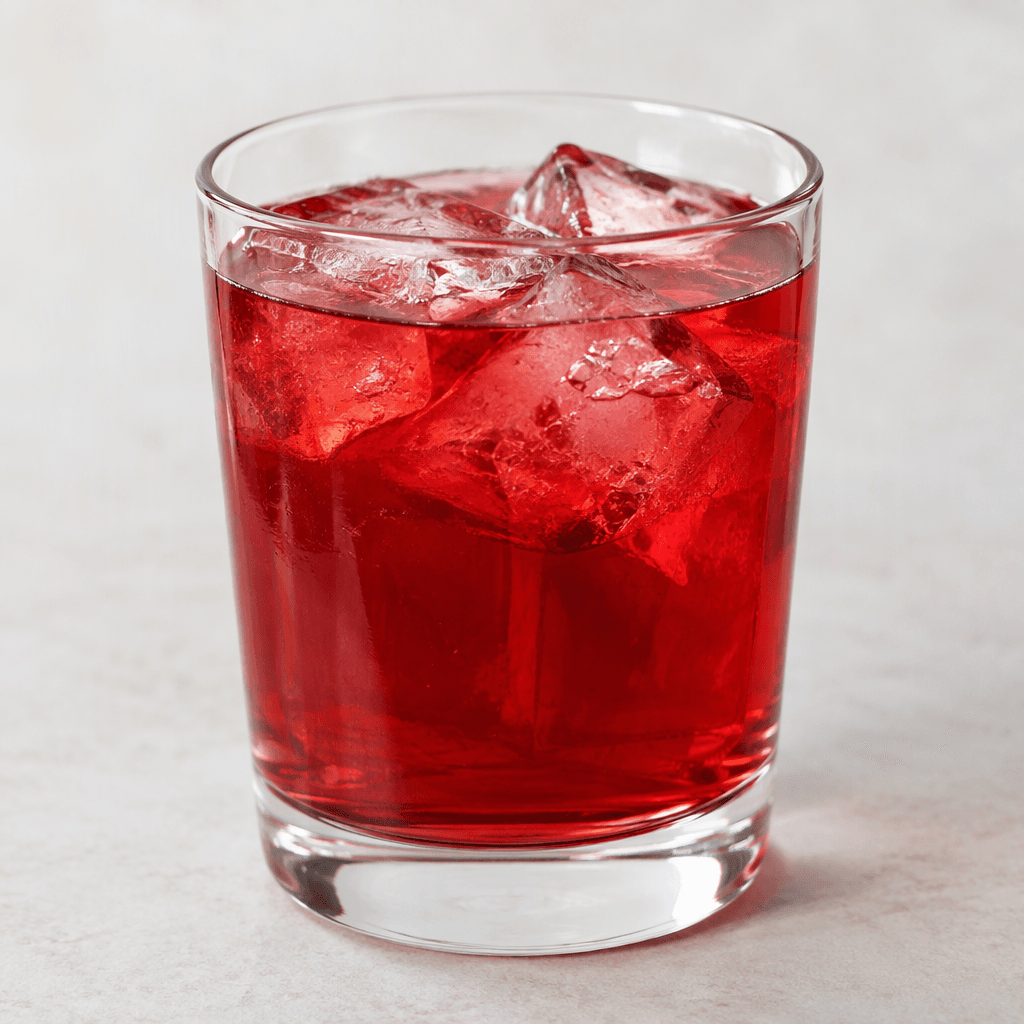
Ottoman Sherbet Calories
Traditional, aromatic, spiced, refreshing beverage
In season: Spring · Summer
CALORIES
GI
POTASSIUM
FIBER
Quick answer
1 cup (medium) of Ottoman Sherbet (200 g) has 110 calories. That works out to 55 calories per 100 g. It contains 27 g of carbs, 0.2 g of protein, 0 g of fat and 0.4 g of fiber. Its 5 mg of Vitamin C covers 6% of the Daily Value. Its glycemic index is 65 (medium), so it raises blood sugar at a moderate pace.
What is Ottoman Sherbet?
Ottoman Sherbet is a traditional drink associated with Ottoman kitchens, made by infusing fruit, flowers or spices in water and often sweetening the result. Recipes vary: rose, pomegranate, tamarind and cinnamon are among the ingredients used in different versions. It is a drink rather than the frozen dessert called sherbet in some English-speaking countries.
Served chilled, it is fragrant and sweet, sometimes with a tart or gently spiced finish. In Turkey it may be offered to guests, enjoyed in warm weather or served at iftar; Turkish and diaspora cooks also make it for festive tables. Its nutrition comes mainly from carbohydrates, with very little protein or fat. For a less sweet glass, dilute it with cold water or reduce the sugar when preparing it.
Ottoman Sherbet Nutrition Facts
Selected: 100 g
55
KCAL / 100G
Carbs
13.5g
· 5% DV
Protein
0.1g
· 0% DV
Fat
0g
· 0% DV
Fiber
0.2g
· 1% DV
DV is the share of the daily value covered, on a 2,000 kcal reference diet.
Calories come from: Carbs 99% · Protein 1% · Fat 0%
Ottoman Sherbet Vitamins & Minerals
Vitamins
Vitamin C
2.5mg · 3% DV
B1
0.01mg · 1% DV
B2
0.01mg · 1% DV
B6
0.01mg · 1% DV
Minerals
Calcium
7mg · 1% DV
Iron
0mg · 0% DV
Magnesium
2mg · 0% DV
Zinc
0mg · 0% DV
How Nutritious Is Ottoman Sherbet?
Nutrient density
Low
How many vitamins, minerals and how much fiber this food carries per calorie. A high score means a lot of nutrition for few calories.
Satiety score
Medium
An EatBetter score computed from fiber, protein and calorie density. A high score means staying full longer on the same calories.
Both scores are calculated per 100 g and do not change with the selected portion. The satiety score is EatBetter's own calculation, not a clinical measure.
Ottoman Sherbet Glycemic Index
GLYCEMIC INDEX
GLYCEMIC LOAD
Accounts for portion size — a more realistic measure than GI alone.
How to Burn Off Ottoman Sherbet
To burn the 55 calories in 100 g:
🚶
Walking (5 km/h)
🏃
Running (8 km/h)
🚴
Cycling
🏊
Swimming
Times are calculated with the MET equation for a 70 kg adult. Actual burn varies with your weight, age and pace.
Is Ottoman Sherbet Processed?
NOVA 2
Minimally Processed
1. Unprocessed
2. Minimally Processed
3. Processed
4. Ultra-Processed
NOVA classifies foods into 4 groups by industrial processing. NOVA 1 (unprocessed) is the healthiest.
Does Ottoman Sherbet Contain Allergens?
No known major allergens
Which Diets Is Ottoman Sherbet Good For?
Vegan
✓ Suitable
Vegetarian
✓ Suitable
Gluten-Free
✓ Suitable
Dairy-Free
— Not suitable
Mediterranean
✓ Suitable
Paleo
— Not suitable
Whole30
— Not suitable
DASH
— Not suitable
Keto
— Not suitable
Low FODMAP
— Not suitable
Ottoman Sherbet Fat Profile
SATURATED
0g
MONOUNSATURATED
0g
POLYUNSATURATED
0g
Compare Ottoman Sherbet
Foods Similar to Ottoman Sherbet
Frequently Asked Questions About Ottoman Sherbet
What is Ottoman Sherbet?
Ottoman Sherbet is a traditional sweet drink made by steeping or simmering fruit, flowers, or spices in water. Recipes vary, with ingredients such as rose, tamarind, pomegranate, cinnamon, and cloves, and it is commonly served chilled.
How do you make Ottoman Sherbet at home?
To make Ottoman Sherbet, simmer or steep fruit, flowers, or spices in water, then strain the mixture. Sweeten it while warm if desired, cool it, and dilute to taste before serving; the ingredients depend on the chosen recipe.
What ingredients are used in Ottoman Sherbet?
Ottoman Sherbet recipes typically combine water with fruit or floral ingredients, spices, and often sugar. Rose, tamarind, pomegranate, cinnamon, and cloves are common choices, but no single ingredient list defines every version.
Where did Ottoman Sherbet come from?
Ottoman Sherbet comes from the drink-making tradition of the Ottoman Empire, where fruit- and flower-based drinks were prepared for household use, guests, and ceremonial occasions. Recipes differed across regions and kitchens.
What does Ottoman Sherbet taste like?
Ottoman Sherbet usually tastes sweet and aromatic, with a flavor shaped by its fruit, flowers, and spices. A rose version can be floral, while tamarind or pomegranate versions tend to have a tangier fruit character.
Is Ottoman Sherbet served hot or cold?
Ottoman Sherbet is most often served chilled today, sometimes over ice. Some recipes can also be served warm, especially when their spices suit a hot drink; follow the serving tradition of the particular recipe.
Is Ottoman Sherbet the same as sorbet?
No. Ottoman Sherbet is a drink, usually made by steeping or simmering ingredients in water, while sorbet is a frozen dessert. The similar-sounding names refer to different foods in modern English usage.
Can you serve Ottoman Sherbet at an iftar meal?
Yes, Ottoman Sherbet can be served as a chilled drink at iftar. Since traditional recipes are often sweetened, offer water as well rather than relying on the sherbet alone to quench thirst.
How long does homemade Ottoman Sherbet keep?
Keep homemade Ottoman Sherbet in a sealed container in the refrigerator and serve it with clean utensils. Versions containing fresh fruit or fruit pieces are best used promptly, as they lose freshness sooner than strained drinks.
Can people with diabetes drink Ottoman Sherbet?
Sweetened Ottoman Sherbet can raise blood glucose, so people with diabetes should account for its added sugar and serving size. A doctor or dietitian can help determine whether it fits an individual glucose-management plan.
Have another question about Ottoman Sherbet?
Ask the AI nutrition coach — calories, portions, alternatives and more, answered in seconds in the app.

Scan calories with your camera
Instant AI nutrition analysis

Nutrition data compiled from USDA FoodData Central and scientific sources.