

Ready & Packaged Foods
All →Vegetables & Legumes
All →Desserts & Confectionery
All →Meat & Protein
All →Grains & Bakery
All →Beverages
All →Milk & Dairy
All →

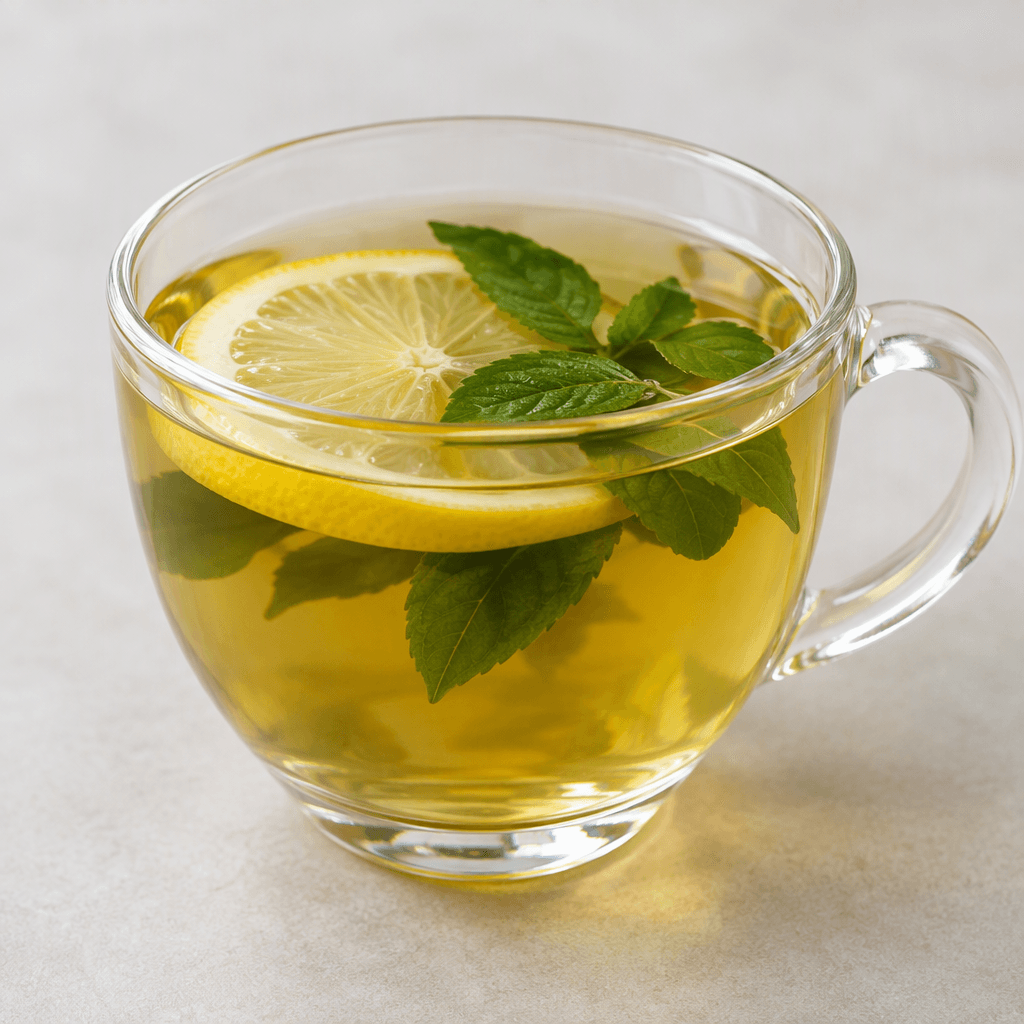
Detox Tea Calories
Low-calorie herbal tea
In season: Spring · Summer · Autumn · Winter
CALORIES
GI
POTASSIUM
FIBER
Quick answer
1 cup (medium) of Detox Tea (240 g) has 2 calories. That works out to 1 calories per 100 g. It contains 0.5 g of carbs, 0.2 g of protein, 0 g of fat and 0 g of fiber. Its 0.2 mg of Manganese covers 8% of the Daily Value. Its glycemic index is 0 (low), so it raises blood sugar slowly.
What is Detox Tea?
Detox Tea is a broad name for herbal infusions or blends rather than one standard recipe; the herbs and flavour vary by product. It is usually made by steeping the blend in hot water and is sold internationally, often as a caffeine-free alternative to regular tea, though the ingredients differ. Check the label for brewing directions and what is actually in the blend.
Depending on the herbs, the cup may taste grassy, floral or mildly spiced. Unsweetened, it is very low in calories and is best thought of as a light drink, not a substitute for a meal. Enjoy it hot or chilled, and skip added sugar if you want to keep it light. Persistent swelling is a reason to seek medical advice rather than rely on a tea.
Detox Tea Nutrition Facts
Selected: 100 g
1
KCAL / 100G
Carbs
0.2g
· 0% DV
Protein
0.1g
· 0% DV
Fat
0g
· 0% DV
Fiber
0g
· 0% DV
DV is the share of the daily value covered, on a 2,000 kcal reference diet.
Calories come from: Carbs 67% · Protein 33% · Fat 0%
Detox Tea Vitamins & Minerals
Vitamins
Vitamin A
1µg · 0% DV
B1
0mg · 0% DV
B2
0mg · 0% DV
B3
0.03mg · 0% DV
Minerals
Calcium
3mg · 0% DV
Iron
0mg · 0% DV
Magnesium
2mg · 0% DV
Zinc
0mg · 0% DV
How Nutritious Is Detox Tea?
Nutrient density
Low
How many vitamins, minerals and how much fiber this food carries per calorie. A high score means a lot of nutrition for few calories.
Satiety score
Medium
An EatBetter score computed from fiber, protein and calorie density. A high score means staying full longer on the same calories.
Both scores are calculated per 100 g and do not change with the selected portion. The satiety score is EatBetter's own calculation, not a clinical measure.
Detox Tea Glycemic Index
GLYCEMIC INDEX
GLYCEMIC LOAD
Accounts for portion size — a more realistic measure than GI alone.
How to Burn Off Detox Tea
To burn the 1 calories in 100 g:
🚶
Walking (5 km/h)
🏃
Running (8 km/h)
🚴
Cycling
🏊
Swimming
Times are calculated with the MET equation for a 70 kg adult. Actual burn varies with your weight, age and pace.
Is Detox Tea Processed?
NOVA 2
Minimally Processed
1. Unprocessed
2. Minimally Processed
3. Processed
4. Ultra-Processed
NOVA classifies foods into 4 groups by industrial processing. NOVA 1 (unprocessed) is the healthiest.
Does Detox Tea Contain Allergens?
No known major allergens
Which Diets Is Detox Tea Good For?
Vegan
✓ Suitable
Vegetarian
✓ Suitable
Gluten-Free
✓ Suitable
Dairy-Free
— Not suitable
Mediterranean
✓ Suitable
Paleo
✓ Suitable
Whole30
— Not suitable
DASH
— Not suitable
Keto
✓ Suitable
Low FODMAP
— Not suitable
Detox Tea Fat Profile
SATURATED
0g
MONOUNSATURATED
0g
POLYUNSATURATED
0g
Compare Detox Tea
Foods Similar to Detox Tea
Frequently Asked Questions About Detox Tea
Does detox tea actually detox your body?
No, detox tea does not remove toxins from your body; your liver and kidneys do that. Some blends may increase urination or bowel movements, but those effects are not evidence that the tea is cleansing your system.
What is detox tea made of?
Detox tea is usually a blend of herbs, and there is no standard recipe. Ingredients may include green tea, ginger, dandelion, or senna; check the specific blend, since products with senna can have a laxative effect.
Does detox tea help with weight loss?
Detox tea does not cause lasting fat loss. A blend that increases urination or bowel movements may temporarily change the number on the scale through fluid or stool loss, but that is not the same as losing body fat.
Can detox tea make you dehydrated?
Yes, detox tea can contribute to dehydration if it causes frequent urination or diarrhea, especially when consumed in excess. The risk is greater with blends containing strong diuretic or laxative herbs such as senna.
Can you drink detox tea every day?
Not every detox tea is suitable for daily use. Some blends contain herbs that act as laxatives or diuretics, and frequent use can cause unwanted fluid loss; follow the product directions and avoid prolonged use of laxative teas.
Does detox tea contain laxatives?
Some detox teas contain senna, a laxative herb, but many do not. Check the ingredient list for senna or other bowel-stimulating ingredients; teas containing them are not simply ordinary herbal drinks.
When is the best time to drink detox tea?
There is no proven best time to drink detox tea. If the blend makes you urinate more or stimulates your bowels, drinking it earlier in the day may be more comfortable than having it close to bedtime.
Can detox tea help with bloating?
Detox tea is not a reliable treatment for bloating. A warm drink may feel soothing, but laxative ingredients can cause cramps or diarrhea, and increased urination will not address gas-related bloating.
Can you drink detox tea before bed?
You can drink detox tea before bed, but it may disrupt sleep if it contains caffeine or makes you urinate more. Check for green or black tea in the blend, as well as herbs with diuretic effects.
Is detox tea safe during pregnancy?
Ask your doctor or dietitian before drinking detox tea during pregnancy. Blends vary, and some herbs may not be suitable during pregnancy; products that act as laxatives or diuretics can also affect fluid balance.
Have another question about Detox Tea?
Ask the AI nutrition coach — calories, portions, alternatives and more, answered in seconds in the app.

Scan calories with your camera
Instant AI nutrition analysis

Nutrition data compiled from USDA FoodData Central and scientific sources.