

Ready & Packaged Foods
All →Vegetables & Legumes
All →Desserts & Confectionery
All →Meat & Protein
All →Grains & Bakery
All →Beverages
All →Milk & Dairy
All →

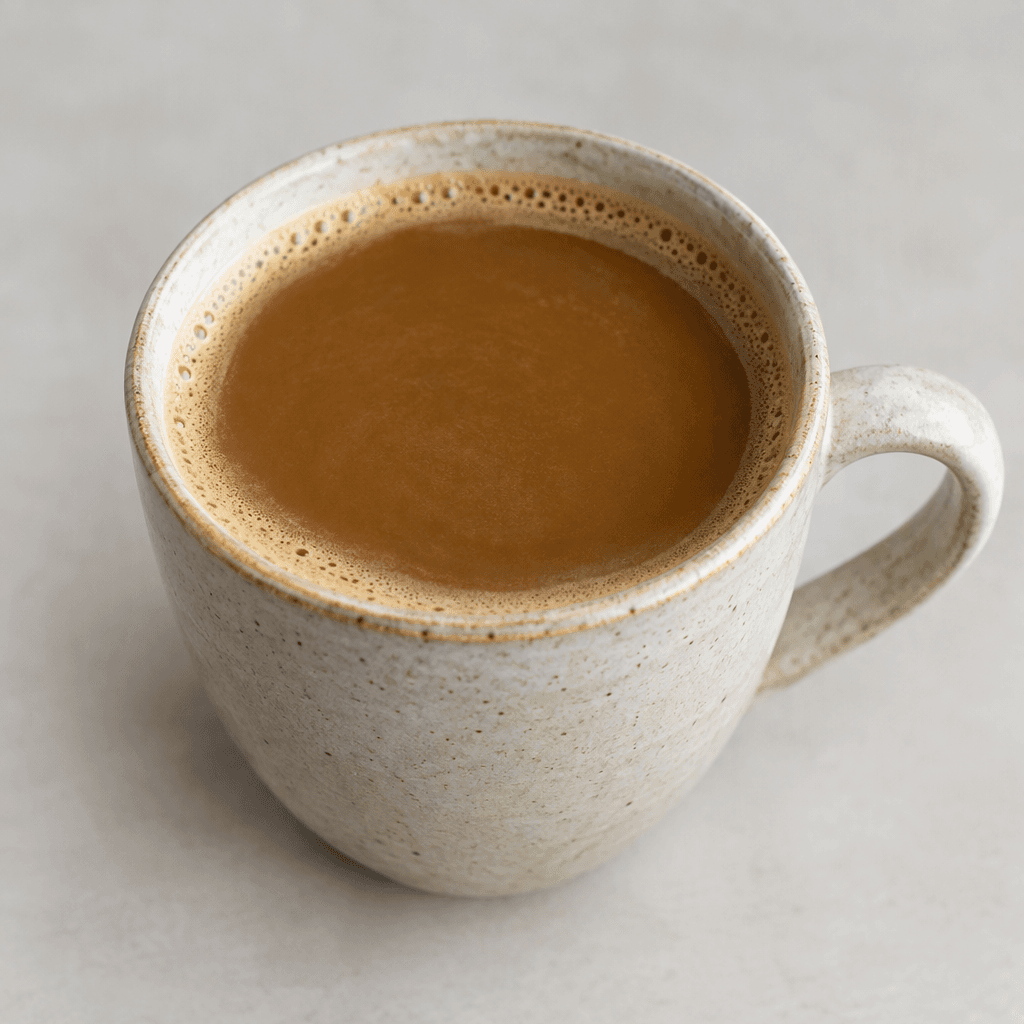
Lactose Free Coffee Calories
Lactose-free, low calorie, antioxidant source
In season: Spring · Summer · Autumn · Winter
CALORIES
GI
POTASSIUM
FIBER
Quick answer
1 cup (medium) of Lactose Free Coffee (240 g) has 5 calories. That works out to 2 calories per 100 g. It contains 0.7 g of carbs, 0.5 g of protein, 0 g of fat and 0 g of fiber. Its 0.7 mg of B3 covers 5% of the Daily Value. Its glycemic index is 0 (low), so it raises blood sugar slowly.
What is Lactose Free Coffee?
Lactose free coffee usually means brewed coffee served without milk: coffee itself contains no lactose. If you prefer it creamy, you can add lactose-free milk, though the drink’s nutrition will then depend on how much you use and the type of milk.
It has a roasted, gently bitter flavour and a light, smooth texture, sometimes topped with a little foam. Around the world, it is enjoyed at breakfast, during a work break or after a meal, either black or with a suitable milk alternative. Served plain, it is very low in calories and provides coffee’s naturally occurring antioxidants. For a softer cup, add lactose-free milk; leaving out sugar keeps it light.
Lactose Free Coffee Nutrition Facts
Selected: 100 g
2
KCAL / 100G
Carbs
0.3g
· 0% DV
Protein
0.2g
· 0% DV
Fat
0g
· 0% DV
Fiber
0g
· 0% DV
DV is the share of the daily value covered, on a 2,000 kcal reference diet.
Calories come from: Carbs 60% · Protein 40% · Fat 0%
Lactose Free Coffee Vitamins & Minerals
Vitamins
B2
0.02mg · 2% DV
B3
0.3mg · 2% DV
B1
0.01mg · 1% DV
B5
0.07mg · 1% DV
Minerals
Magnesium
3mg · 1% DV
Phosphorus
7mg · 1% DV
Potassium ⭐
50mg · 1% DV
Calcium
2mg · 0% DV
How Nutritious Is Lactose Free Coffee?
Nutrient density
Low
How many vitamins, minerals and how much fiber this food carries per calorie. A high score means a lot of nutrition for few calories.
Satiety score
Medium
An EatBetter score computed from fiber, protein and calorie density. A high score means staying full longer on the same calories.
Both scores are calculated per 100 g and do not change with the selected portion. The satiety score is EatBetter's own calculation, not a clinical measure.
Lactose Free Coffee Glycemic Index
GLYCEMIC INDEX
GLYCEMIC LOAD
Accounts for portion size — a more realistic measure than GI alone.
How to Burn Off Lactose Free Coffee
To burn the 2 calories in 100 g:
🚶
Walking (5 km/h)
🏃
Running (8 km/h)
🚴
Cycling
🏊
Swimming
Times are calculated with the MET equation for a 70 kg adult. Actual burn varies with your weight, age and pace.
Is Lactose Free Coffee Processed?
NOVA 2
Minimally Processed
1. Unprocessed
2. Minimally Processed
3. Processed
4. Ultra-Processed
NOVA classifies foods into 4 groups by industrial processing. NOVA 1 (unprocessed) is the healthiest.
Does Lactose Free Coffee Contain Allergens?
No known major allergens
Which Diets Is Lactose Free Coffee Good For?
Vegan
✓ Suitable
Vegetarian
✓ Suitable
Gluten-Free
✓ Suitable
Dairy-Free
— Not suitable
Mediterranean
✓ Suitable
Paleo
✓ Suitable
Whole30
— Not suitable
DASH
— Not suitable
Keto
✓ Suitable
Low FODMAP
— Not suitable
Lactose Free Coffee Fat Profile
SATURATED
0g
MONOUNSATURATED
0g
POLYUNSATURATED
0g
Compare Lactose Free Coffee
Foods Similar to Lactose Free Coffee
Frequently Asked Questions About Lactose Free Coffee
What is lactose-free coffee?
Lactose-free coffee is coffee served without lactose-containing ingredients. Plain brewed coffee is naturally lactose-free and minimally processed; adding milk or creamer changes the drink, so choose a lactose-free option if needed.
Does lactose-free coffee contain caffeine?
Yes, lactose-free coffee can contain caffeine; removing lactose does not remove caffeine. Choose coffee made with decaffeinated beans if you want to reduce your caffeine intake.
Can people with lactose intolerance drink lactose-free coffee?
Yes, plain lactose-free coffee is suitable for people with lactose intolerance. Café versions may include regular milk or cream, so ask what has been added before ordering.
How do you make lactose-free coffee at home?
Brew coffee with water and drink it black, or add lactose-free milk for a creamier cup. Regular milk, cream, and milk powder can add lactose, so check the ingredients of any additions.
Is lactose-free coffee the same as decaf?
No. Lactose-free describes the absence of lactose, while decaf describes coffee with most of its caffeine removed. A cup can be lactose-free, caffeinated, both, or neither depending on how it is made.
Can you use oat milk in lactose-free coffee?
Yes, oat milk works well in lactose-free coffee and adds a mild, creamy taste. Choose an unsweetened version if you want to avoid added sugar, and check that it suits any other dietary needs.
Does lactose-free coffee taste different from regular coffee?
Black lactose-free coffee tastes like regular black coffee because lactose is not naturally present in brewed coffee. A taste difference usually comes from the milk or creamer used in the cup.
Can lactose-free coffee upset your stomach?
Yes, it can bother some people even without lactose; coffee itself may trigger reflux or stomach discomfort. If milk is added, another ingredient or the fat content may also be responsible.
Is lactose-free coffee safe during pregnancy?
Lactose-free coffee can be consumed during pregnancy, but its caffeine still counts toward your daily intake. Keep within the limit recommended by your healthcare professional, including caffeine from other drinks and foods.
Can you drink lactose-free coffee before a workout?
Yes, you can drink lactose-free coffee before exercise. Its caffeine may make you feel more alert, but it can also cause jitters or stomach discomfort, so avoid it if those effects interfere with your workout.
Have another question about Lactose Free Coffee?
Ask the AI nutrition coach — calories, portions, alternatives and more, answered in seconds in the app.

Scan calories with your camera
Instant AI nutrition analysis

Nutrition data compiled from USDA FoodData Central and scientific sources.