

Ready & Packaged Foods
All →Vegetables & Legumes
All →Desserts & Confectionery
All →Meat & Protein
All →Grains & Bakery
All →Beverages
All →Milk & Dairy
All →

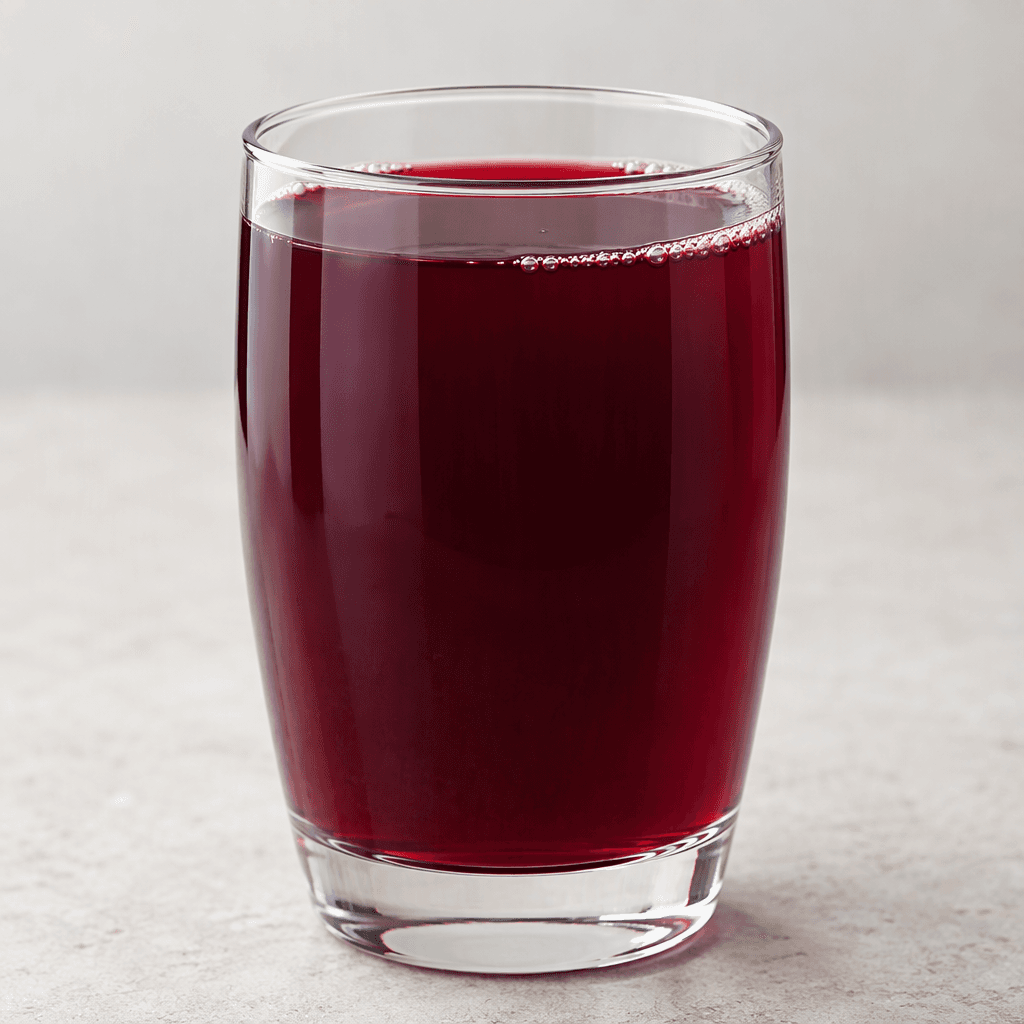
Grape Juice Calories
Natural sugar source, contains vitamin C
In season: Summer · Autumn
CALORIES
GI
POTASSIUM
FIBER
Quick answer
1 cup (medium) of Grape Juice (240 g) has 144 calories. That works out to 60 calories per 100 g. It contains 36 g of carbs, 1 g of protein, 0.2 g of fat and 0.5 g of fiber. Its 24 mg of Vitamin C covers 27% of the Daily Value. Its glycemic index is 58 (medium), so it raises blood sugar at a moderate pace.
What is Grape Juice?
Grape juice is made by crushing and pressing grapes, then straining the liquid. Its colour and flavour vary with the grape varieties used, from pale and delicate to deep purple and richly fruity. It is enjoyed around the world, either freshly pressed or sold ready to drink; unlike wine, it is not fermented.
Usually served chilled, it works at breakfast, with a snack or as a non-alcoholic drink alongside a meal. It provides natural sugars and some vitamin C, but very little fibre, so it is sweeter and less filling than whole grapes. If you prefer a lighter, less sweet drink, dilute it with water or pour a smaller glass.
Grape Juice Nutrition Facts
Selected: 100 g
60
KCAL / 100G
Carbs
15g
· 5% DV
Protein
0.4g
· 1% DV
Fat
0.1g
· 0% DV
Fiber
0.2g
· 1% DV
DV is the share of the daily value covered, on a 2,000 kcal reference diet.
Calories come from: Carbs 96% · Protein 3% · Fat 1%

Log this food in EatBetter
100,000+ people use it
- Get your daily calorie target
- Snap your meal, log it in seconds
- See every vitamin and mineral

📸 Scan the code to get the app free.

Grape Juice Vitamins & Minerals
Vitamins
Vitamin C
10mg · 11% DV
B1
0.03mg · 3% DV
B6
0.04mg · 2% DV
Vitamin E
0.3mg · 2% DV
Minerals
Potassium ⭐
120mg · 4% DV
Phosphorus
13mg · 2% DV
Copper
0mg · 0% DV
Manganese
0mg · 0% DV
How Nutritious Is Grape Juice?
Nutrient density
Medium
How many vitamins, minerals and how much fiber this food carries per calorie. A high score means a lot of nutrition for few calories.
Satiety score
Medium
An EatBetter score computed from fiber, protein and calorie density. A high score means staying full longer on the same calories.
Both scores are calculated per 100 g and do not change with the selected portion. The satiety score is EatBetter's own calculation, not a clinical measure.
Grape Juice Glycemic Index
GLYCEMIC INDEX
GLYCEMIC LOAD
Accounts for portion size — a more realistic measure than GI alone.
How to Burn Off Grape Juice
To burn the 60 calories in 100 g:
🚶
Walking (5 km/h)
🏃
Running (8 km/h)
🚴
Cycling
🏊
Swimming
Times are calculated with the MET equation for a 70 kg adult. Actual burn varies with your weight, age and pace.
Is Grape Juice Processed?
NOVA 2
Minimally Processed
1. Unprocessed
2. Minimally Processed
3. Processed
4. Ultra-Processed
NOVA classifies foods into 4 groups by industrial processing. NOVA 1 (unprocessed) is the healthiest.
Does Grape Juice Contain Allergens?
No known major allergens
Which Diets Is Grape Juice Good For?
Vegan
✓ Suitable
Vegetarian
✓ Suitable
Gluten-Free
✓ Suitable
Dairy-Free
— Not suitable
Mediterranean
✓ Suitable
Paleo
✓ Suitable
Whole30
— Not suitable
DASH
— Not suitable
Keto
— Not suitable
Low FODMAP
— Not suitable
Grape Juice Fat Profile
SATURATED
0.01g
MONOUNSATURATED
0.01g
POLYUNSATURATED
0.02g
Omega 6:3 ratio 2:1
Below the ideal 4:1 — a good omega balance.
Compare Grape Juice
Foods Similar to Grape Juice
Frequently Asked Questions About Grape Juice
Is grape juice good for you?
Grape juice can provide vitamin C and grape-derived plant compounds, but it has much less fiber than whole grapes and contains natural sugars. It can be enjoyed as a drink, though water is a better everyday thirst-quencher.
Does grape juice raise blood sugar?
Yes, grape juice can raise blood sugar because its sugars are quickly consumed in liquid form. If you have diabetes, fit it into your meal plan rather than treating it as a free-drinking beverage.
How do you make grape juice at home?
To make grape juice, wash and destem the grapes, simmer them with a little water until soft, then mash and strain them. Cool the juice and refrigerate it in a clean, covered container.
Does grape juice help with constipation?
Grape juice is not a reliable constipation remedy because it contains little fiber compared with whole grapes. For more fiber, eat the fruit itself and include other fiber-rich foods; persistent constipation deserves medical advice.
What is the difference between grape juice and wine?
Grape juice is unfermented, while wine is made when yeast ferments grape sugars into alcohol. Grape juice can start fermenting if left warm after opening, so refrigerate it and discard it if it becomes fizzy or smells sour.
Can you freeze grape juice?
Yes, grape juice can be frozen. Leave room in a freezer-safe container for expansion, then thaw it in the refrigerator and shake or stir it before serving, since natural solids may settle or separate.
How long does grape juice last after opening?
Opened grape juice should be kept tightly covered in the refrigerator and used within the time stated on its package. Discard it if you notice mold, an unusual sour smell, or unexpected fizzing.
Is red grape juice different from white grape juice?
Yes, red and white grape juices are made from different grape varieties and have different colors and flavor profiles. Red juice gets its color from pigments in grape skins, while white juice is made from lighter-colored grapes.
Can grape juice turn into alcohol?
Yes, grape juice can ferment and develop alcohol when yeast acts on its sugars, especially if it is left warm. Do not drink homemade juice that has become unexpectedly fizzy, sour, or pressurized.
Can grape juice replace fresh grapes in recipes?
Sometimes: grape juice works in sauces, marinades, and drinks, but it cannot replace whole grapes where texture or intact fruit matters. Since juice is liquid and less fibrous, adjust other liquid and sweet ingredients in the recipe.
Have another question about Grape Juice?
Ask the AI nutrition coach — calories, portions, alternatives and more, answered in seconds in the app.

Scan calories with your camera
Instant AI nutrition analysis

Nutrition data compiled from USDA FoodData Central and scientific sources.