

Ready & Packaged Foods
All →Vegetables & Legumes
All →Desserts & Confectionery
All →Meat & Protein
All →Grains & Bakery
All →Beverages
All →Milk & Dairy
All →

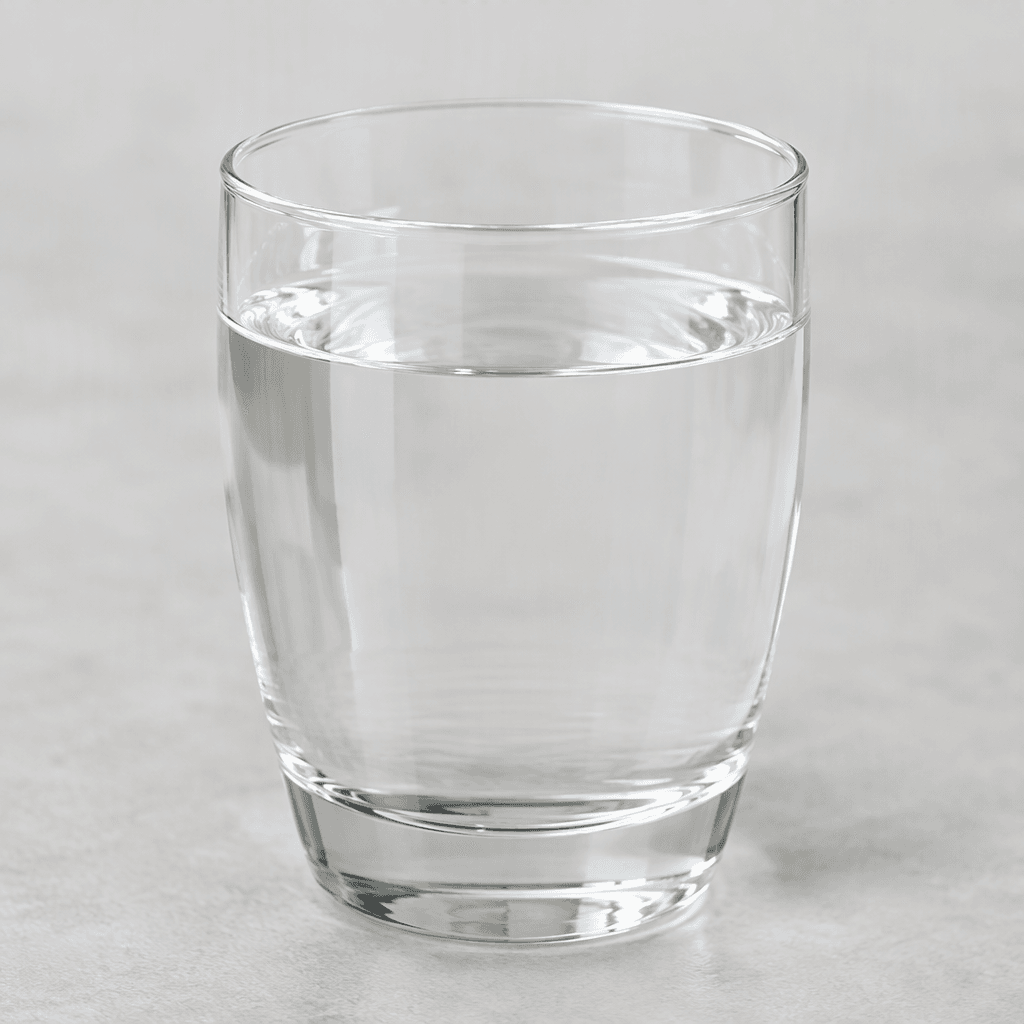
Gin Calories
Alcohol-based, popular for cocktails, low nutrient value
In season: Spring · Summer · Autumn · Winter
CALORIES
GI
POTASSIUM
FIBER
Quick answer
1 serving (medium) of Gin (44 g) has 116 calories. That works out to 263 calories per 100 g. It contains 0 g of carbs, 0 g of protein, 0 g of fat and 0 g of fiber. Its glycemic index is 0 (low), so it raises blood sugar slowly.
What is Gin?
Gin is a clear distilled spirit flavoured chiefly with juniper and often with other botanicals, such as citrus peel or spices. Its history is linked to Dutch genever, while the style now widely recognised as gin became especially popular in Britain. The juniper gives it a distinctive piney note, with the exact flavour varying from one bottle to another.
It is commonly mixed with tonic and ice, or used in cocktails such as a martini; soda and citrus make a simpler, less sweet serve. Gin provides little in the way of nutrients, though alcohol contributes energy: it has 263 calories per 100 grams. For a lighter mixer, choose soda water over sugary tonic and keep the pour modest.
Gin Nutrition Facts
Selected: 100 g
263
KCAL / 100G
Carbs
0g
· 0% DV
Protein
0g
· 0% DV
Fat
0g
· 0% DV
Fiber
0g
· 0% DV
DV is the share of the daily value covered, on a 2,000 kcal reference diet.
Calories come from: Carbs 0% · Protein 0% · Fat 100%
Gin Vitamins & Minerals
Vitamins
Vitamin A
0µg · 0% DV
B1
0mg · 0% DV
B2
0mg · 0% DV
B3
0mg · 0% DV
Minerals
Calcium
0mg · 0% DV
Iron
0mg · 0% DV
Magnesium
0mg · 0% DV
Zinc
0mg · 0% DV
How Nutritious Is Gin?
Nutrient density
Low
How many vitamins, minerals and how much fiber this food carries per calorie. A high score means a lot of nutrition for few calories.
Satiety score
Low
An EatBetter score computed from fiber, protein and calorie density. A high score means staying full longer on the same calories.
Both scores are calculated per 100 g and do not change with the selected portion. The satiety score is EatBetter's own calculation, not a clinical measure.
Gin Glycemic Index
GLYCEMIC INDEX
GLYCEMIC LOAD
Accounts for portion size — a more realistic measure than GI alone.
How to Burn Off Gin
To burn the 263 calories in 100 g:
🚶
Walking (5 km/h)
🏃
Running (8 km/h)
🚴
Cycling
🏊
Swimming
Times are calculated with the MET equation for a 70 kg adult. Actual burn varies with your weight, age and pace.
Is Gin Processed?
NOVA 4
Ultra-Processed
1. Unprocessed
2. Minimally Processed
3. Processed
4. Ultra-Processed
NOVA classifies foods into 4 groups by industrial processing. NOVA 1 (unprocessed) is the healthiest.
Does Gin Contain Allergens?
No known major allergens
Which Diets Is Gin Good For?
Vegan
✓ Suitable
Vegetarian
✓ Suitable
Gluten-Free
✓ Suitable
Dairy-Free
— Not suitable
Mediterranean
✓ Suitable
Paleo
✓ Suitable
Whole30
— Not suitable
DASH
— Not suitable
Keto
✓ Suitable
Low FODMAP
— Not suitable
Gin Fat Profile
SATURATED
0g
MONOUNSATURATED
0g
POLYUNSATURATED
0g
Compare Gin
Foods Similar to Gin
Frequently Asked Questions About Gin
What is gin made from?
Gin is made from a neutral spirit flavoured with botanicals, and juniper must be its defining flavour. Coriander, citrus peel and spices are also common; each producer uses a different blend, so gins can taste quite distinct.
What is the difference between gin and vodka?
Gin is flavoured with juniper and other botanicals, while vodka is generally made to have a more neutral taste. That herbal character makes gin stand out in drinks such as a martini or gin and tonic.
How do you make a gin and tonic?
Pour gin over ice, top it with tonic water and add a citrus garnish such as lime or lemon. Adjust the amount of tonic to taste; a large amount can mask the gin’s botanical flavours.
What does “London dry gin” mean?
London dry describes a production style, not a place of origin. The gin’s flavour comes from botanicals distilled with the spirit, and sweeteners cannot be added after distillation, giving the style its characteristically dry taste.
What are the best-known cocktails made with gin?
The gin and tonic, martini, negroni and Tom Collins are well-known gin cocktails. They highlight different sides of gin: tonic brings bitterness, vermouth adds herbal notes, and citrus-based drinks make its botanical flavours especially noticeable.
Can you drink gin neat?
Yes, gin can be enjoyed neat, though its concentrated botanical flavour may taste sharp. Sip a small amount first; a little water or ice can soften the alcohol sensation and make the aromas easier to notice.
Does gin go bad after opening?
Gin usually does not spoil quickly after opening, but exposure to air can gradually dull its aroma. Close the bottle tightly and store it somewhere cool and away from sunlight to preserve its flavour.
Does gin freeze in a home freezer?
Most standard gin will not freeze solid in a home freezer, though it will become very cold and may feel thicker. Lower-alcohol or sweetened gin-based drinks can behave differently, and chilling can make the gin’s aromas less noticeable.
What gives gin its distinctive flavour?
Juniper gives gin its defining flavour, often described as pine-like or resinous. Other botanicals, such as coriander, citrus peel and herbs, add layers of aroma, which is why one gin can taste much more floral or spicy than another.
What can you mix with gin besides tonic?
Gin also pairs well with soda water, vermouth, lemon juice and ginger ale. Soda keeps the drink lighter and less sweet, while vermouth is used in cocktails such as a martini; choose a mixer that complements the gin’s botanicals.
Have another question about Gin?
Ask the AI nutrition coach — calories, portions, alternatives and more, answered in seconds in the app.

Scan calories with your camera
Instant AI nutrition analysis

Nutrition data compiled from USDA FoodData Central and scientific sources.