

Ready & Packaged Foods
All →Vegetables & Legumes
All →Desserts & Confectionery
All →Meat & Protein
All →Grains & Bakery
All →Beverages
All →Milk & Dairy
All →

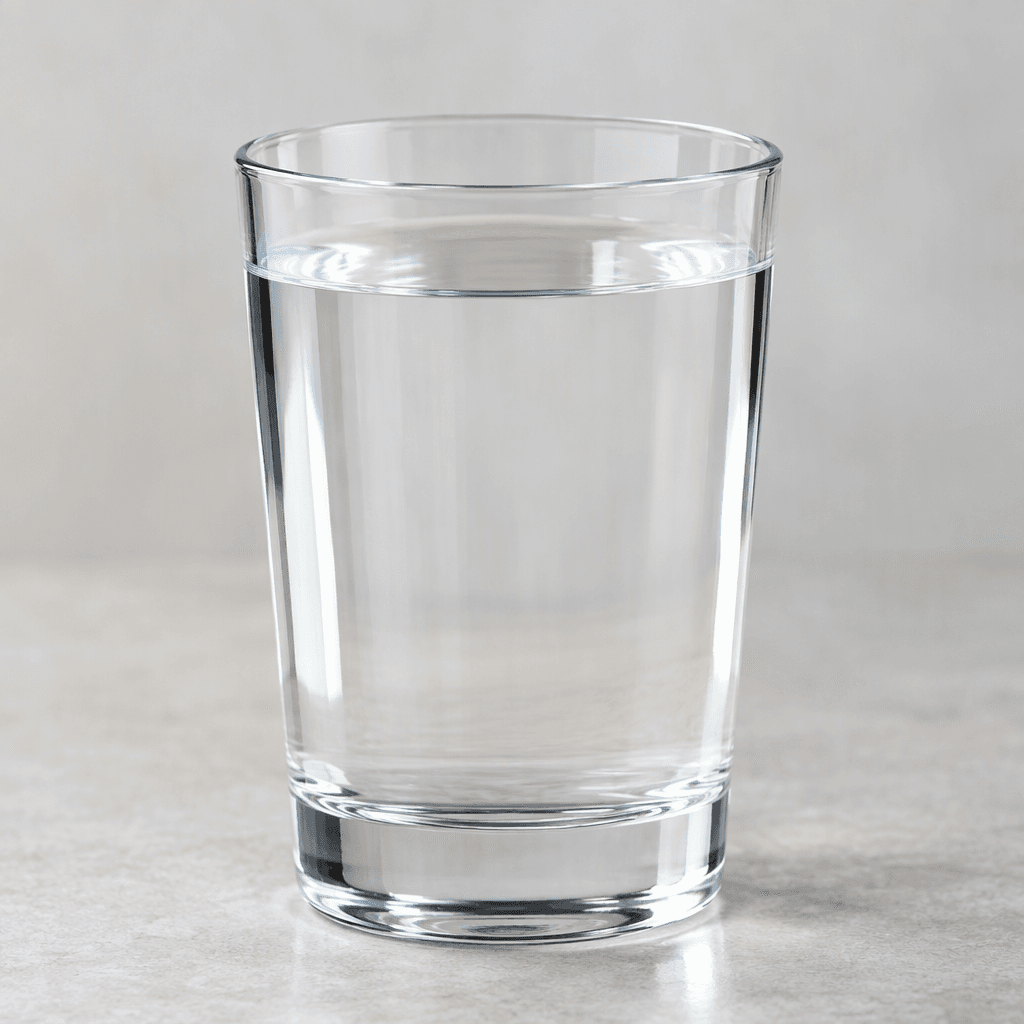
Electrolyte water Calories
Ideal for hydration and electrolyte balance, low calorie
In season: Spring · Summer · Autumn · Winter
CALORIES
GI
POTASSIUM
FIBER
Quick answer
1 cup (medium) of Electrolyte water (250 g) has 5 calories. That works out to 2 calories per 100 g. It contains 1.3 g of carbs, 0 g of protein, 0 g of fat and 0 g of fiber. Its 125 mg of Sodium covers 5% of the Daily Value. Its glycemic index is 0 (low), so it raises blood sugar slowly.
What is Electrolyte water?
Electrolyte water is water with added electrolytes, such as sodium or potassium, or water marketed for its mineral content. The exact ingredients vary by product: some taste much like plain water, while others have a faint mineral or salty note.
It is usually served chilled and is often chosen after exercise, in hot weather, or during a long day on the go. Its clear, light texture makes it easy to drink on its own. It is low in calories, with 2 calories per 100 grams. If you want a simple everyday option, check the label for added sugar and compare electrolyte amounts; an unsweetened version may suit you better.
Electrolyte water Nutrition Facts
Selected: 100 g
2
KCAL / 100G
Carbs
0.5g
· 0% DV
Protein
0g
· 0% DV
Fat
0g
· 0% DV
Fiber
0g
· 0% DV
DV is the share of the daily value covered, on a 2,000 kcal reference diet.
Calories come from: Carbs 100% · Protein 0% · Fat 0%

Log this food in EatBetter
100,000+ people use it
- Get your daily calorie target
- Snap your meal, log it in seconds
- See every vitamin and mineral

📸 Scan the code to get the app free.

Electrolyte water Vitamins & Minerals
Vitamins
Vitamin A
0µg · 0% DV
B1
0mg · 0% DV
B2
0mg · 0% DV
B3
0mg · 0% DV
Minerals
Sodium
50mg · 2% DV
Magnesium
5mg · 1% DV
Calcium
10mg · 1% DV
Potassium ⭐
20mg · 1% DV
How Nutritious Is Electrolyte water?
Nutrient density
Low
How many vitamins, minerals and how much fiber this food carries per calorie. A high score means a lot of nutrition for few calories.
Satiety score
Medium
An EatBetter score computed from fiber, protein and calorie density. A high score means staying full longer on the same calories.
Both scores are calculated per 100 g and do not change with the selected portion. The satiety score is EatBetter's own calculation, not a clinical measure.
Electrolyte water Glycemic Index
GLYCEMIC INDEX
GLYCEMIC LOAD
Accounts for portion size — a more realistic measure than GI alone.
How to Burn Off Electrolyte water
To burn the 2 calories in 100 g:
🚶
Walking (5 km/h)
🏃
Running (8 km/h)
🚴
Cycling
🏊
Swimming
Times are calculated with the MET equation for a 70 kg adult. Actual burn varies with your weight, age and pace.
Is Electrolyte water Processed?
NOVA 3
Processed
1. Unprocessed
2. Minimally Processed
3. Processed
4. Ultra-Processed
NOVA classifies foods into 4 groups by industrial processing. NOVA 1 (unprocessed) is the healthiest.
Does Electrolyte water Contain Allergens?
No known major allergens
Which Diets Is Electrolyte water Good For?
Vegan
✓ Suitable
Vegetarian
✓ Suitable
Gluten-Free
✓ Suitable
Dairy-Free
— Not suitable
Mediterranean
✓ Suitable
Paleo
✓ Suitable
Whole30
— Not suitable
DASH
— Not suitable
Keto
✓ Suitable
Low FODMAP
— Not suitable
Electrolyte water Fat Profile
SATURATED
0g
MONOUNSATURATED
0g
POLYUNSATURATED
0g
Compare Electrolyte water
Foods Similar to Electrolyte water
Frequently Asked Questions About Electrolyte water
What is electrolyte water?
Electrolyte water is water containing minerals such as sodium or potassium, either added or naturally present. Formulas vary: some products also contain sweeteners, sugar, or flavoring.
Is electrolyte water better than plain water for hydration?
Not usually. Plain water is enough for routine hydration, while electrolyte water can be useful when prolonged exercise, heat, or heavy sweating causes greater fluid and mineral losses.
When should you drink electrolyte water after a workout?
Drink electrolyte water after a long or intense workout if you have sweated heavily. For a short, low-intensity session, plain water is generally sufficient.
Can you drink electrolyte water while fasting?
Yes, you can drink electrolyte water during a fasting window if your fasting plan allows noncaloric drinks. Some varieties contain sugar, so electrolyte water is not automatically calorie-free.
Can you make electrolyte water at home?
Yes, you can mix water with a small amount of salt and a squeeze of citrus, but a homemade drink is not the same as a formulated product. Do not use it as a substitute for oral rehydration solution during illness.
Is it safe to drink electrolyte water every day?
For most healthy adults, occasional or regular electrolyte water is safe, but it is not necessary every day. Frequent use can add more sodium or sugar than intended, depending on the formula.
Does electrolyte water contain sugar?
Some electrolyte waters contain sugar, while others are unsweetened. The term electrolyte water does not specify the sweetener or carbohydrate content; formulations differ between products.
Does electrolyte water help with a hangover?
Electrolyte water can provide fluid, but it does not cure a hangover or make alcohol leave the body faster. Rest and time matter, and drinking it cannot undo alcohol’s effects.
Can electrolyte water replace oral rehydration solution for diarrhea?
No. Electrolyte water is not necessarily formulated to replace the fluid and salts lost through diarrhea or vomiting. Use an oral rehydration solution for that purpose, and seek medical advice for severe symptoms or a young child.
Is electrolyte water the same as a sports drink?
No. Electrolyte water is usually water with added minerals, whereas sports drinks often include carbohydrates for exercise fuel as well as electrolytes. Ingredients vary, so the two are not interchangeable in every situation.
Have another question about Electrolyte water?
Ask the AI nutrition coach — calories, portions, alternatives and more, answered in seconds in the app.

Scan calories with your camera
Instant AI nutrition analysis

Nutrition data compiled from USDA FoodData Central and scientific sources.