

Ready & Packaged Foods
All →Vegetables & Legumes
All →Desserts & Confectionery
All →Meat & Protein
All →Grains & Bakery
All →Beverages
All →Milk & Dairy
All →

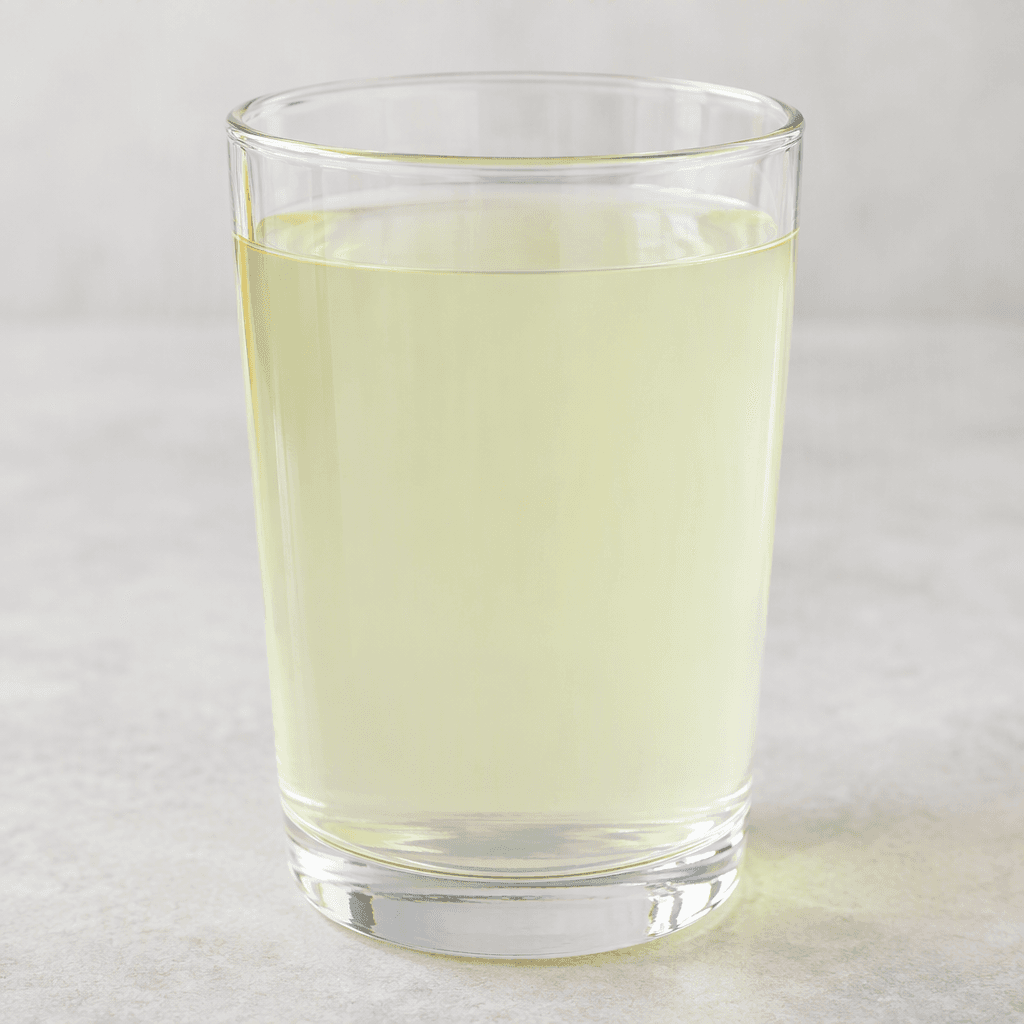
Electrolyte blend Calories
Blend containing sodium, potassium, magnesium, and calcium
In season: Spring · Summer · Autumn · Winter
CALORIES
GI
POTASSIUM
FIBER
Quick answer
1 cup (medium) of Electrolyte blend (250 g) has 75 calories. That works out to 30 calories per 100 g. It contains 17.5 g of carbs, 0 g of protein, 0 g of fat and 0 g of fiber. Its 3000 mg of Sodium covers 130% of the Daily Value. Its glycemic index is 50 (low), so it raises blood sugar slowly.
What is Electrolyte blend?
An electrolyte blend is a drink mix or ready-to-drink beverage containing minerals such as sodium, potassium, magnesium and calcium. Mixes are commonly stirred into water, while prepared versions are poured and served as they are. The drink is often clear or lightly coloured, with a smooth texture; depending on the formula, it may taste mildly sweet, salty or flavoured.
People may choose it after exercise, in hot weather or following prolonged sweating, though it is not an everyday substitute for water. Its nutritional profile can include carbohydrates: the drink described here provides 7 g per 100 g. For a lighter option, follow the product’s mixing directions and avoid adding extra sweetener; it can also be served chilled.
Electrolyte blend Nutrition Facts
Selected: 100 g
30
KCAL / 100G
Carbs
7g
· 3% DV
Protein
0g
· 0% DV
Fat
0g
· 0% DV
Fiber
0g
· 0% DV
DV is the share of the daily value covered, on a 2,000 kcal reference diet.
Calories come from: Carbs 100% · Protein 0% · Fat 0%
Electrolyte blend Vitamins & Minerals
Vitamins
Vitamin A
0µg · 0% DV
B1
0mg · 0% DV
B2
0mg · 0% DV
B3
0mg · 0% DV
Minerals
Sodium
1200mg · 52% DV
Potassium ⭐
700mg · 21% DV
Calcium
120mg · 12% DV
Magnesium
50mg · 12% DV
How Nutritious Is Electrolyte blend?
Nutrient density
Low
How many vitamins, minerals and how much fiber this food carries per calorie. A high score means a lot of nutrition for few calories.
Satiety score
Medium
An EatBetter score computed from fiber, protein and calorie density. A high score means staying full longer on the same calories.
Both scores are calculated per 100 g and do not change with the selected portion. The satiety score is EatBetter's own calculation, not a clinical measure.
Electrolyte blend Glycemic Index
GLYCEMIC INDEX
GLYCEMIC LOAD
Accounts for portion size — a more realistic measure than GI alone.
How to Burn Off Electrolyte blend
To burn the 30 calories in 100 g:
🚶
Walking (5 km/h)
🏃
Running (8 km/h)
🚴
Cycling
🏊
Swimming
Times are calculated with the MET equation for a 70 kg adult. Actual burn varies with your weight, age and pace.
Is Electrolyte blend Processed?
NOVA 3
Processed
1. Unprocessed
2. Minimally Processed
3. Processed
4. Ultra-Processed
NOVA classifies foods into 4 groups by industrial processing. NOVA 1 (unprocessed) is the healthiest.
Does Electrolyte blend Contain Allergens?
No known major allergens
Which Diets Is Electrolyte blend Good For?
Vegan
✓ Suitable
Vegetarian
✓ Suitable
Gluten-Free
✓ Suitable
Dairy-Free
— Not suitable
Mediterranean
✓ Suitable
Paleo
— Not suitable
Whole30
— Not suitable
DASH
— Not suitable
Keto
✓ Suitable
Low FODMAP
— Not suitable
Electrolyte blend Fat Profile
SATURATED
0g
MONOUNSATURATED
0g
POLYUNSATURATED
0g
Compare Electrolyte blend
Foods Similar to Electrolyte blend
Frequently Asked Questions About Electrolyte blend
What does an electrolyte blend do?
An electrolyte blend provides minerals such as sodium, potassium, magnesium, and calcium in a drink. It can help replace fluid and electrolytes lost during heavy sweating, but it is not necessary for everyday hydration when water and meals are adequate.
Is an electrolyte blend better than water for hydration?
No, water is usually enough for routine hydration. An electrolyte blend can be useful when prolonged exercise, heat, or heavy sweating increases mineral losses, but it does not hydrate everyone better than water in ordinary daily conditions.
When should you drink an electrolyte blend?
Drink an electrolyte blend when you have been sweating heavily, such as during prolonged exercise or demanding activity in hot weather. For a normal day without substantial fluid loss, drinking water when thirsty is generally sufficient.
Should you drink an electrolyte blend before or after a workout?
After a long or intense workout, an electrolyte blend can help replace fluid and minerals lost through sweat. Before exercise, it is not routinely needed; for a short, light session, water and your usual meals are generally enough.
Can an electrolyte blend treat dehydration from diarrhea or vomiting?
Not necessarily; an electrolyte blend is not automatically equivalent to an oral rehydration solution. Products formulated for exercise may have a different balance of salts and sugars, so use a medical rehydration product for illness-related fluid loss and seek care if symptoms are severe or persistent.
Can you drink an electrolyte blend every day?
Most people do not need an electrolyte blend every day, because normal meals and water usually cover routine needs. Daily use can add unnecessary sodium, so reserve it for situations involving substantial sweating or another specific need.
Can you make an electrolyte blend at home?
Yes, but homemade mixtures need carefully measured ingredients; guessing the salt and sugar amounts can produce an unsuitable drink. If your electrolyte blend is a packaged product, prepare it only as directed rather than making it more concentrated.
Does an electrolyte blend help with jet lag or a hangover?
An electrolyte blend may contribute fluid after a night of alcohol or travel, but it does not cure a hangover or jet lag. Rest, time, and ordinary hydration matter; alcohol itself can disrupt sleep and increase fluid loss.
Can you drink an electrolyte blend before bed?
Yes, you can drink an electrolyte blend before bed if you need fluid, but nighttime use has no special hydration advantage. A large drink close to bedtime may interrupt sleep by making you need the bathroom.
Is an electrolyte blend safe for people with kidney disease?
People with kidney disease should ask their clinician before using an electrolyte blend regularly. The kidneys help regulate minerals such as potassium and sodium, and some medicines can also affect their levels.
Have another question about Electrolyte blend?
Ask the AI nutrition coach — calories, portions, alternatives and more, answered in seconds in the app.

Scan calories with your camera
Instant AI nutrition analysis

Nutrition data compiled from USDA FoodData Central and scientific sources.