

Ready & Packaged Foods
All →Vegetables & Legumes
All →Desserts & Confectionery
All →Meat & Protein
All →Grains & Bakery
All →Beverages
All →Milk & Dairy
All →

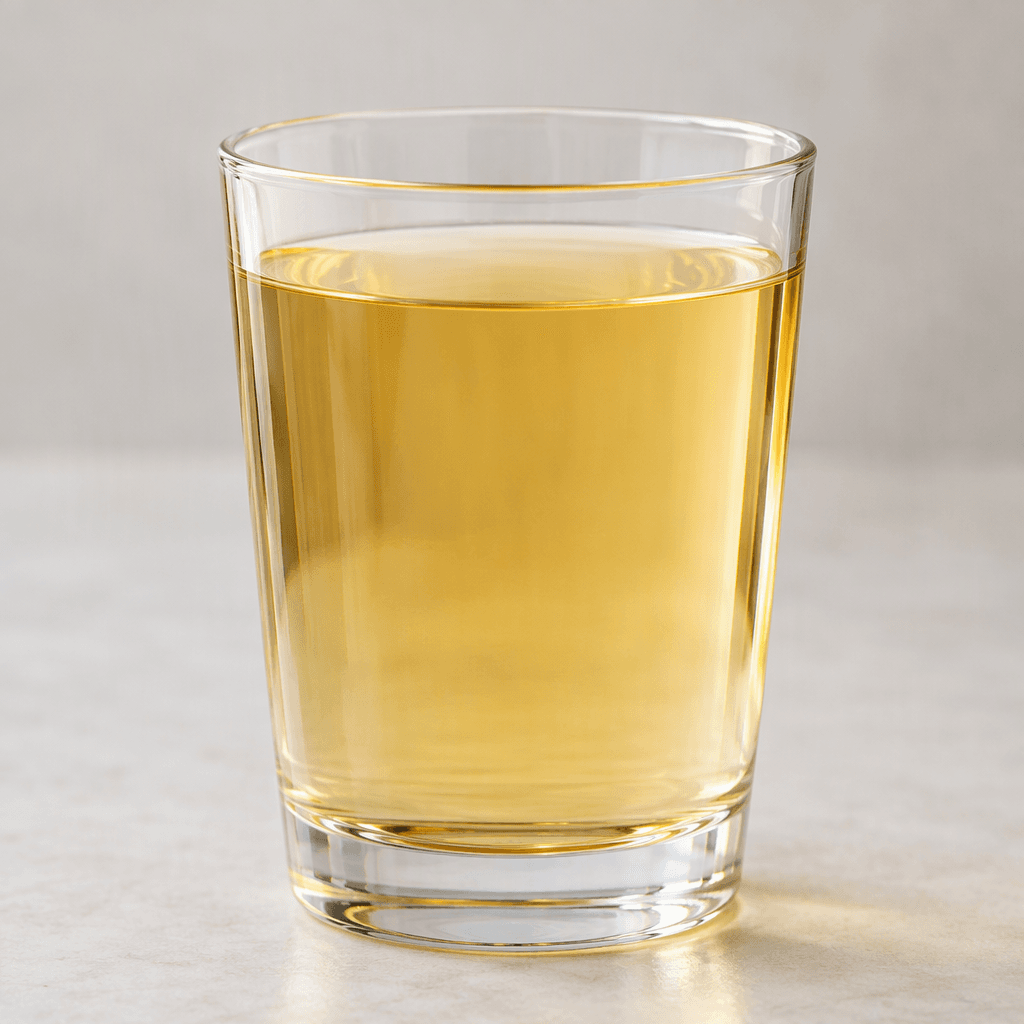
Drink Calories
Very broad category; nutrition varies by type.
In season: Spring · Summer · Autumn · Winter
CALORIES
GI
POTASSIUM
FIBER
Quick answer
1 cup (medium) of Drink (240 g) has 96 calories. That works out to 40 calories per 100 g. It contains 24 g of carbs, 0 g of protein, 0 g of fat and 0 g of fiber. Its glycemic index is 60 (medium), so it raises blood sugar at a moderate pace.
What is Drink?
A drink is any liquid consumed to quench thirst or accompany a meal, from water and tea to juice and milk-based options. The word describes a broad category rather than one recipe or a single drink with a shared place of origin.
How it tastes and is served depends on what is in the glass: drinks may be still or sparkling, hot or cold, light or creamy. Across English-speaking communities, they range from tea and coffee at breakfast to water or soft drinks with meals. Their nutritional character varies just as widely; some contribute little beyond fluid, while others provide energy and carbohydrates. The listed 40 kcal per 100 g should not be taken as typical of every drink. Choose an option that suits the meal and, when thirst is the main concern, consider plain water.
Drink Nutrition Facts
Selected: 100 g
40
KCAL / 100G
Carbs
10g
· 4% DV
Protein
0g
· 0% DV
Fat
0g
· 0% DV
Fiber
0g
· 0% DV
DV is the share of the daily value covered, on a 2,000 kcal reference diet.
Calories come from: Carbs 100% · Protein 0% · Fat 0%
Drink Vitamins & Minerals
Vitamins
B1
0.01mg · 1% DV
B2
0.01mg · 1% DV
B6
0.01mg · 1% DV
Vitamin C
1mg · 1% DV
Minerals
Calcium
2mg · 0% DV
Iron
0mg · 0% DV
Magnesium
1mg · 0% DV
Zinc
0mg · 0% DV
How Nutritious Is Drink?
Nutrient density
Low
How many vitamins, minerals and how much fiber this food carries per calorie. A high score means a lot of nutrition for few calories.
Satiety score
Medium
An EatBetter score computed from fiber, protein and calorie density. A high score means staying full longer on the same calories.
Both scores are calculated per 100 g and do not change with the selected portion. The satiety score is EatBetter's own calculation, not a clinical measure.
Drink Glycemic Index
GLYCEMIC INDEX
GLYCEMIC LOAD
Accounts for portion size — a more realistic measure than GI alone.
How to Burn Off Drink
To burn the 40 calories in 100 g:
🚶
Walking (5 km/h)
🏃
Running (8 km/h)
🚴
Cycling
🏊
Swimming
Times are calculated with the MET equation for a 70 kg adult. Actual burn varies with your weight, age and pace.
Is Drink Processed?
NOVA 3
Processed
1. Unprocessed
2. Minimally Processed
3. Processed
4. Ultra-Processed
NOVA classifies foods into 4 groups by industrial processing. NOVA 1 (unprocessed) is the healthiest.
Does Drink Contain Allergens?
No known major allergens
Which Diets Is Drink Good For?
Vegan
✓ Suitable
Vegetarian
✓ Suitable
Gluten-Free
✓ Suitable
Dairy-Free
— Not suitable
Mediterranean
✓ Suitable
Paleo
✓ Suitable
Whole30
— Not suitable
DASH
— Not suitable
Keto
— Not suitable
Low FODMAP
— Not suitable
Drink Fat Profile
SATURATED
0g
MONOUNSATURATED
0g
POLYUNSATURATED
0g
Compare Drink
Foods Similar to Drink
Frequently Asked Questions About Drink
Do drinks count toward daily hydration?
Yes, most drinks contribute to fluid intake, although water is the simplest everyday choice. Drinks high in sugar or alcohol are not ideal substitutes for water, even though they contain fluid.
Can a drink replace water?
Sometimes, but not every drink is a good everyday replacement. Water is a reliable default; sugary drinks add sugar, while alcohol can worsen fluid loss rather than hydrate you effectively.
Which drink is best when you are dehydrated?
Water is suitable for mild thirst after ordinary daily activity. After substantial fluid loss from vomiting, diarrhea, or prolonged strenuous exercise, an oral rehydration drink may be more appropriate than a typical sweet beverage.
Is it okay to have a drink on an empty stomach?
Usually, yes, but the effect depends on the drink. Coffee, acidic beverages, and very sugary drinks can cause discomfort for some people; having them with food may help if they upset your stomach.
Can drinking something before bed affect sleep?
Yes. Caffeinated drinks can make it harder to fall asleep, and a large drink just before bed may wake you for the bathroom. Choose a caffeine-free option and keep the serving modest.
How long can a drink sit out at room temperature?
There is no safe time limit that applies to every drink: milk-based and freshly prepared beverages spoil more readily than sealed shelf-stable products. Refrigerate perishable drinks promptly and follow the package’s storage directions.
Are homemade drinks healthier than bottled drinks?
Not automatically. Homemade versions let you control ingredients and added sugar, but bottled options may be convenient and safely packaged. Compare what goes into each drink, and prepare homemade versions with clean equipment.
Can a sugary drink raise blood sugar?
Yes. Drinks containing sugar or other rapidly absorbed carbohydrates can raise blood glucose, often quickly. People with diabetes should account for the drink in their meal plan and follow their clinician’s individual advice.
Can drinks cause weight gain?
Yes, drinks with substantial added sugar can make it easier to consume more energy without feeling full. Unsweetened drinks do not have the same effect, so the ingredients and how often you drink them matter.
Is a hot drink better than a cold drink with a meal?
Neither temperature is generally better for digestion or nutrition. Choose the temperature you enjoy; the drink’s ingredients matter more, particularly if it contains caffeine, alcohol, or a lot of added sugar.
Have another question about Drink?
Ask the AI nutrition coach — calories, portions, alternatives and more, answered in seconds in the app.

Scan calories with your camera
Instant AI nutrition analysis

Nutrition data compiled from USDA FoodData Central and scientific sources.