

Ready & Packaged Foods
All →Vegetables & Legumes
All →Desserts & Confectionery
All →Meat & Protein
All →Grains & Bakery
All →Beverages
All →Milk & Dairy
All →

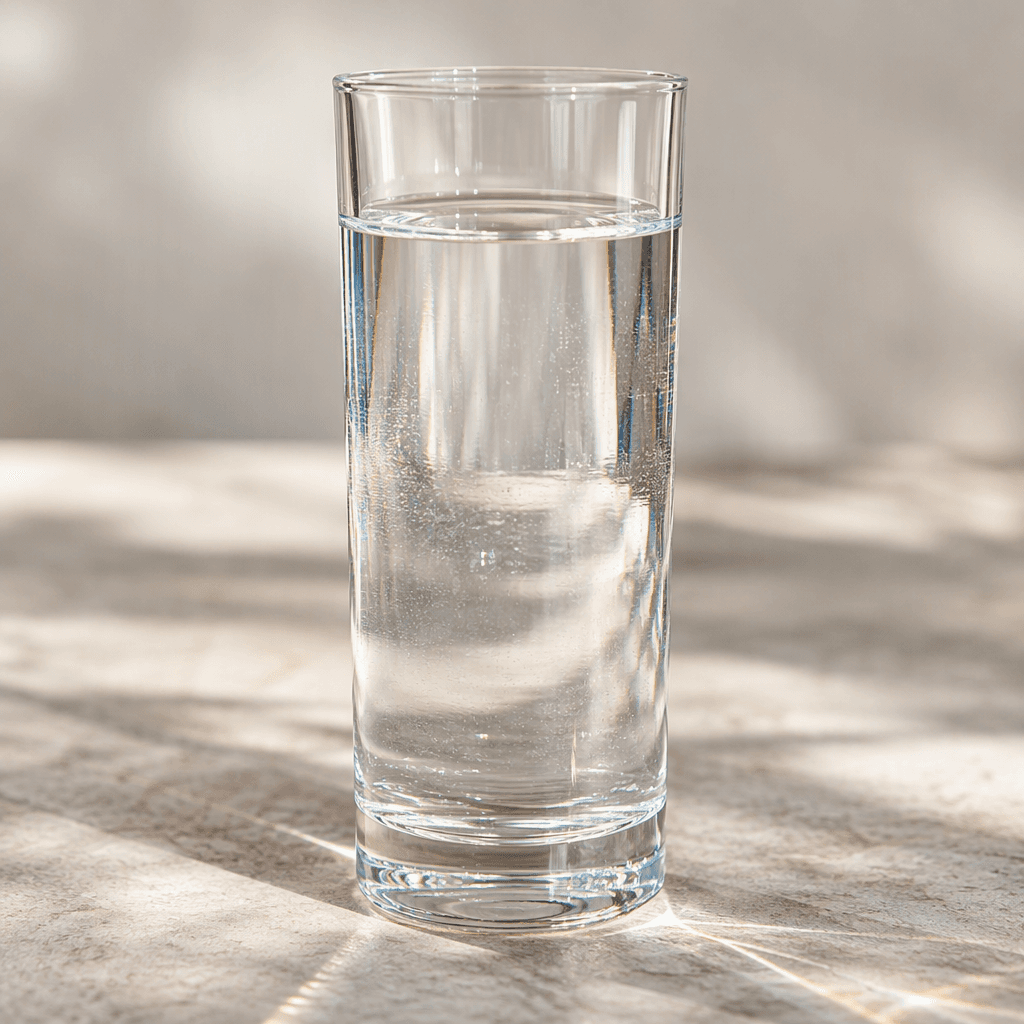
Double raki Calories
High alcohol, anise-flavored, double serving
In season: Spring · Summer · Autumn · Winter
CALORIES
GI
POTASSIUM
FIBER
Quick answer
100 g of Double raki has 250 calories. It contains 0.5 g of carbs, 0 g of protein, 0 g of fat and 0 g of fiber. Its glycemic index is 0 (low), so it raises blood sugar slowly.
What is Double raki?
Double raki is a two-measure serving of rakı, Turkey’s anise-scented distilled spirit, traditionally made from grape-based alcohol. Adding water turns it cloudy, a familiar sight at a rakı table.
In Turkey, it is sipped slowly alongside small meze dishes, often with fish and lively conversation; water is commonly served too. Its energy comes chiefly from alcohol, with virtually no protein, fat or fibre. If you want a lighter occasion, choose a single measure and alternate with water or a non-alcoholic drink.
Double raki Nutrition Facts
Selected: 100 g
250
KCAL / 100G
Carbs
0.5g
· 0% DV
Protein
0g
· 0% DV
Fat
0g
· 0% DV
Fiber
0g
· 0% DV
DV is the share of the daily value covered, on a 2,000 kcal reference diet.
Calories come from: Carbs 100% · Protein 0% · Fat 0%
Double raki Vitamins & Minerals
Vitamins
Vitamin A
0µg · 0% DV
B1
0mg · 0% DV
B2
0mg · 0% DV
B3
0mg · 0% DV
Minerals
Calcium
1mg · 0% DV
Iron
0mg · 0% DV
Magnesium
1mg · 0% DV
Zinc
0mg · 0% DV
How Nutritious Is Double raki?
Nutrient density
Low
How many vitamins, minerals and how much fiber this food carries per calorie. A high score means a lot of nutrition for few calories.
Satiety score
Low
An EatBetter score computed from fiber, protein and calorie density. A high score means staying full longer on the same calories.
Both scores are calculated per 100 g and do not change with the selected portion. The satiety score is EatBetter's own calculation, not a clinical measure.
Double raki Glycemic Index
GLYCEMIC INDEX
GLYCEMIC LOAD
Accounts for portion size — a more realistic measure than GI alone.
How to Burn Off Double raki
To burn the 250 calories in 100 g:
🚶
Walking (5 km/h)
🏃
Running (8 km/h)
🚴
Cycling
🏊
Swimming
Times are calculated with the MET equation for a 70 kg adult. Actual burn varies with your weight, age and pace.
Is Double raki Processed?
NOVA 3
Processed
1. Unprocessed
2. Minimally Processed
3. Processed
4. Ultra-Processed
NOVA classifies foods into 4 groups by industrial processing. NOVA 1 (unprocessed) is the healthiest.
Does Double raki Contain Allergens?
No known major allergens
Which Diets Is Double raki Good For?
Vegan
✓ Suitable
Vegetarian
✓ Suitable
Gluten-Free
✓ Suitable
Dairy-Free
— Not suitable
Mediterranean
✓ Suitable
Paleo
— Not suitable
Whole30
— Not suitable
DASH
— Not suitable
Keto
— Not suitable
Low FODMAP
— Not suitable
Double raki Fat Profile
SATURATED
0g
MONOUNSATURATED
0g
POLYUNSATURATED
0g
Compare Double raki
Foods Similar to Double raki
Frequently Asked Questions About Double raki
What is double raki?
Double raki is a larger serving of raki, the anise-flavoured spirit traditionally associated with Turkey. “Double” describes the pour, not a different recipe or a stronger concentration; the actual serving size can vary from one bar or restaurant to another.
How do you drink double raki?
Double raki is usually sipped slowly, often with water served alongside or mixed in to soften its flavour. It is commonly enjoyed with food and conversation rather than taken as a quick shot. Drinking it slowly does not remove alcohol’s effects.
Why does double raki turn cloudy when you add water?
Double raki turns cloudy because adding water makes some of the anise oils less soluble, so they form tiny droplets throughout the drink. This familiar milky appearance is a normal reaction, not a sign that the raki has spoiled.
What food goes well with double raki?
Double raki is often paired with meze such as olives, cheese, seafood, and vegetable dishes. These small plates suit its anise flavour and make a more substantial meal than drinking on its own, but food does not prevent alcohol impairment.
How much is a double serving of raki?
There is no single serving volume used everywhere for double raki; bars and restaurants may use different measures. Ask the server how much they pour if you need to know the serving size, since the word “double” alone does not specify an exact amount.
Is double raki the same as ouzo?
No, double raki is not the same drink as ouzo. Both are anise-flavoured spirits, but they belong to different regional traditions and may be made differently. “Double” refers to the size of a raki serving, not a style shared with ouzo.
Should you add ice to double raki?
You can add ice to double raki, but many people serve water separately or add water before the ice. Ice can chill the drink and then dilute it as it melts, so adding it gradually helps you control the flavour.
Does double raki taste strongly of anise?
Yes, anise is a defining flavour in raki, giving double raki its distinctive aromatic, liquorice-like taste. The perceived intensity can vary with the brand and with how much water you add; dilution softens the flavour but does not change the drink’s alcohol content.
Can double raki affect your sleep?
Yes, double raki can make you feel sleepy at first, but alcohol can also disrupt sleep later in the night. Avoid drinking it close to bedtime if you want more restful sleep; drinking water does not cancel alcohol’s effects.
Can you drive after drinking double raki?
No—do not drive after drinking double raki. Alcohol can impair coordination, judgement, and reaction time even if you feel normal. Arrange a sober driver or another way home rather than trying to judge your fitness to drive.
Have another question about Double raki?
Ask the AI nutrition coach — calories, portions, alternatives and more, answered in seconds in the app.

Scan calories with your camera
Instant AI nutrition analysis

Nutrition data compiled from USDA FoodData Central and scientific sources.