

Ready & Packaged Foods
All →Vegetables & Legumes
All →Desserts & Confectionery
All →Meat & Protein
All →Grains & Bakery
All →Beverages
All →Milk & Dairy
All →

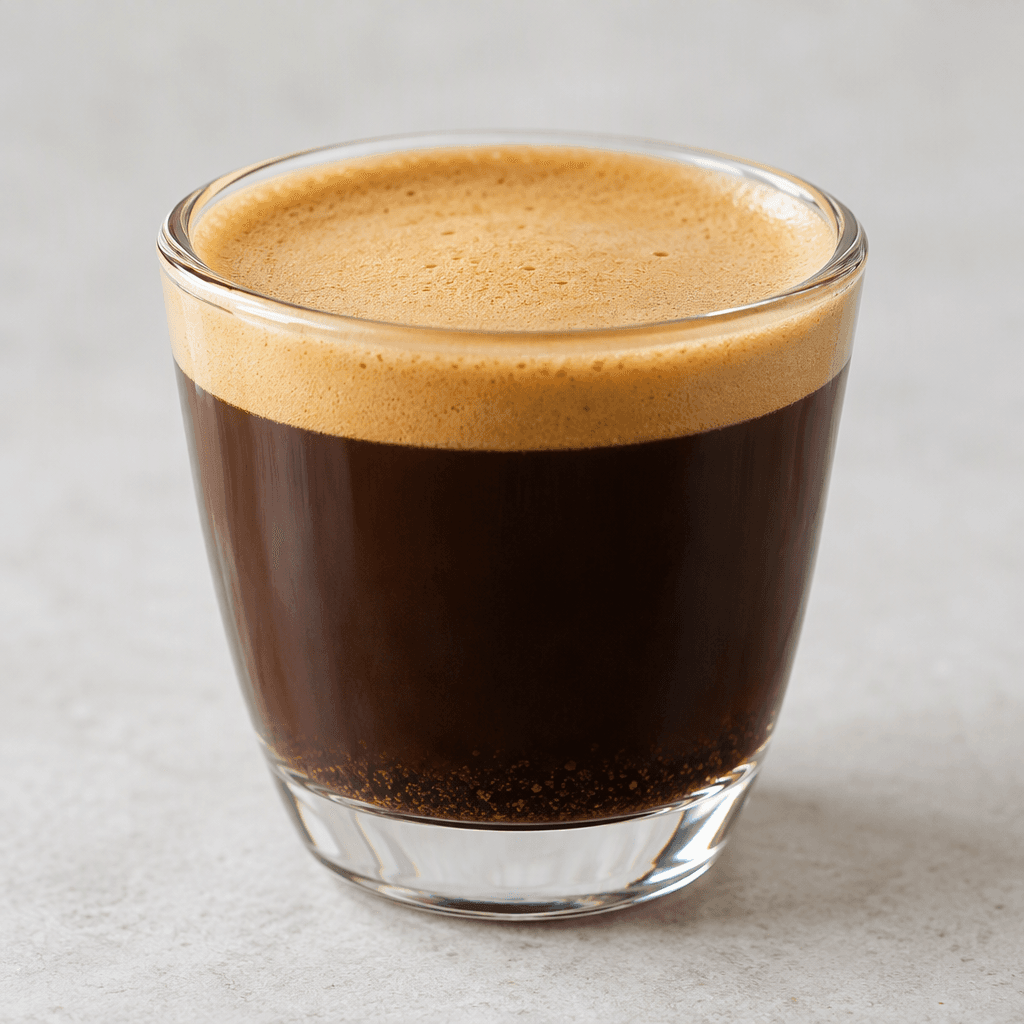
Plain Dibek Coffee Calories
Traditional stone-milled, plain, aromatic Turkish-style coffee
In season: Spring · Summer · Autumn · Winter
CALORIES
GI
POTASSIUM
FIBER
Quick answer
1 cup (small) of Plain Dibek Coffee (60 g) has 12 calories. That works out to 20 calories per 100 g. It contains 1.8 g of carbs, 1.3 g of protein, 0.2 g of fat and 1.1 g of fiber. Its 6 mg of B3 covers 38% of the Daily Value. Its glycemic index is 0 (low), so it raises blood sugar slowly.
What is Plain Dibek Coffee?
Plain Dibek Coffee is a Turkish-style coffee traditionally made by pounding beans in a dibek, a mortar, to produce a fine grind. “Plain” means it is served without sugar or added flavourings, so the coffee itself supplies its aroma and taste.
It is brewed slowly and served in a small cup with its foam intact; the fine grounds settle at the bottom and are left behind. In Turkey, it is often accompanied by a glass of water and a small sweet, and shared after a meal or with visitors. Its character is aromatic and full-bodied, but it is not a substantial source of nutrients. For a lighter cup, enjoy it without sugar; water alongside helps balance its lingering intensity.
Plain Dibek Coffee Nutrition Facts
Selected: 100 g
20
KCAL / 100G
Carbs
3g
· 1% DV
Protein
2.1g
· 4% DV
Fat
0.3g
· 0% DV
Fiber
1.8g
· 6% DV
DV is the share of the daily value covered, on a 2,000 kcal reference diet.
Calories come from: Carbs 52% · Protein 36% · Fat 12%
Plain Dibek Coffee Vitamins & Minerals
Vitamins
B3
10mg · 63% DV
B2
0.3mg · 23% DV
B5
0.6mg · 12% DV
B1
0.03mg · 3% DV
Minerals
Manganese
1mg · 43% DV
Magnesium
80mg · 19% DV
Potassium ⭐
160mg · 5% DV
Calcium
50mg · 5% DV
How Nutritious Is Plain Dibek Coffee?
Nutrient density
Low
How many vitamins, minerals and how much fiber this food carries per calorie. A high score means a lot of nutrition for few calories.
Satiety score
Medium
An EatBetter score computed from fiber, protein and calorie density. A high score means staying full longer on the same calories.
Both scores are calculated per 100 g and do not change with the selected portion. The satiety score is EatBetter's own calculation, not a clinical measure.
Plain Dibek Coffee Glycemic Index
GLYCEMIC INDEX
GLYCEMIC LOAD
Accounts for portion size — a more realistic measure than GI alone.
How to Burn Off Plain Dibek Coffee
To burn the 20 calories in 100 g:
🚶
Walking (5 km/h)
🏃
Running (8 km/h)
🚴
Cycling
🏊
Swimming
Times are calculated with the MET equation for a 70 kg adult. Actual burn varies with your weight, age and pace.
Is Plain Dibek Coffee Processed?
NOVA 2
Minimally Processed
1. Unprocessed
2. Minimally Processed
3. Processed
4. Ultra-Processed
NOVA classifies foods into 4 groups by industrial processing. NOVA 1 (unprocessed) is the healthiest.
Does Plain Dibek Coffee Contain Allergens?
No known major allergens
Which Diets Is Plain Dibek Coffee Good For?
Vegan
✓ Suitable
Vegetarian
✓ Suitable
Gluten-Free
✓ Suitable
Dairy-Free
— Not suitable
Mediterranean
✓ Suitable
Paleo
✓ Suitable
Whole30
— Not suitable
DASH
— Not suitable
Keto
— Not suitable
Low FODMAP
— Not suitable
Plain Dibek Coffee Fat Profile
SATURATED
0.07g
MONOUNSATURATED
0.09g
POLYUNSATURATED
0.08g
Omega 6:3 ratio 2:1
Below the ideal 4:1 — a good omega balance.
Compare Plain Dibek Coffee
Foods Similar to Plain Dibek Coffee
Frequently Asked Questions About Plain Dibek Coffee
What is plain dibek coffee?
Plain dibek coffee is Turkish-style coffee traditionally made from beans pounded in a dibek, a large mortar. “Dibek” describes the grinding method, not a separate coffee bean; the plain version is served without added flavorings.
How do you make plain dibek coffee?
Make plain dibek coffee in a cezve by mixing it with water and heating it gently until foam begins to rise. Pour before it boils over. Because the grind can vary, follow the preparation directions supplied with your coffee if available.
Is plain dibek coffee the same as Turkish coffee?
No. Plain dibek coffee is associated with coffee pounded in a mortar, while Turkish coffee is usually ground very finely in a mill. Both are brewed unfiltered in a cezve and served with their grounds, but their texture can differ.
Does plain dibek coffee contain caffeine?
Yes, plain dibek coffee contains caffeine because it is made from coffee beans. Pounding the beans does not remove caffeine. If caffeine affects your sleep or makes you feel jittery, avoid drinking it late in the day.
Why does plain dibek coffee leave grounds in the cup?
Plain dibek coffee leaves grounds because it is brewed and served unfiltered. Let the grounds settle before drinking, and leave the last sip if you do not want the sediment in your mouth.
Can you make plain dibek coffee with milk?
Yes, you can prepare plain dibek coffee with milk, although water is the traditional base for Turkish-style coffee. Milk changes its flavor and foam, so heat it gently in the cezve and watch closely to prevent it from boiling over.
Is plain dibek coffee supposed to be sweet?
No, plain dibek coffee is not sweetened unless you add sugar. “Plain” means it is served without added flavorings or sweetener; add sugar to your preference while preparing it if you want a sweeter cup.
Can you use plain dibek coffee in a drip coffee maker?
Usually, plain dibek coffee is intended for cezve preparation, not a drip machine. Its grind may be too fine or otherwise unsuitable for a paper filter, so use coffee ground for drip brewing if you want to use that method.
How should you store plain dibek coffee?
Store plain dibek coffee in an airtight container in a cool, dry place away from light and heat. Ground coffee loses its aroma faster than whole beans, so close the container promptly after each use.
Can you drink plain dibek coffee during pregnancy?
Yes, plain dibek coffee can be part of pregnancy if you stay within the recommended daily caffeine limit and count caffeine from other drinks too. Ask your clinician for guidance if you have a pregnancy-related health concern or questions about your caffeine intake.
Have another question about Plain Dibek Coffee?
Ask the AI nutrition coach — calories, portions, alternatives and more, answered in seconds in the app.

Scan calories with your camera
Instant AI nutrition analysis

Nutrition data compiled from USDA FoodData Central and scientific sources.