

Ready & Packaged Foods
All →Vegetables & Legumes
All →Desserts & Confectionery
All →Meat & Protein
All →Grains & Bakery
All →Beverages
All →Milk & Dairy
All →

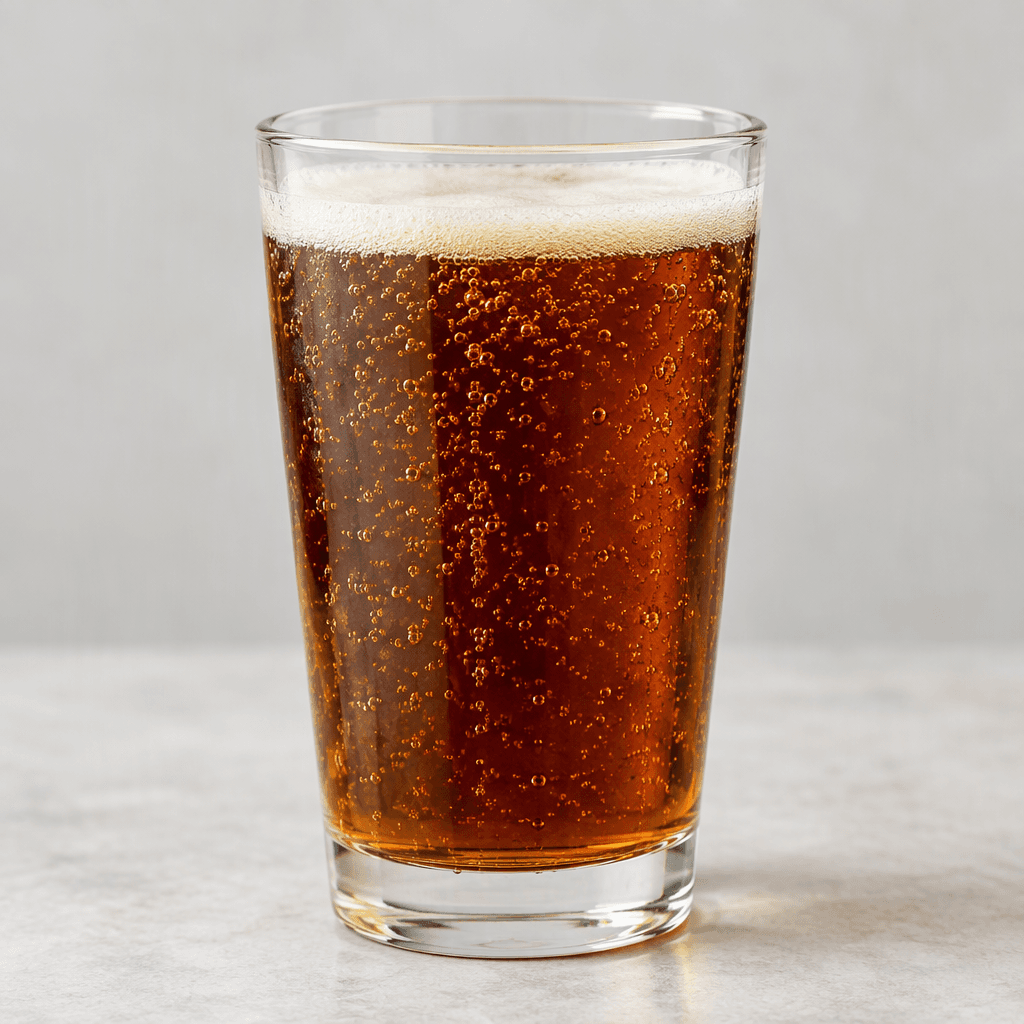
Cola (Zero Sugar) Calories
Sugar-free, low calorie, popular carbonated drink
CALORIES
GI
POTASSIUM
FIBER
Quick answer
1 can (medium) of Cola (Zero Sugar) (330 g) has 2 calories. That works out to 1 calories per 100 g. It contains 0.3 g of carbs, 0 g of protein, 0 g of fat and 0 g of fiber. Its glycemic index is 0 (low), so it raises blood sugar slowly.
What is Cola (Zero Sugar)?
Cola (Zero Sugar) is a dark, fizzy cola drink made to resemble regular cola, with sweeteners used in place of sugar. Served chilled, it has a familiar sweet, lightly tangy flavour and lively bubbles. It is commonly enjoyed with fast food, snacks or a casual meal; pour it over ice if you like, or add a slice of lemon for a fresh note.
It contains no sugar and has very little energy—about 0.5 calories per 100 g. That makes it an option for people who enjoy sweet carbonated drinks but want to avoid sugar. For a more balanced pairing, have it with a sandwich or a savoury snack rather than making it the centre of a meal.
Cola (Zero Sugar) Nutrition Facts
Selected: 100 g
1
KCAL / 100G
Carbs
0.1g
· 0% DV
Protein
0g
· 0% DV
Fat
0g
· 0% DV
Fiber
0g
· 0% DV
DV is the share of the daily value covered, on a 2,000 kcal reference diet.
Calories come from: Carbs 100% · Protein 0% · Fat 0%
Cola (Zero Sugar) Vitamins & Minerals
Vitamins
Vitamin A
0µg · 0% DV
B1
0mg · 0% DV
B2
0mg · 0% DV
B3
0mg · 0% DV
Minerals
Calcium
2mg · 0% DV
Iron
0mg · 0% DV
Magnesium
1mg · 0% DV
Zinc
0mg · 0% DV
How Nutritious Is Cola (Zero Sugar)?
Nutrient density
Low
How many vitamins, minerals and how much fiber this food carries per calorie. A high score means a lot of nutrition for few calories.
Satiety score
Medium
An EatBetter score computed from fiber, protein and calorie density. A high score means staying full longer on the same calories.
Both scores are calculated per 100 g and do not change with the selected portion. The satiety score is EatBetter's own calculation, not a clinical measure.
Cola (Zero Sugar) Glycemic Index
GLYCEMIC INDEX
GLYCEMIC LOAD
Accounts for portion size — a more realistic measure than GI alone.
How to Burn Off Cola (Zero Sugar)
To burn the 1 calories in 100 g:
🚶
Walking (5 km/h)
🏃
Running (8 km/h)
🚴
Cycling
🏊
Swimming
Times are calculated with the MET equation for a 70 kg adult. Actual burn varies with your weight, age and pace.
Is Cola (Zero Sugar) Processed?
NOVA 4
Ultra-Processed
1. Unprocessed
2. Minimally Processed
3. Processed
4. Ultra-Processed
NOVA classifies foods into 4 groups by industrial processing. NOVA 1 (unprocessed) is the healthiest.
Does Cola (Zero Sugar) Contain Allergens?
No known major allergens
Which Diets Is Cola (Zero Sugar) Good For?
Vegan
✓ Suitable
Vegetarian
✓ Suitable
Gluten-Free
✓ Suitable
Dairy-Free
— Not suitable
Mediterranean
✓ Suitable
Paleo
✓ Suitable
Whole30
— Not suitable
DASH
— Not suitable
Keto
— Not suitable
Low FODMAP
— Not suitable
Cola (Zero Sugar) Fat Profile
SATURATED
0g
MONOUNSATURATED
0g
POLYUNSATURATED
0g
Compare Cola (Zero Sugar)
Foods Similar to Cola (Zero Sugar)
Frequently Asked Questions About Cola (Zero Sugar)
Does cola (zero sugar) contain caffeine?
Most standard cola (zero sugar) products contain caffeine, although caffeine-free versions are available. The amount varies by brand and product, so check the ingredients and nutrition information on the can.
Does cola (zero sugar) contain aspartame?
Some cola (zero sugar) products use aspartame, while others use different sweeteners or a blend. The recipe varies by brand and market, so read the ingredient list if you want to avoid a particular sweetener.
Is cola (zero sugar) better than regular cola?
Cola (zero sugar) avoids the sugar found in regular cola, which can make it a useful substitute if you are trying to cut back on sugary drinks. It is still acidic, and many versions contain caffeine.
Can cola (zero sugar) help you lose weight?
It can help reduce sugar and energy intake if it replaces regular cola, but it does not cause weight loss by itself. The benefit comes from making that substitution consistently rather than adding it to your usual drinks.
Does cola (zero sugar) damage your teeth?
Yes, its acidity can erode tooth enamel even though it contains no sugar. Choosing it over sugary cola may lower the risk of cavities, but sipping it frequently still exposes teeth to acid.
Does cola (zero sugar) affect sleep?
Yes, caffeinated cola (zero sugar) can make it harder to fall asleep or reduce sleep quality, especially when you drink it later in the day. Choose a caffeine-free version if caffeine affects your sleep.
Does cola (zero sugar) hydrate you?
Yes, it contributes fluid, but water is a better everyday drink. Caffeinated cola still counts toward fluid intake for most people, yet relying on it can displace water and add acidity to your routine.
Can you drink cola (zero sugar) while pregnant?
Often, but check whether it contains caffeine and keep your total caffeine intake within pregnancy guidance. Sweetener recommendations can also vary by person, so ask your maternity clinician if you have a specific concern.
Does cola (zero sugar) cause bloating?
It can; carbonation may build up gas and cause belching or a bloated feeling. If cola (zero sugar) reliably bothers your stomach, try drinking less, sipping it more slowly, or choosing a still drink.
Does cola (zero sugar) break an intermittent fast?
It depends on what you count as breaking a fast: it contains almost no energy, but its sweet taste may not fit every fasting plan. For a strict fast, stick with water or another explicitly permitted drink.
Have another question about Cola (Zero Sugar)?
Ask the AI nutrition coach — calories, portions, alternatives and more, answered in seconds in the app.

Scan calories with your camera
Instant AI nutrition analysis

Nutrition data compiled from USDA FoodData Central and scientific sources.