

Ready & Packaged Foods
All →Vegetables & Legumes
All →Desserts & Confectionery
All →Meat & Protein
All →Grains & Bakery
All →Beverages
All →Milk & Dairy
All →

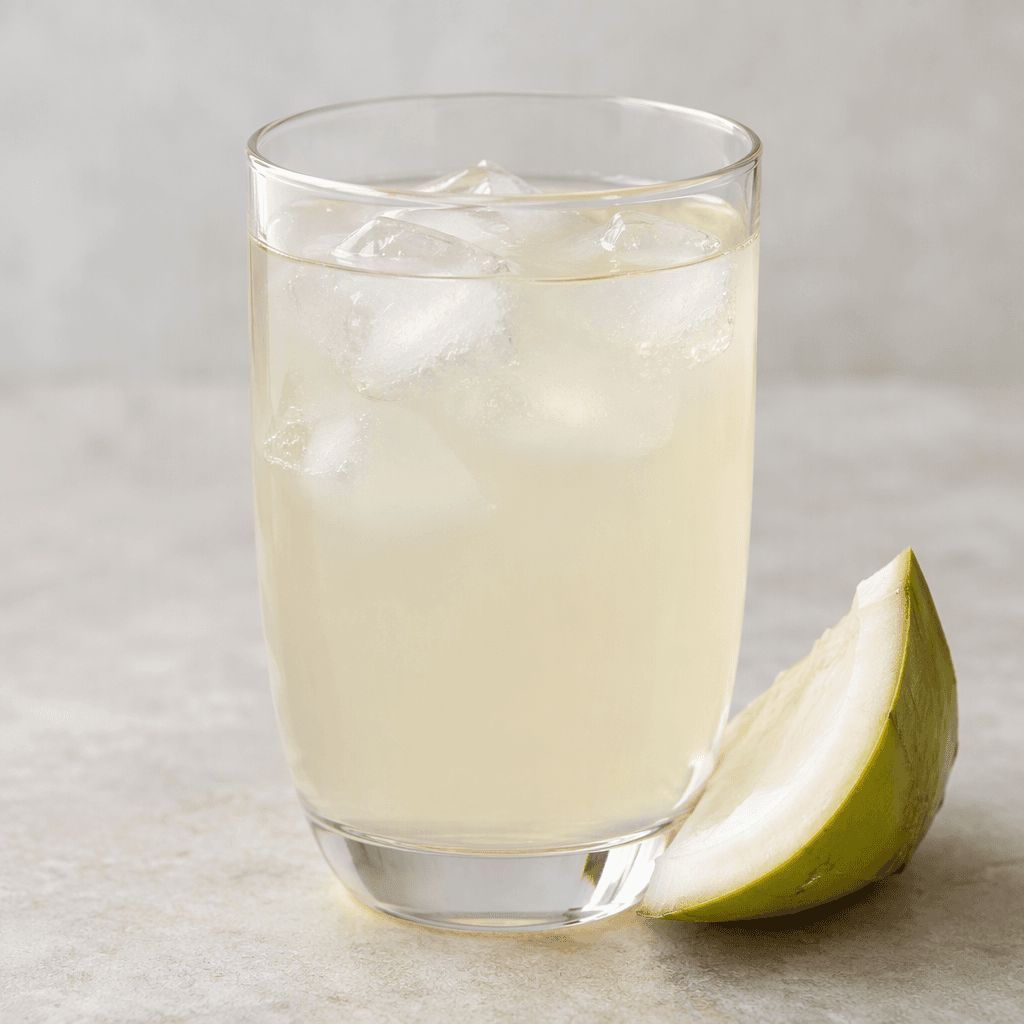
Coconut Water Calories
Natural electrolyte source, low calorie, refreshing drink
In season: Spring · Summer · Autumn · Winter
CALORIES
GI
POTASSIUM
FIBER
Quick answer
1 cup (medium) of Coconut Water (240 g) has 46 calories. That works out to 19 calories per 100 g. It contains 8.9 g of carbs, 1.7 g of protein, 0.5 g of fat and 2.6 g of fiber. Its 600 mg of Potassium covers 18% of the Daily Value. Its glycemic index is 54 (low), so it raises blood sugar slowly.
What is Coconut Water?
Coconut Water is the clear liquid found inside a young, green coconut, not a drink made by blending coconut flesh with water. It is enjoyed fresh in tropical regions and is also sold bottled or carton-packed around the world. Its texture is light and slightly silky, with a gentle sweetness that varies with the coconut.
Drink it chilled on its own, pour it into a smoothie, or serve it alongside a meal as a refreshing alternative to a fizzy drink. It contains naturally occurring electrolytes and is relatively low in calories, at 19 per 100 g. For a more filling snack, pair it with yoghurt or fruit, and check the label if you prefer a version without added sugar.
Coconut Water Nutrition Facts
Selected: 100 g
19
KCAL / 100G
Carbs
3.7g
· 1% DV
Protein
0.7g
· 1% DV
Fat
0.2g
· 0% DV
Fiber
1.1g
· 4% DV
DV is the share of the daily value covered, on a 2,000 kcal reference diet.
Calories come from: Carbs 76% · Protein 14% · Fat 10%
Coconut Water Vitamins & Minerals
Vitamins
B2
0.06mg · 5% DV
Vitamin C
2.4mg · 3% DV
B1
0.03mg · 3% DV
B6
0.03mg · 2% DV
Minerals
Potassium ⭐
250mg · 7% DV
Magnesium
25mg · 6% DV
Sodium
105mg · 5% DV
Phosphorus
20mg · 3% DV
How Nutritious Is Coconut Water?
Nutrient density
Medium
How many vitamins, minerals and how much fiber this food carries per calorie. A high score means a lot of nutrition for few calories.
Satiety score
Medium
An EatBetter score computed from fiber, protein and calorie density. A high score means staying full longer on the same calories.
Both scores are calculated per 100 g and do not change with the selected portion. The satiety score is EatBetter's own calculation, not a clinical measure.
Coconut Water Glycemic Index
GLYCEMIC INDEX
GLYCEMIC LOAD
Accounts for portion size — a more realistic measure than GI alone.
How to Burn Off Coconut Water
To burn the 19 calories in 100 g:
🚶
Walking (5 km/h)
🏃
Running (8 km/h)
🚴
Cycling
🏊
Swimming
Times are calculated with the MET equation for a 70 kg adult. Actual burn varies with your weight, age and pace.
Is Coconut Water Processed?
NOVA 1
Unprocessed
1. Unprocessed
2. Minimally Processed
3. Processed
4. Ultra-Processed
NOVA classifies foods into 4 groups by industrial processing. NOVA 1 (unprocessed) is the healthiest.
Does Coconut Water Contain Allergens?
No known major allergens
Which Diets Is Coconut Water Good For?
Vegan
✓ Suitable
Vegetarian
✓ Suitable
Gluten-Free
✓ Suitable
Dairy-Free
— Not suitable
Mediterranean
✓ Suitable
Paleo
✓ Suitable
Whole30
— Not suitable
DASH
— Not suitable
Keto
— Not suitable
Low FODMAP
— Not suitable
Coconut Water Fat Profile
SATURATED
0.17g
MONOUNSATURATED
0.01g
POLYUNSATURATED
0.01g
Compare Coconut Water
Foods Similar to Coconut Water
Frequently Asked Questions About Coconut Water
What is coconut water?
Coconut water is the naturally occurring liquid inside a coconut, especially a young green one. It is not coconut milk, which is made by processing coconut flesh with water and has a richer, creamier texture.
Is coconut water good for hydration?
Yes, coconut water contributes to fluid intake and contains electrolytes, including potassium. For everyday thirst, though, plain water works well; coconut water is an option rather than a necessary replacement for water.
Can coconut water replace a sports drink?
Sometimes, but not always. Coconut water can suit light activity, while prolonged, intense exercise may require more sodium than it provides. For demanding workouts, choose a drink that matches the fluid and electrolyte losses involved.
Does coconut water have more potassium than a banana?
Coconut water can provide potassium, but whether it contains more than a banana depends on the amounts being compared and the product. Compare equivalent serving sizes rather than assuming a glass is automatically a richer source.
Can coconut water help with a hangover?
Coconut water may help replace some fluids, but it is not a proven hangover cure. It does not speed alcohol clearance or reliably prevent symptoms; drinking water and allowing time for recovery are more dependable steps.
Is coconut water safe to drink during pregnancy?
Coconut water is generally an ordinary beverage during pregnancy when handled and stored safely. Choose sealed, pasteurized products when fresh handling is uncertain, and ask your clinician if you have a pregnancy-related condition that affects your fluid or mineral intake.
Can people with kidney stones drink coconut water?
It depends on the type of kidney stone and your potassium needs. Coconut water contains potassium, and advice can differ for people with kidney disease or certain stone risks, so ask your clinician which amount is appropriate for you.
How can you tell if a coconut is good for drinking coconut water?
Choose a green coconut that feels heavy for its size and has no cracks, mold, or leaking spots. A sloshing sound can indicate liquid inside, but the amount and taste vary with the coconut’s age and variety.
How long does coconut water last after opening?
Refrigerate opened coconut water promptly in a closed container and follow the package’s storage instructions. Fresh coconut water spoils quickly, so do not leave it at room temperature for an extended period or drink it if its smell or appearance has changed.
Can you freeze coconut water?
Yes, you can freeze coconut water in a freezer-safe container, leaving space for expansion. Thaw it in the refrigerator and stir before drinking, since freezing can change its texture or make it separate slightly.
Have another question about Coconut Water?
Ask the AI nutrition coach — calories, portions, alternatives and more, answered in seconds in the app.

Scan calories with your camera
Instant AI nutrition analysis

Nutrition data compiled from USDA FoodData Central and scientific sources.