

Ready & Packaged Foods
All →Vegetables & Legumes
All →Desserts & Confectionery
All →Meat & Protein
All →Grains & Bakery
All →Beverages
All →Milk & Dairy
All →

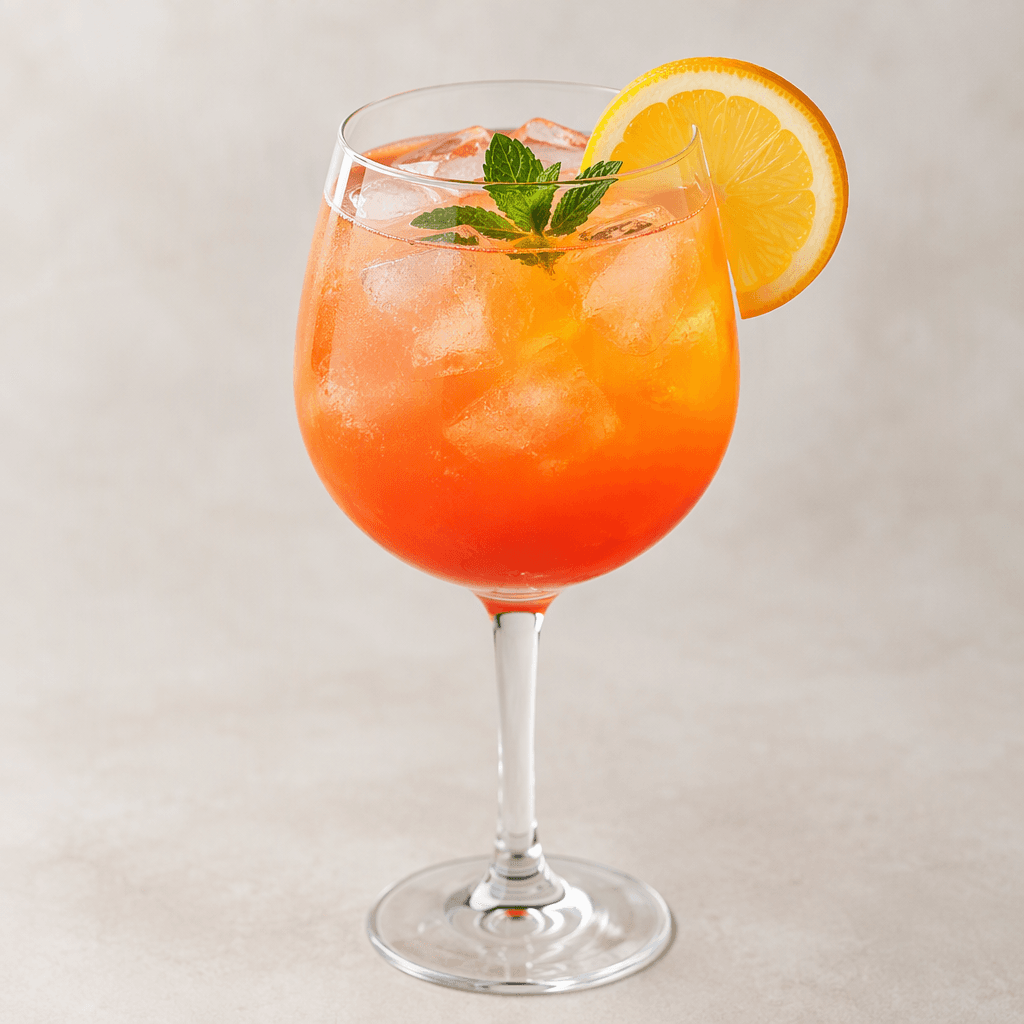
Cocktail Calories
Alcoholic mixed drink
In season: Spring · Summer · Autumn · Winter
CALORIES
GI
POTASSIUM
FIBER
Quick answer
1 cup (medium) of Cocktail (150 g) has 180 calories. That works out to 120 calories per 100 g. It contains 15 g of carbs, 0 g of protein, 0 g of fat and 0 g of fiber. Its glycemic index is 65 (medium), so it raises blood sugar at a moderate pace.
What is Cocktail?
A cocktail is a mixed alcoholic drink, usually made with a spirit such as gin, vodka or rum and combined with ingredients like juice, syrup, soda or bitters. There is no single recipe or place of origin: the name covers many drinks, from simple highballs to carefully layered bar creations.
Cocktails are commonly served chilled over ice, often with a citrus slice or another small garnish. Around the world, people order them at bars and restaurants or make them for gatherings; flavours range from sweet and fruity to dry and bitter. Their nutritional character depends on the recipe, with calories coming largely from alcohol and added mixers; this one provides 10 g of carbohydrates per 100 g. For a lighter mix, use less syrup and add soda water and fresh citrus.
Cocktail Nutrition Facts
Selected: 100 g
120
KCAL / 100G
Carbs
10g
· 4% DV
Protein
0g
· 0% DV
Fat
0g
· 0% DV
Fiber
0g
· 0% DV
DV is the share of the daily value covered, on a 2,000 kcal reference diet.
Calories come from: Carbs 100% · Protein 0% · Fat 0%
Cocktail Vitamins & Minerals
Vitamins
B1
0.01mg · 1% DV
B2
0.01mg · 1% DV
B6
0.01mg · 1% DV
Vitamin C
1mg · 1% DV
Minerals
Calcium
5mg · 1% DV
Iron
0mg · 0% DV
Magnesium
2mg · 0% DV
Zinc
0mg · 0% DV
How Nutritious Is Cocktail?
Nutrient density
Low
How many vitamins, minerals and how much fiber this food carries per calorie. A high score means a lot of nutrition for few calories.
Satiety score
Low
An EatBetter score computed from fiber, protein and calorie density. A high score means staying full longer on the same calories.
Both scores are calculated per 100 g and do not change with the selected portion. The satiety score is EatBetter's own calculation, not a clinical measure.
Cocktail Glycemic Index
GLYCEMIC INDEX
GLYCEMIC LOAD
Accounts for portion size — a more realistic measure than GI alone.
How to Burn Off Cocktail
To burn the 120 calories in 100 g:
🚶
Walking (5 km/h)
🏃
Running (8 km/h)
🚴
Cycling
🏊
Swimming
Times are calculated with the MET equation for a 70 kg adult. Actual burn varies with your weight, age and pace.
Is Cocktail Processed?
NOVA 3
Processed
1. Unprocessed
2. Minimally Processed
3. Processed
4. Ultra-Processed
NOVA classifies foods into 4 groups by industrial processing. NOVA 1 (unprocessed) is the healthiest.
Does Cocktail Contain Allergens?
No known major allergens
Which Diets Is Cocktail Good For?
Vegan
✓ Suitable
Vegetarian
✓ Suitable
Gluten-Free
— Not suitable
Dairy-Free
— Not suitable
Mediterranean
— Not suitable
Paleo
— Not suitable
Whole30
— Not suitable
DASH
— Not suitable
Keto
— Not suitable
Low FODMAP
— Not suitable
Cocktail Fat Profile
SATURATED
0g
MONOUNSATURATED
0g
POLYUNSATURATED
0g
Compare Cocktail
Foods Similar to Cocktail
Frequently Asked Questions About Cocktail
What makes a cocktail a cocktail?
A cocktail is a mixed drink made with an alcoholic spirit and other ingredients such as juice, bitters, syrup, or soda. Recipes vary widely, and some cocktails combine more than one spirit.
How do you balance a cocktail?
A well-balanced cocktail brings its strong, sweet, sour, and sometimes bitter flavors into harmony. Taste the mixture and adjust gradually: citrus can brighten a drink, while a small amount of syrup can soften sharp acidity.
Why do cocktails have bitters?
Bitters add concentrated herbal, spice, or citrus notes that give a cocktail more complexity. They are used in small dashes, not as a main ingredient, and can help balance the sweetness of drinks such as an Old Fashioned.
When should you shake a cocktail instead of stirring it?
Shake a cocktail when it contains ingredients such as citrus juice, cream, or egg white that need to combine thoroughly or develop foam. Stir spirit-forward cocktails without those ingredients to chill them while keeping them clear and smooth.
Does ice make a cocktail weaker?
Yes, melting ice dilutes a cocktail, lowering the concentration of alcohol in each sip while cooling the drink. The change is part of many recipes; large, solid cubes usually melt more slowly than small or crushed ice.
How can you make a cocktail less sweet?
Make a cocktail less sweet by reducing the syrup or sweet liqueur and adding a little citrus juice if the recipe suits it. Change one ingredient at a time and taste as you go so the drink does not become overly sour.
What is the difference between a cocktail and a mixed drink?
The terms overlap: a cocktail is a type of mixed drink, usually combining an alcoholic spirit with other ingredients. In everyday use, people may call a simple spirit-and-soda a mixed drink and reserve cocktail for a more composed recipe.
How long does a cocktail last in the fridge?
A freshly mixed cocktail with citrus juice is best served promptly, since its flavor and freshness change during storage. Keep any leftover batch covered and refrigerated, and use extra care with recipes containing dairy or egg.
Can you make a cocktail without a shaker?
Yes, you can make a cocktail without a shaker by stirring it in a sturdy jar with a lid, then straining it into a glass. For a drink that needs a foamy texture, a proper shaker usually works better.
Why is a cocktail served with a garnish?
A cocktail garnish adds aroma and visual appeal, and it can contribute flavor when citrus peel, herbs, or fruit touches the drink. The garnish should suit the recipe rather than merely decorate the glass.
Have another question about Cocktail?
Ask the AI nutrition coach — calories, portions, alternatives and more, answered in seconds in the app.

Scan calories with your camera
Instant AI nutrition analysis

Nutrition data compiled from USDA FoodData Central and scientific sources.