

Ready & Packaged Foods
All →Vegetables & Legumes
All →Desserts & Confectionery
All →Meat & Protein
All →Grains & Bakery
All →Beverages
All →Milk & Dairy
All →

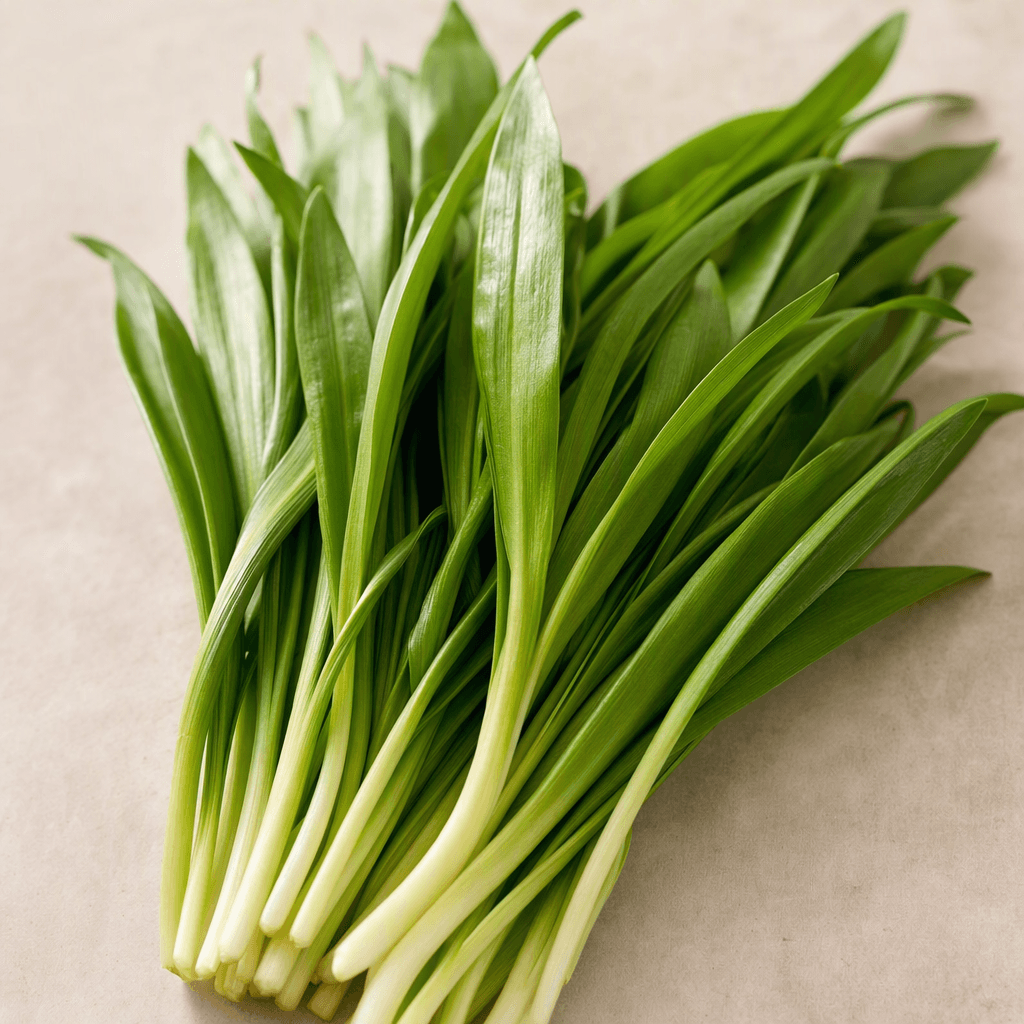
Circil Calories
Wild edible green, low in calories and rich in minerals
In season: Spring · Summer
CALORIES · 100 G
GI
POTASSIUM · 100 G
FIBER · 100 G
Quick answer
1 cup (chopped) of Circil (70 g) has 20 calories. That works out to 28 calories per 100 g. It contains 3 g of carbs, 1.8 g of protein, 0.3 g of fat and 2 g of fiber. Its 129.5 µg of Vitamin K covers 108% of the Daily Value. Its glycemic index is 15 (low), so it raises blood sugar slowly.
Circil Nutrition Facts
Selected: 1 cup (chopped) · 70 g
20
KCAL / 70G
Carbs
3g
· 1% DV
Protein
1.8g
· 4% DV
Fat
0.3g
· 0% DV
Fiber
2g
· 7% DV
DV is the share of the daily value covered, on a 2,000 kcal reference diet.
Calories come from: Carbs 55% · Protein 33% · Fat 12%
Circil nutrition facts table · 1 cup (chopped) (70 g)
| Nutrient | Amount | % DV |
|---|---|---|
| Calories | 20 kcal | |
| Total fat | 0.3 g | 0% |
| Saturated fat | 0.04 g | 0% |
| Trans fat | 0 g | |
| Sodium | 29 mg | 1% |
| Total carbohydrate | 3 g | 1% |
| Fiber | 2 g | 7% |
| Protein | 1.8 g | 4% |
Calories: Calories measure energy. Average daily need is 2,000 kcal. Excess calories are stored as fat, too few cause weight loss.
Carbs: Your body's primary energy source. The brain runs exclusively on carbs. Daily need: 275g.
Protein: Essential for muscle repair and cell growth. Daily need: 50g. Keeps you full and boosts metabolism.
Fat: Needed for hormone production and vitamin absorption. Daily need: 78g. Limit saturated fats, choose unsaturated.
Fiber: Critical for digestive health and satiety. Daily need: 28g. Stabilizes blood sugar, lowers cholesterol.

Log this food in EatBetter
100,000+ people use it
- Get your daily calorie target
- Snap your meal, log it in seconds
- See every vitamin and mineral

📸 Scan the code to get the app free.

How Many Calories in 1 Cup of Chopped Circil?
| Serving | Amount | Calories |
|---|---|---|
| 1 cup (chopped) | 70 g | 20 kcal |
| 1 piece (small) | 25 g | 7 kcal |
| 1 cup (shredded) | 35 g | 10 kcal |
| 1 piece (medium) | 60 g | 17 kcal |
| 1 serving (small) | 80 g | 22 kcal |
| 100 g | 100 g | 28 kcal |
| 1 serving (medium) | 150 g | 42 kcal |
| 1 serving (large) | 220 g | 62 kcal |
Calculated from 28 calories per 100 g.
Frequently Asked Questions About Circil
What does Circil taste like?
Circil is a wild leafy green, and its taste can vary with the plant and how young the leaves are. Treat it like other edible greens in the kitchen: taste a properly identified, cooked sample before deciding whether it needs a sharp or savory accompaniment.
How can you tell whether a wild Circil plant is safe to eat?
Only eat Circil when a knowledgeable local source has positively identified the plant. Wild greens can resemble inedible or toxic species, and the name Circil may refer to different plants in different places; a photo or common name alone is not enough.
How do you cook Circil without making it soggy?
Cook chopped Circil briefly in a hot pan rather than simmering it in excess water. Add it once aromatics are ready, stir until the leaves just soften, and uncover the pan if liquid collects so the greens do not stew.
Can Circil be used in a savory pie?
Yes, cooked Circil can be used as a filling for a savory pie. Soften and drain the chopped greens first, then combine them with the other filling ingredients; removing excess moisture helps keep the pastry from turning soggy.
Can you eat Circil raw in a salad?
Only if you are certain of the plant's identity and have washed the leaves thoroughly. Because Circil is a regional name for a wild green, do not use an unfamiliar foraged plant raw; cooking is a more cautious choice for a correctly identified edible green.
When is Circil in season?
Circil's season depends on the local climate and on which plant the regional name refers to. Ask a trusted local forager or grower when fresh leaves are available in your area, and avoid collecting greens from roadsides or places that may be contaminated.
How should you wash Circil to remove grit?
Separate the leaves and rinse them in a bowl of clean water, gently moving them so soil falls to the bottom. Lift the leaves out rather than pouring the gritty water over them, and repeat with fresh water until no sediment remains.
What can you use instead of Circil in a recipe?
Spinach, chard, or another mild leafy green can stand in for Circil in cooked dishes. Their texture and flavor will differ, so add them according to how quickly they soften and adjust seasonings after tasting.
How long does fresh Circil keep in the refrigerator?
Fresh Circil is best used soon after gathering or buying it. Store unwashed leaves loosely wrapped in a paper towel inside a bag in the refrigerator, and discard any leaves that become slimy, moldy, or unpleasant-smelling.
Can you preserve Circil by drying it?
Drying is possible, but Circil's delicate leaves may lose much of their fresh texture and are better suited to cooked dishes afterward. Use only clean, correctly identified leaves, dry them fully, and store them airtight away from heat and light.
Circil Vitamins & Minerals
Vitamins
Vitamin K
129.5µg · 108% DV
Vitamin A
217µg · 24% DV
Vitamin C
16.8mg · 19% DV
Folate
54.6µg · 14% DV
Minerals
Manganese
0.29mg · 13% DV
Iron
1.68mg · 9% DV
Copper
0.08mg · 9% DV
Calcium
84mg · 8% DV
Potassium ⭐
238mg · 7% DV
Sodium
29mg · 1% DV
Circil Glycemic Index
GLYCEMIC INDEX
GLYCEMIC LOAD
Accounts for portion size — a more realistic measure than GI alone.
How to Burn Off Circil
To burn the 20 calories in 1 cup (chopped) (70 g):
🚶
Walking (5 km/h)
🏃
Running (8 km/h)
🚴
Cycling
🏊
Swimming
Times are calculated with the MET equation for a 70 kg adult. Actual burn varies with your weight, age and pace.
What is Circil?
Circil is a wild edible green gathered seasonally in some parts of Turkey, where it is cooked and served as a vegetable. The name and the plant it refers to can vary by region, so local preparation traditions differ too. It is usually cleaned, chopped and briefly cooked. Its leafy texture softens in the pan, with a gently earthy, green flavour that works well with onion or egg, or alongside bread and yoghurt. Naturally low in calories, it also contributes fibre and minerals; 100 g provides 28 kcal. For a lighter serving, cook it with just a little oil.
How Nutritious Is Circil?
Nutrient density
Very high
How many vitamins, minerals and how much fiber this food carries per calorie. A high score means a lot of nutrition for few calories.
Satiety score
Medium
An EatBetter score computed from fiber, protein and calorie density. A high score means staying full longer on the same calories.
Both scores are calculated per 100 g and do not change with the selected portion. The satiety score is EatBetter's own calculation, not a clinical measure.
Is Circil Processed?
NOVA 1
Unprocessed
1. Unprocessed
2. Minimally Processed
3. Processed
4. Ultra-Processed
NOVA classifies foods into 4 groups by industrial processing. NOVA 1 (unprocessed) is the healthiest.
Does Circil Contain Allergens?
No known major allergens
Which Diets Is Circil Good For?
Vegan
✓ Suitable
Vegetarian
✓ Suitable
Gluten-Free
✓ Suitable
Dairy-Free
— Not suitable
Mediterranean
✓ Suitable
Paleo
✓ Suitable
Whole30
— Not suitable
DASH
— Not suitable
Keto
— Not suitable
Low FODMAP
— Not suitable
Circil Fat Profile
SATURATED
0.04g
MONOUNSATURATED
0.02g
POLYUNSATURATED
0.1g
Omega 6:3 ratio 0.5:1
Below the ideal 4:1 — a good omega balance.
Compare Circil
Foods Similar to Circil
Have another question about Circil?
Ask the AI nutrition coach — calories, portions, alternatives and more, answered in seconds in the app.

Scan calories with your camera
Instant AI nutrition analysis

Nutrition data compiled from USDA FoodData Central and scientific sources.