

Ready & Packaged Foods
All →Vegetables & Legumes
All →Desserts & Confectionery
All →Meat & Protein
All →Grains & Bakery
All →Beverages
All →Milk & Dairy
All →

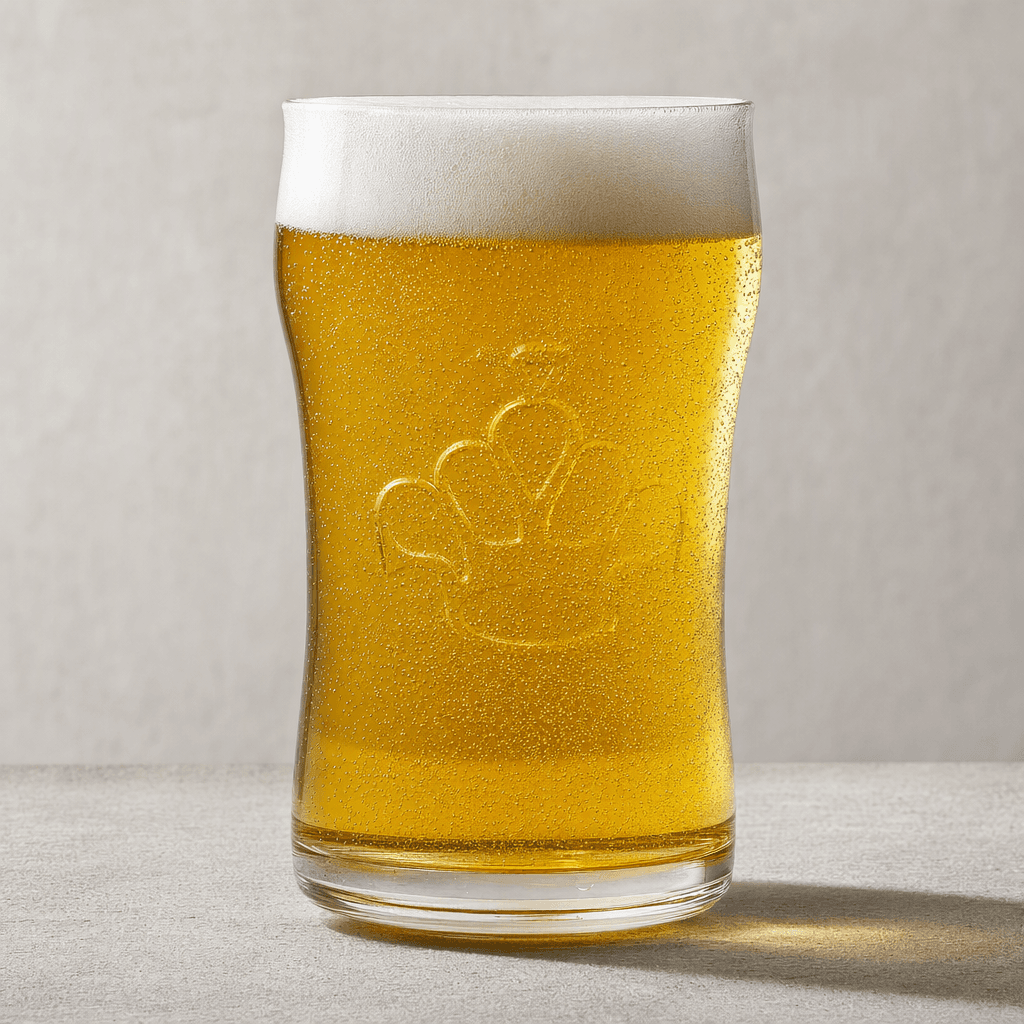
Carlsberg Beer (33cl) Calories
Globally popular lager beer, low in vitamins and minerals
In season: Spring · Summer · Autumn · Winter
CALORIES · 100 G
GI
POTASSIUM · 100 G
FIBER · 100 G
Quick answer
1 bottle (medium) of Carlsberg Beer (33cl) (330 g) has 132 calories. That works out to 40 calories per 100 g. It contains 9.9 g of carbs, 1.3 g of protein, 0 g of fat and 0 g of fiber. Its 0.1 mg of B2 covers 5% of the Daily Value. Its glycemic index is 110 (high), so it raises blood sugar quickly.
Carlsberg Beer (33cl) Nutrition Facts
Selected: 1 bottle (medium) · 330 g
132
KCAL / 330G
Carbs
9.9g
· 4% DV
Protein
1.3g
· 3% DV
Fat
0g
· 0% DV
Fiber
0g
· 0% DV
DV is the share of the daily value covered, on a 2,000 kcal reference diet.
Calories come from: Carbs 88% · Protein 12% · Fat 0%
Carlsberg Beer (33cl) nutrition facts table · 1 bottle (medium) (330 g)
| Nutrient | Amount | % DV |
|---|---|---|
| Calories | 132 kcal | |
| Total fat | 0 g | 0% |
| Saturated fat | 0 g | 0% |
| Trans fat | 0 g | |
| Sodium | 17 mg | 1% |
| Total carbohydrate | 9.9 g | 4% |
| Fiber | 0 g | 0% |
| Protein | 1.3 g | 3% |
Calories: Calories measure energy. Average daily need is 2,000 kcal. Excess calories are stored as fat, too few cause weight loss.
Carbs: Your body's primary energy source. The brain runs exclusively on carbs. Daily need: 275g.
Protein: Essential for muscle repair and cell growth. Daily need: 50g. Keeps you full and boosts metabolism.
Fat: Needed for hormone production and vitamin absorption. Daily need: 78g. Limit saturated fats, choose unsaturated.
Fiber: Critical for digestive health and satiety. Daily need: 28g. Stabilizes blood sugar, lowers cholesterol.

Log this food in EatBetter
100,000+ people use it
- Get your daily calorie target
- Snap your meal, log it in seconds
- See every vitamin and mineral

📸 Scan the code to get the app free.

How Many Calories in 1 Bottle of Carlsberg Beer (33cl)?
| Serving | Amount | Calories |
|---|---|---|
| 1 bottle (medium) | 330 g | 132 kcal |
| 100 g | 100 g | 40 kcal |
| 1 cup (small) | 100 g | 40 kcal |
| 1 bottle (small) | 150 g | 60 kcal |
| 1 cup (medium) | 250 g | 100 kcal |
| 1 can (medium) | 330 g | 132 kcal |
| 1 bottle (large) | 500 g | 200 kcal |
| 1 can (large) | 500 g | 200 kcal |
| 1 bottle (jumbo) | 660 g | 264 kcal |
Calculated from 40 calories per 100 g.
Frequently Asked Questions About Carlsberg Beer (33cl)
Where is Carlsberg Beer from?
Carlsberg is a Danish beer brand, founded in Copenhagen. A bottle sold today may be brewed in another country, so check its packaging if you want to know where that particular Carlsberg Beer was made.
What kind of beer is Carlsberg Beer?
Carlsberg Beer is a pale lager, commonly described as a Danish pilsner-style beer. Lager is fermented and conditioned differently from ales, giving Carlsberg its generally crisp, clean-drinking profile.
What is the alcohol percentage of Carlsberg Beer?
The alcohol percentage of Carlsberg Beer can vary by product and market. Check the ABV printed on your bottle or can rather than assuming every Carlsberg beer has the same strength.
What does Carlsberg Beer taste like?
Carlsberg Beer is generally crisp and light-bodied, with a mild malt character and a noticeable but restrained hop bitterness. The exact taste can differ across Carlsberg varieties and is easier to appreciate when served chilled, not frozen.
Is Carlsberg Beer a pilsner or a lager?
Carlsberg Beer is a lager in the pilsner style. Pilsner is a type of pale lager, so calling it both a lager and a pilsner-style beer is not a contradiction.
How should you serve Carlsberg Beer?
Serve Carlsberg Beer chilled in a clean glass to bring out its refreshing character and allow a head of foam to form. Avoid freezing it, which can mute the aroma and may cause a glass bottle to crack.
How long does Carlsberg Beer last after opening?
Carlsberg Beer is best drunk soon after opening, while it is still fizzy. If you need to keep some, seal it and refrigerate it, but expect the carbonation and fresh taste to fade.
How should you store unopened Carlsberg Beer?
Store unopened Carlsberg Beer in a cool, dry place away from direct sunlight and heat. Light and warmth can damage beer’s flavour; follow the date on the packaging and refrigerate it before serving.
Does Carlsberg Beer make you sleepy?
Carlsberg Beer may make you feel drowsy at first, but alcohol can disrupt sleep later in the night and reduce sleep quality. Drinking it close to bedtime is more likely to leave sleep less refreshing.
Can you drink Carlsberg Beer and drive?
No—do not drive after drinking Carlsberg Beer. Alcohol can impair reaction time and judgment, and how quickly it affects you varies; arrange a sober ride instead of relying on how you feel.
Carlsberg Beer (33cl) Vitamins & Minerals
Vitamins
B2
0.07mg · 5% DV
B1
0.03mg · 3% DV
B3
0.33mg · 2% DV
B6
0.03mg · 2% DV
Minerals
Phosphorus
26mg · 4% DV
Copper
0.03mg · 3% DV
Potassium ⭐
66mg · 2% DV
Magnesium
6.6mg · 2% DV
Sodium
17mg · 1% DV
Carlsberg Beer (33cl) Glycemic Index
GLYCEMIC INDEX
GLYCEMIC LOAD
Accounts for portion size — a more realistic measure than GI alone.
How to Burn Off Carlsberg Beer (33cl)
To burn the 132 calories in 1 bottle (medium) (330 g):
🚶
Walking (5 km/h)
🏃
Running (8 km/h)
🚴
Cycling
🏊
Swimming
Times are calculated with the MET equation for a 70 kg adult. Actual burn varies with your weight, age and pace.
What is Carlsberg Beer (33cl)?
Carlsberg Beer (33cl) is a Danish pale lager, brewed from malted grains and hops. Its light-bodied, crisp style is made for easy drinking, with a gentle bitterness and lively carbonation.
It is usually served chilled, whether alongside a meal or at a casual gathering. In Denmark it is a familiar choice with everyday food; elsewhere, it pairs readily with grilled dishes, salty snacks and simple pub fare. Beer contributes little in the way of vitamins or minerals, and this one provides 40 calories per 100 g. Serve it cold with a lighter plate, such as grilled vegetables or salad, if you want the food to remain the focus.
How Nutritious Is Carlsberg Beer (33cl)?
Nutrient density
Low
How many vitamins, minerals and how much fiber this food carries per calorie. A high score means a lot of nutrition for few calories.
Satiety score
Medium
An EatBetter score computed from fiber, protein and calorie density. A high score means staying full longer on the same calories.
Both scores are calculated per 100 g and do not change with the selected portion. The satiety score is EatBetter's own calculation, not a clinical measure.
Is Carlsberg Beer (33cl) Processed?
NOVA 3
Processed
1. Unprocessed
2. Minimally Processed
3. Processed
4. Ultra-Processed
NOVA classifies foods into 4 groups by industrial processing. NOVA 1 (unprocessed) is the healthiest.
Does Carlsberg Beer (33cl) Contain Allergens?
No known major allergens
Which Diets Is Carlsberg Beer (33cl) Good For?
Vegan
✓ Suitable
Vegetarian
✓ Suitable
Gluten-Free
— Not suitable
Dairy-Free
— Not suitable
Mediterranean
— Not suitable
Paleo
— Not suitable
Whole30
— Not suitable
DASH
— Not suitable
Keto
— Not suitable
Low FODMAP
— Not suitable
Carlsberg Beer (33cl) Fat Profile
SATURATED
0g
MONOUNSATURATED
0g
POLYUNSATURATED
0g
Compare Carlsberg Beer (33cl)
Foods Similar to Carlsberg Beer (33cl)
Have another question about Carlsberg Beer (33cl)?
Ask the AI nutrition coach — calories, portions, alternatives and more, answered in seconds in the app.

Scan calories with your camera
Instant AI nutrition analysis

Nutrition data compiled from USDA FoodData Central and scientific sources.