

Ready & Packaged Foods
All →Vegetables & Legumes
All →Desserts & Confectionery
All →Meat & Protein
All →Grains & Bakery
All →Beverages
All →Milk & Dairy
All →

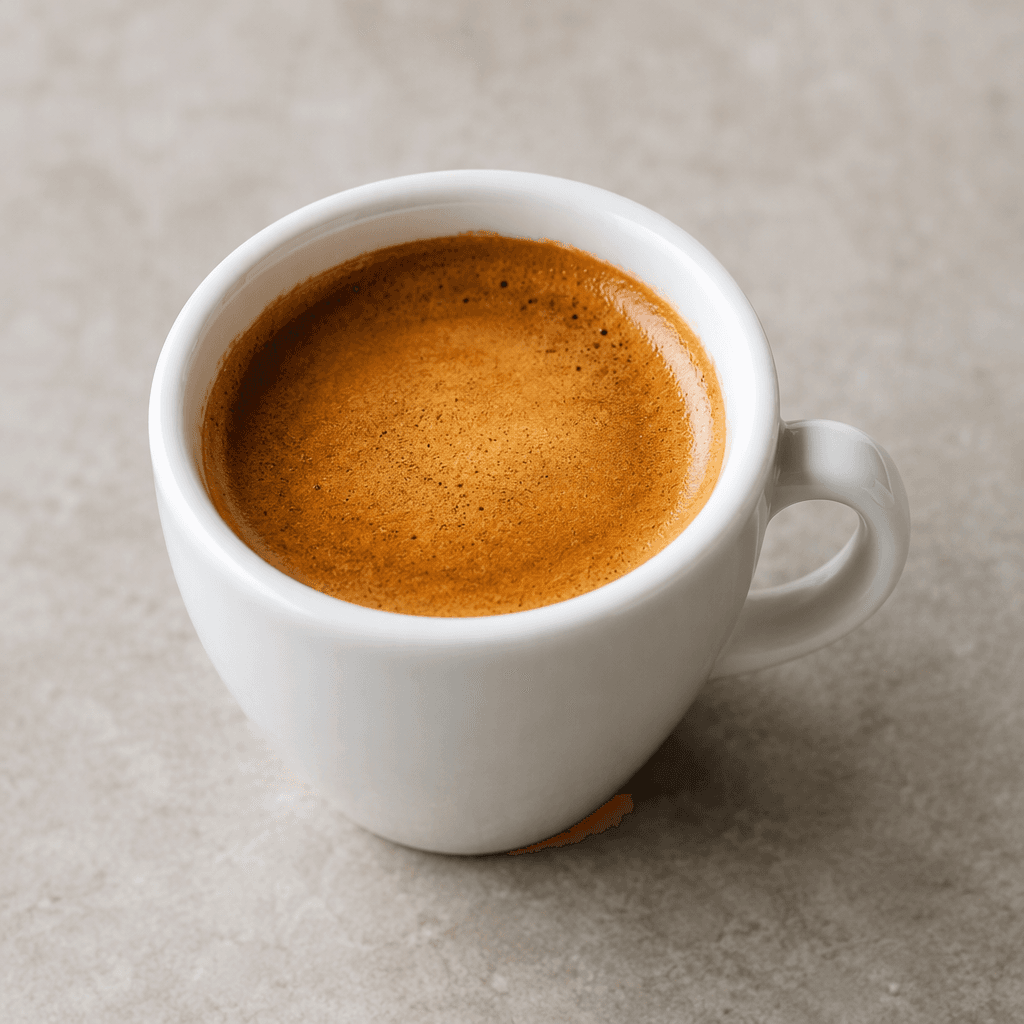
Capsule coffee Calories
Convenient, quick brewing, rich aroma
In season: Spring · Summer · Autumn · Winter
CALORIES
GI
POTASSIUM
FIBER
Quick answer
1 piece (medium) of Capsule coffee (6 g) has 0 calories. That works out to 2 calories per 100 g. It contains 0 g of carbs, 0 g of protein, 0 g of fat and 0 g of fiber. Its glycemic index is 0 (low), so it raises blood sugar slowly.
What is Capsule coffee?
Capsule coffee is brewed by forcing hot water through a pre-portioned capsule of ground coffee in a compatible machine. It offers a quick cup with little measuring or cleanup, while the roast, blend and machine settings shape its strength and aroma.
It is often served as a short, espresso-style drink, though some machines make a longer cup. Around the world, people drink it at breakfast, during a work break or after a meal; it can be enjoyed black or softened with milk. Plain capsule coffee contributes very little energy, so most of the extra calories come from additions. For a lighter cup, skip sweetened syrups and add only as much milk as you like.
Capsule coffee Nutrition Facts
Selected: 100 g
2
KCAL / 100G
Carbs
0.1g
· 0% DV
Protein
0.3g
· 1% DV
Fat
0.1g
· 0% DV
Fiber
0g
· 0% DV
DV is the share of the daily value covered, on a 2,000 kcal reference diet.
Calories come from: Carbs 16% · Protein 48% · Fat 36%
Capsule coffee Vitamins & Minerals
Vitamins
B2
0.15mg · 12% DV
B3
0.5mg · 3% DV
B1
0.01mg · 1% DV
B5
0.03mg · 1% DV
Minerals
Magnesium
3mg · 1% DV
Phosphorus
7mg · 1% DV
Potassium ⭐
50mg · 1% DV
Calcium
2mg · 0% DV
How Nutritious Is Capsule coffee?
Nutrient density
Low
How many vitamins, minerals and how much fiber this food carries per calorie. A high score means a lot of nutrition for few calories.
Satiety score
Medium
An EatBetter score computed from fiber, protein and calorie density. A high score means staying full longer on the same calories.
Both scores are calculated per 100 g and do not change with the selected portion. The satiety score is EatBetter's own calculation, not a clinical measure.
Capsule coffee Glycemic Index
GLYCEMIC INDEX
GLYCEMIC LOAD
Accounts for portion size — a more realistic measure than GI alone.
How to Burn Off Capsule coffee
To burn the 2 calories in 100 g:
🚶
Walking (5 km/h)
🏃
Running (8 km/h)
🚴
Cycling
🏊
Swimming
Times are calculated with the MET equation for a 70 kg adult. Actual burn varies with your weight, age and pace.
Is Capsule coffee Processed?
NOVA 3
Processed
1. Unprocessed
2. Minimally Processed
3. Processed
4. Ultra-Processed
NOVA classifies foods into 4 groups by industrial processing. NOVA 1 (unprocessed) is the healthiest.
Does Capsule coffee Contain Allergens?
No known major allergens
Which Diets Is Capsule coffee Good For?
Vegan
✓ Suitable
Vegetarian
✓ Suitable
Gluten-Free
✓ Suitable
Dairy-Free
— Not suitable
Mediterranean
✓ Suitable
Paleo
✓ Suitable
Whole30
— Not suitable
DASH
— Not suitable
Keto
✓ Suitable
Low FODMAP
— Not suitable
Capsule coffee Fat Profile
SATURATED
0.01g
MONOUNSATURATED
0.03g
POLYUNSATURATED
0.01g
Compare Capsule coffee
Foods Similar to Capsule coffee
Frequently Asked Questions About Capsule coffee
How do you make capsule coffee?
You make capsule coffee by placing a compatible capsule in the machine and starting the brew. Add water to the reservoir, put a cup beneath the spout, and choose a drink size suited to the capsule.
Are capsule coffee pods compatible with every machine?
No, capsule coffee pods are not universal. Their shape and brewing system must match the machine, so check the pod’s stated compatibility with your machine’s make and model before buying.
How much caffeine is in capsule coffee?
The caffeine in capsule coffee varies with the coffee blend, capsule contents, and serving size. Different capsules used in the same machine can deliver different amounts, so the capsule’s product information is the best guide.
Can capsule coffee pods be recycled?
Some capsule coffee pods can be recycled, but it depends on their material and your local collection system. Check whether the maker offers a take-back program or whether local facilities accept the pods before putting them in household recycling.
Can you reuse a capsule coffee pod?
Usually not: a single-use capsule coffee pod produces a weaker, watery brew when used again. Refillable pods are available for some machines, but they must be designed to fit your particular brewing system.
How should capsule coffee pods be stored?
Store capsule coffee pods in a cool, dry place away from direct sunlight. Keeping the packaging intact helps preserve the aroma; use any pod with damaged packaging promptly rather than storing it for later.
Can you make capsule coffee without a machine?
Yes, but you need to remove the coffee from the capsule and brew it using another method. Pouring hot water through a pierced capsule is unreliable and can cause hot water to spray or spill.
Does capsule coffee taste different from instant coffee?
Yes, capsule coffee usually has a different taste and aroma from instant coffee. A machine brews ground coffee under pressure, while instant coffee is made from brewed coffee that has been dried.
Why does capsule coffee taste watery?
Capsule coffee can taste watery if too much water is run through the capsule or the pod is not seated correctly. Choose a shorter brew size and check that the capsule fits properly in the machine.
Can you make iced coffee with capsule coffee?
Yes, capsule coffee works for iced coffee. Brew it directly over ice or let it cool before adding ice; cooling it first helps prevent the melting ice from diluting the drink as quickly.
Have another question about Capsule coffee?
Ask the AI nutrition coach — calories, portions, alternatives and more, answered in seconds in the app.

Scan calories with your camera
Instant AI nutrition analysis

Nutrition data compiled from USDA FoodData Central and scientific sources.